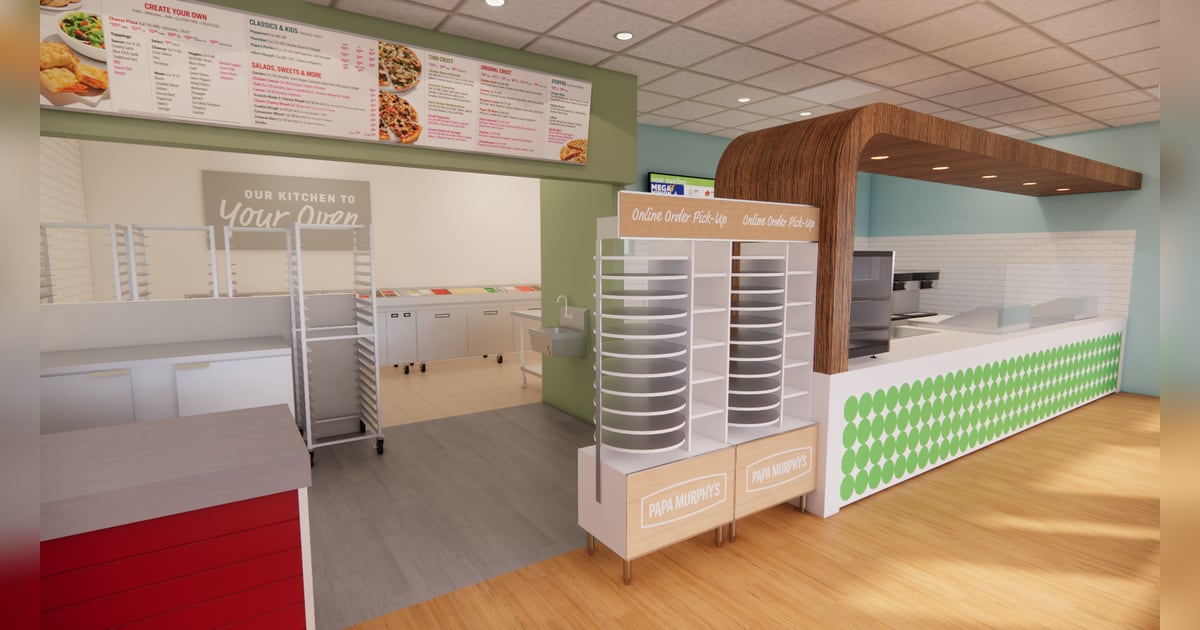
Papa Murphy's has signed three franchise agreements to bring its co-brand concept pairing Take 'n' Bake pizza with Pinkberry premium frozen yogurt to new markets, the company announced.
New Locations Drive Co-Brand Strategy The three deals span multiple states.
Joshua and Samantha Kimzey will open their first co-branded location in Sunriver, Oregon, with an anticipated opening in early November. Existing franchisee John Perea will add a Pinkberry to his Papa Murphy's restaurant in Santa Fe, New Mexico, which he has owned since 2010. Casey Kauer, who operates five Papa Murphy's locations in Utah, is also expanding with a new co-branded restaurant in West Haven, Utah, scheduled to open in summer 2027.
Operational Synergies Drive Model The co-brand model combines shared real estate, labor, and operational efficiencies to provide franchisees with multiple revenue streams. Papa Murphy's is the nation's largest Take 'n' Bake pizza brand, while Pinkberry offers premium frozen yogurt and toppings. "The early responses to our co-brand concept reinforce the strength of these brands individually and the even greater potential they have together," said Ray Zandi, vice president of U.S. development at MTY Food Group. "By combining Papa Murphy's and Pinkberry, or sweetFrog or some of the other less labor-intensive concepts, we're creating a differentiated concept that gives owners greater flexibility while delivering a convenient, high-quality experience for guests. These brands in particular pair well together and also offset each other seasonally, which will greatly assist in growth and a faster ROI in the future for candidates that wish to explore co-brands as ways to develop new stores with either brand."
Franchisee Perspective John Perea highlighted the appeal of year-round revenue potential. "The seasonality of both brands is what made this opportunity stand out to us, since pairing them together creates a business that can gainfully employ eight to 10 team members and thrive all year long," Perea said. "Signing this development agreement gave us real confidence in the future of these two brands, because the co-branding model creates a sustainable path to growth. We couldn't be more excited to bring great products and great service to our community, every season of the year." Joshua Kimzey added that the dual concept serves multiple dayparts and customer needs. "There are the obvious financial benefits, like shared overhead costs and the ability to cross-train employees, but just as valuable is being able to offer something for everyone, at any time of the day. It really becomes a destination. Whether it's kids asking their parents for soft serve, parents solving the 'what's for dinner' dilemma, families picking up food for company, or grabbing a few quarts of soft serve to go with cookie dough - there's something for everyone."
Why It Matters
The co-brand model addresses two key operator concerns: rising labor costs and seasonal revenue volatility. By combining complementary dayparts and product categories under one roof, franchisees can maximize asset utilization and reduce per-unit overhead—a strategy gaining traction across multi-concept operators as unit economics tighten.
For more insights and trends in the food and beverage sector, check out more articles in The Food & Beverage Magazine family of publications.
Written by FBM Publications Editors