Zuma has opened its first location in Mexico at Cabo Del Sol in Cabo San Lucas, expanding the Japanese dining concept into a new market after two and a half decades of international growth. The restaurant, situated within Anima Village, a luxury retail and dining destination, brings Zuma's contemporary izakaya-style service to Baja California's coastal hospitality sector. The opening follows recent debuts in San Diego and Vail, signaling accelerated North American expansion for the Azumi Restaurant Group–owned brand.
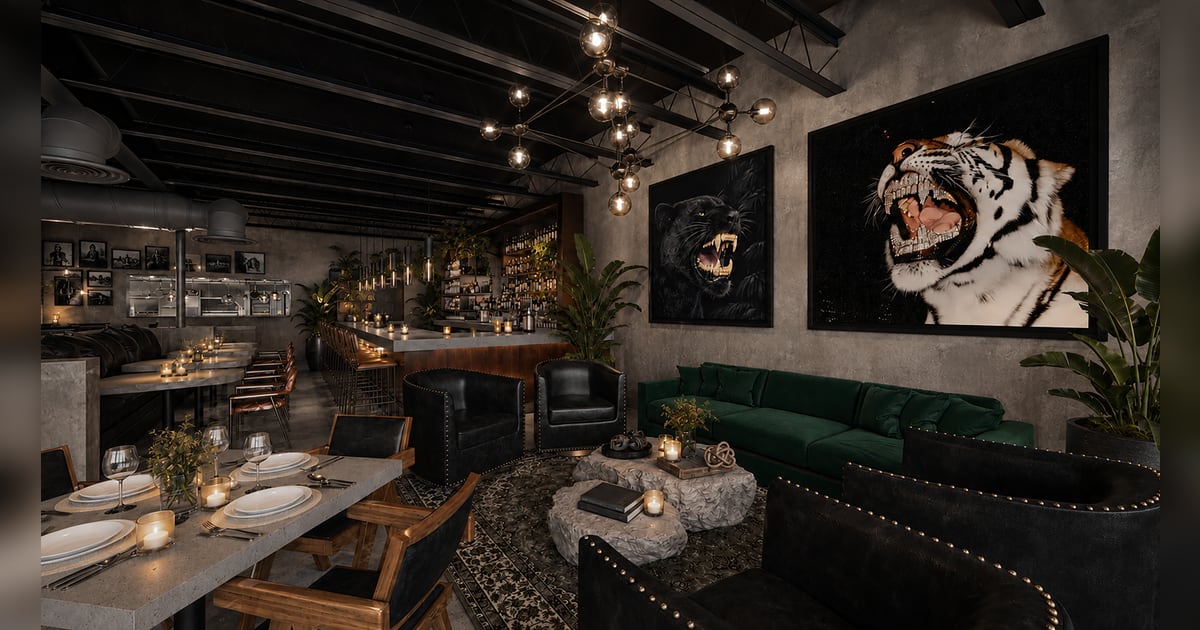
Design and Setting Zuma Cabo occupies a significant footprint with capacity for up to 400 standing guests or 200 seated, plus dedicated event space. The property features expansive indoor-outdoor dining, open-air terraces, and views of the ocean and surrounding mountains. Zuma's in-house design team developed the space around what the company calls "barefoot luxury," incorporating Japanese and Mexican design traditions. Materials include locally sourced tropical teak and Parota wood, hand-carved mango wood totems by Tokali, ceramic pillars by Maria Pizarro, and a four-meter natural tree trunk forming the DJ counter. Native flora, including Baja California's Torote trees, anchor the landscaping.
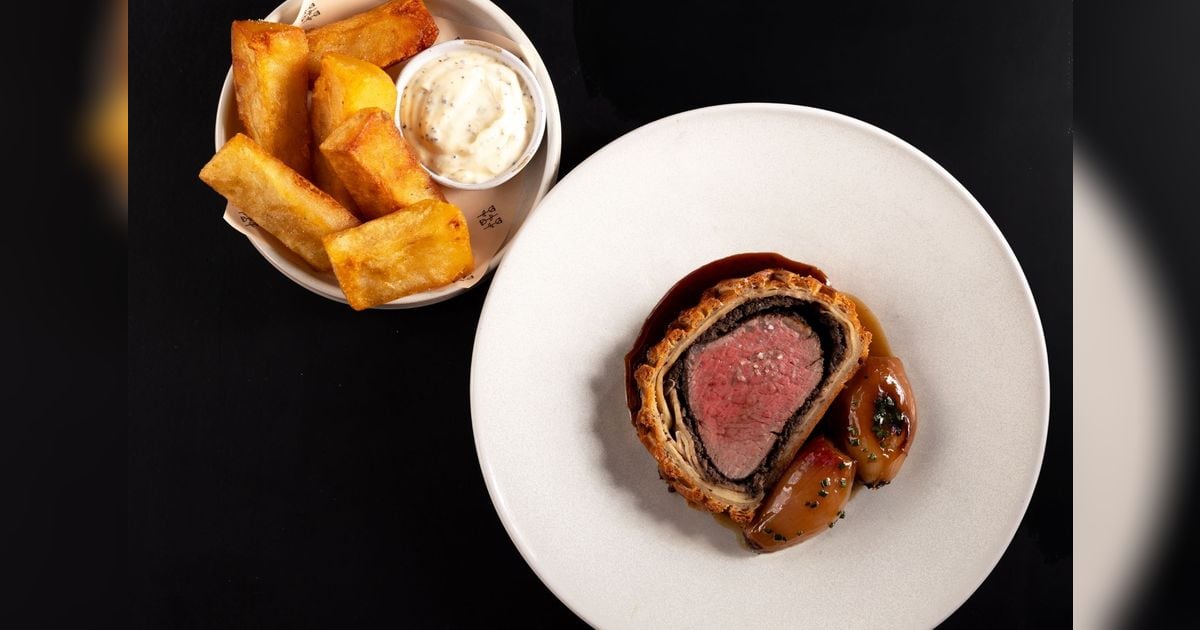
Menu Zuma creator and co-founder Rainer Becker directed the menu, which features signature small plates intended for sharing. Signature offerings include gin-dara no saikyo yaki (marinated black cod wrapped in hoba leaf), Arjun's chu-toro maki (prime tuna with finely diced spring onion and Oscietra caviar), and yaki taraba gani (Norwegian king crab with ponzu). Cabo-exclusive dishes draw on regional ingredients and coastal flavors: Lobster Shimofuri with shiso chilli dashi and crispy ginger; Crispy Nori Grouper with tomato jalapeño relish, baby gem and wasabi mayo; and Robata Corn and Milk Caramel Flan with husk chantilly, mochi and miso sablé.
Global Portfolio Context Zuma was co-founded by Rainer Becker and Arjun Waney in 2002.
The original London location remains operational. The brand now operates in Hong Kong, Dubai, Istanbul, Miami, Bangkok, Abu Dhabi, New York, Rome, Las Vegas, Boston, Madrid, Maldives, Cannes, Riyadh, Vail, and San Diego. The group also runs seasonal and pop-up venues in destinations including Mykonos, Ibiza, Bodrum, and Capri. "Opening our first Zuma in Mexico marks an exciting milestone for us, particularly as we continue to introduce the brand to new destinations and audiences," said Sven Koch, Chief Executive Officer of Azumi Restaurant Group. "While every Zuma has its own distinct character, our ethos has always been rooted in exceptional food, warm hospitality and creating an atmosphere that brings people together. Cabo offers an incredible setting for us to build on that philosophy, embracing the destination's energetic lifestyle and striking natural landscape, while delivering the dining experience that has become synonymous with Zuma worldwide."
Why It Matters
Zuma's Mexico entry reflects the durability of the contemporary Japanese dining category in luxury hospitality markets and accelerating expansion into affluent North American destinations. The Cabo location signals confidence in resort-adjacent fine dining and the Mexican market's capacity to support premium international concepts.
For more insights and trends in the food and beverage sector, check out more articles in The Food & Beverage Magazine family of publications.
Written by FBM Publications Editors
Frequently Asked Questions
How big is the Zuma Cabo space, and what's the revenue potential?
The location seats 200 guests or accommodates 400 standing, plus dedicated event space—substantially larger than Zuma's typical urban footprint. Azumi Restaurant Group is betting on Cabo's high-volume tourist base and luxury resort clientele to drive per-cover checks well above Zuma's $80-120 average in other markets.
This is Zuma's first Mexico location after 25 years. Why Cabo, why now?
Rainer Becker and Azumi are capitalizing on Cabo's $10+ billion annual tourism spend and the Anima Village luxury retail development as an anchor tenant. The timing follows successful North American debuts in San Diego and Vail, signaling confidence in premium Japanese dining outside major metro cores.
What makes the menu different from Zuma's other locations?
While Becker preserved signature plates like gin-dara no saikyo yaki and Arjun's chu-toro maki, Cabo exclusives leverage regional ingredients—lobster shimofuri with shiso chilli dashi, crispy nori grouper with tomato jalapeño relish, and coastal-forward preparations. It's market-specific without abandoning the core izakaya concept.
What's the design strategy, and will it cost operators more to replicate?
Zuma's in-house team blended "barefoot luxury" using locally sourced tropical teak, hand-carved mango totems by Tokali, ceramics by Maria Pizarro, and Baja's native Torote trees. The locally-sourced material approach reduces logistics costs compared to importing finishes, but the custom artist collaborations and four-meter tree trunk DJ counter signal this is a flagship investment, not a template for volume rollouts.
How does this fit Azumi's broader expansion strategy?
Azumi is aggressively moving Zuma beyond London and Tokyo into secondary North American markets—San Diego, Vail, now Cabo. This suggests they're pursuing destination-driven, resort-adjacent locations with high tourist spend and affluent demographics rather than fighting for table share in NYC or LA.