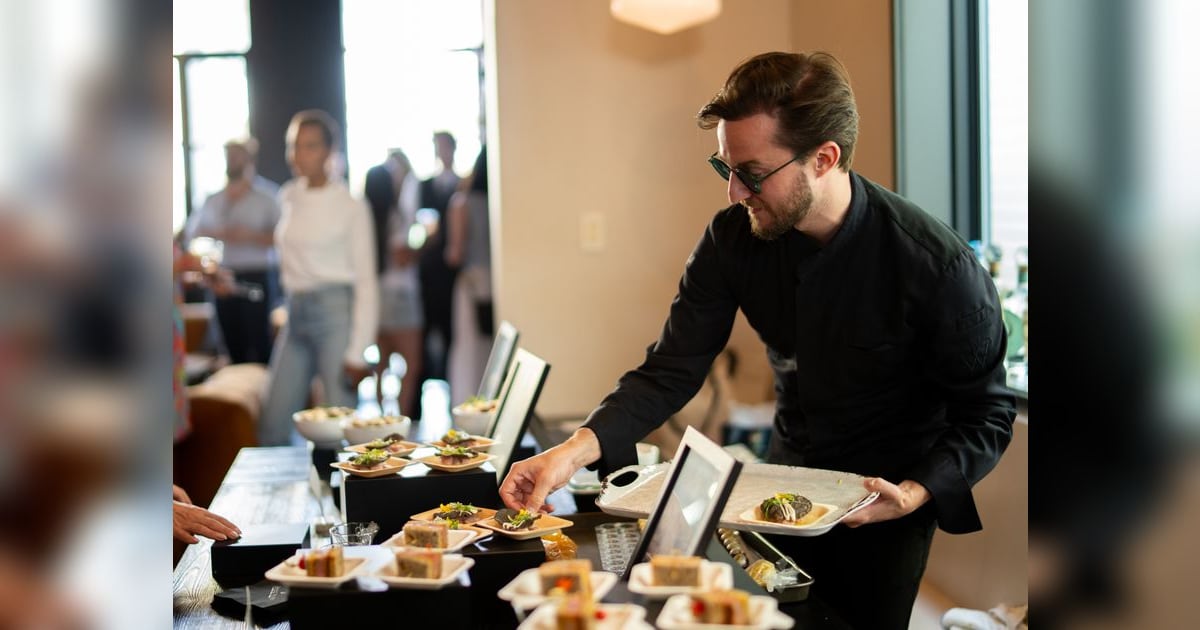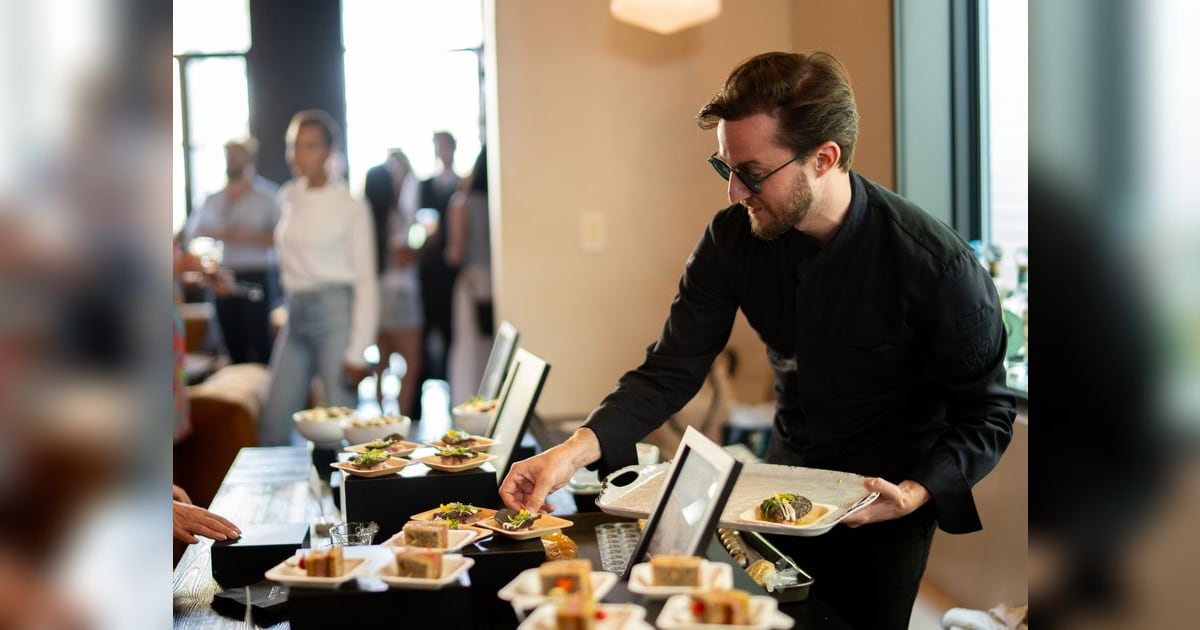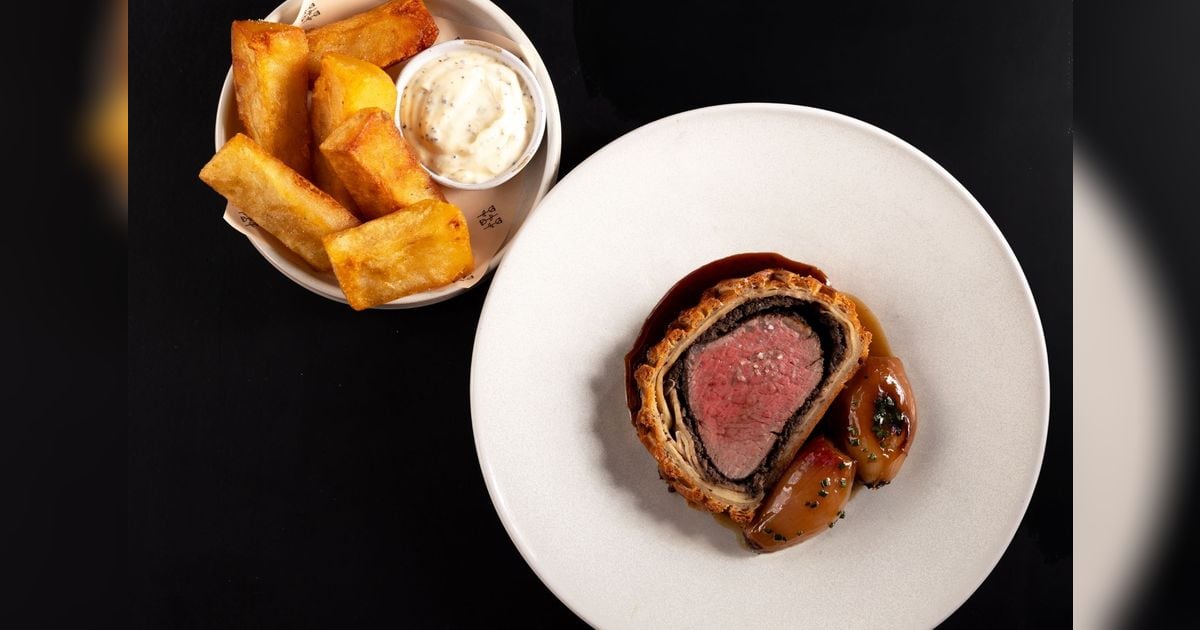
The Noortwyck is reviving its Wine & Wellington Sunday dinner service, centering on Chef Andrew Quinn's interpretation of Beef Wellington. Available every Sunday at dinner, the offering pairs the British comfort-food centerpiece with wine selections at $10, $20, and $30 per glass. Quinn drew inspiration for the dish from his childhood in England. "Wine & Wellington features wine pairings priced at $10, $20, and $30 per glass," according to the restaurant's announcement. The West Village establishment positions the Sunday offering as an extended weekend meal—a gathering spot to settle in with friends over wine and stretch out the final hours before the work week resumes. The timing aligns with colder months, when diners typically seek warmer, more indulgent fare.
Why It Matters
Fixed-price wine-and-dinner packages remain an effective strategy for independent restaurants to drive consistent Sunday traffic and boost per-check averages during a traditionally slower service period.
For more insights and trends in the food and beverage sector, check out more articles in The Food & Beverage Magazine family of publications.
Written by FBM Publications Editors
Frequently Asked Questions
What's the pricing structure for the Wine & Wellington service?
The Noortwyck offers tiered wine pairings at $10, $20, and $30 per glass to accompany Chef Andrew Quinn's Beef Wellington. This three-tier approach lets you capture different check averages—budget-conscious diners, mid-range spenders, and premium customers—all in one service.
How does this service drive Sunday revenue for independent restaurants?
Sunday dinner is historically soft; fixed-price wine-and-food packages anchor traffic and lock in per-check averages. The Noortwyck's strategy targets the 6-10 p.m. window when diners linger longer, extending the tab and filling seats that would otherwise sit empty before the Monday rush.
Why is timing this for colder months smart?
Beef Wellington and wine service naturally align with Q4 and winter demand—diners actively seek rich, indulgent plates when temperatures drop. The Noortwyck is capitalizing on seasonal preference patterns, not fighting them.
What's the chef's angle on this dish?
Chef Andrew Quinn is drawing on his English childhood to shape the interpretation, giving the restaurant a clear narrative to market. This isn't generic beef Wellington; it's positioned as personal and authentic, which justifies premium pricing and differentiates from competitors running commodity specials.
How should operators adapt this model to their own operations?
Lock in a service window, anchor it to one signature dish that hits your concept, and build three wine tiers to segment spending. The key is consistency—every Sunday, same dish, same price points—so your regular customers plan around it and staffing stays predictable.