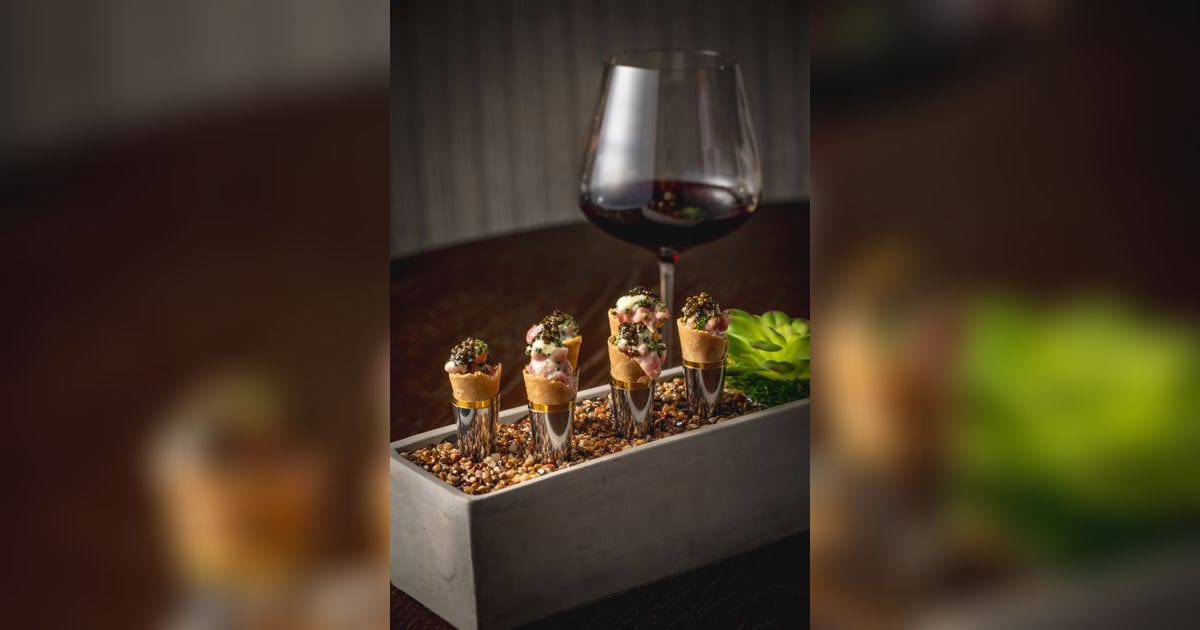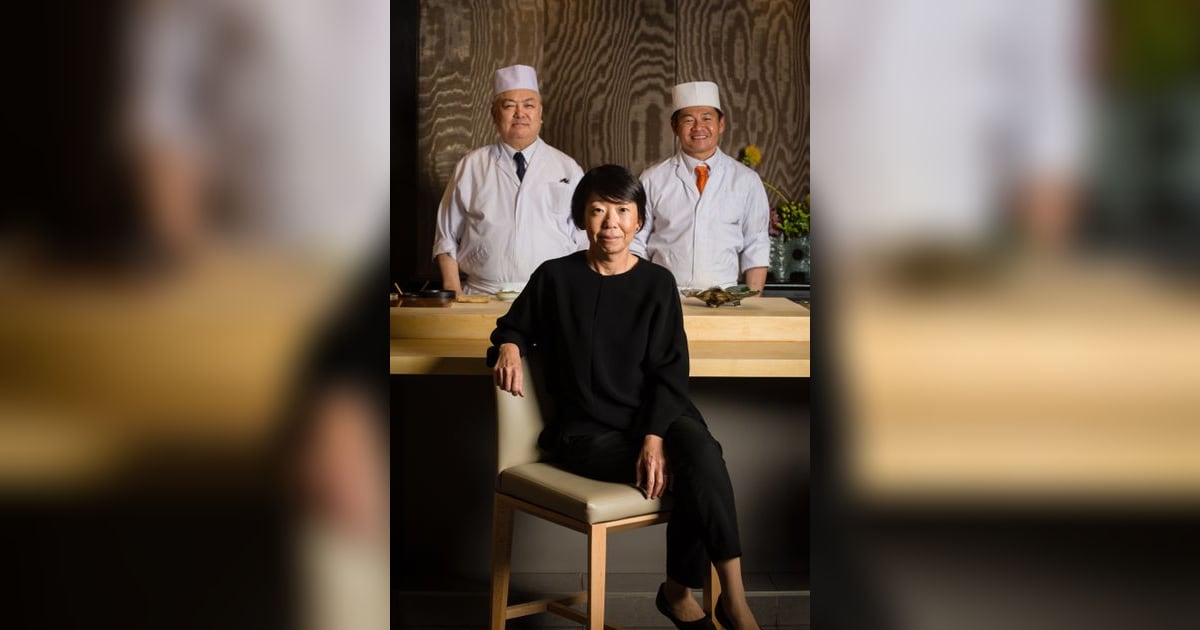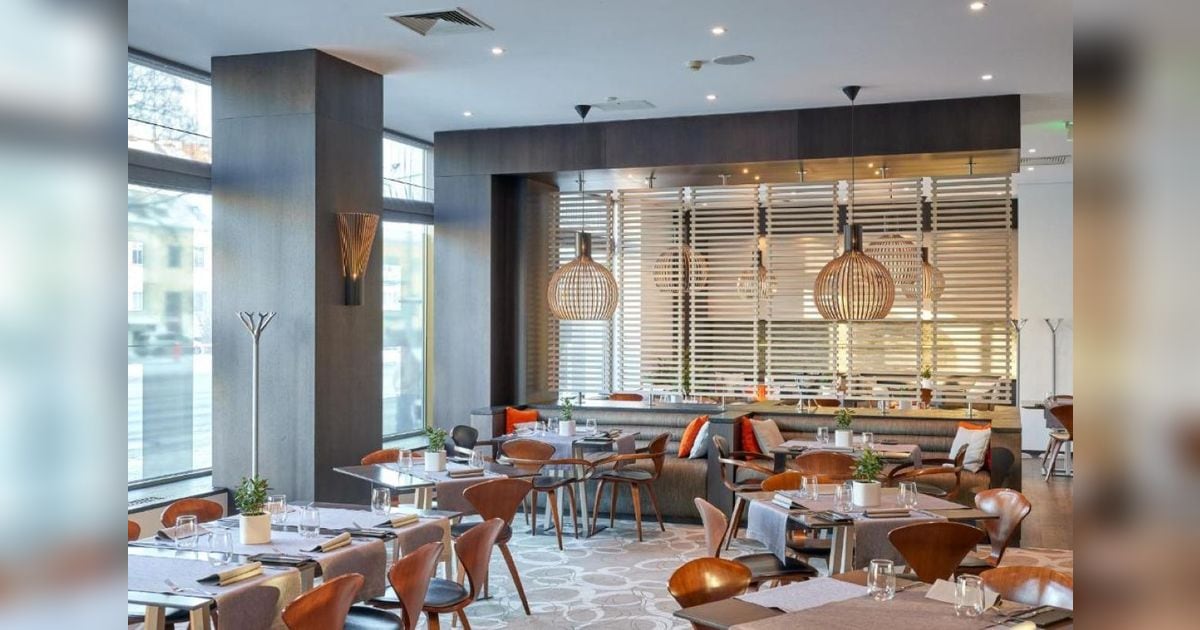
Vilnius Emerges as Baltic Food Destination Vilnius is establishing itself as one of the Baltics' most interesting food destinations, combining deeply rooted Lithuanian flavours with contemporary techniques. The city's culinary momentum has accelerated sharply: the number of Michelin-recognised restaurants grew from 34 in 2024 to 43 in 2025. On November 9–15, more than 50 restaurants across Vilnius will participate in the 16th Lithuanian Gastronomy Week, offering special tasting menus at €40, €50, and €60. The event, themed "Flavours Bring Us Together," will feature 20 Michelin-recognized restaurants, including two Michelin-starred establishments: Deep Roots and Džiaugsmas. Deep Roots exemplifies the scene's momentum, earning its first Michelin Star just two months after opening. Chef Andrius Kubilius draws on childhood memories and family recipes, sourcing many ingredients from the restaurant's own farm.
Per-Capita Concentration Rivals Major European Cities For a city of just over 600,000 people, Vilnius has a notably high concentration of Michelin Guide-recognised restaurants—higher per capita than Berlin or London. The city currently holds three Michelin Stars and six Bib Gourmands, the latter recognising restaurants that combine good cooking with particularly good value. Eglė Ližaitytė, Director of the Lithuanian Hotel and Restaurant Association, said: "Vilnius' food scene is growing well beyond fine dining. Cafés and bakeries are thriving, and there is a new wave of cocktail and wine bars. What's exciting is that the best restaurants are not simply following global trends – they are looking closer to home, drawing on family recipes, personal stories and local produce." Examples include a 16th-century recipe at Lokys pairing venison with mushrooms and hazelnuts, wild boar with porcini and caramelised plums, and yeast doughnuts with kefir butter and yuzu glaze at bistro n.2.
Traditional Ingredients Reworked Lithuanian staples are being reimagined through contemporary preparation.
Black rye bread appears as rye bread ice cream, rye brioche and sourdough pudding, while the traditional tree cake šakotis is paired with Japanese miso, bringing salty umami notes to the classic sweet dessert. The attention is expanding beyond Michelin; Falstaff recently highlighted Lithuania's culinary potential, and the country's national team made its debut at Bocuse d'Or Europe in Marseille. Vilnius is also hosting the Baltic Gastro Summit and attracting recognition from Gault&Millau. Authentic Baltic cuisine emphasises rye, mushrooms, berries, game, and root vegetables. At Protėviai, Lithuanian meat is cooked over open fire, reviving ancestral cooking traditions. At Stiklių Taverna, venison sausages are served with juniper sauce, braised red cabbage and roast potatoes. The city's enthusiasm for traditional dishes extends beyond restaurants. The Vilnius Pink Soup Fest, celebrating šaltibarščiai (bright-pink cold beetroot soup), drew more than 176,000 visits in spring 2026, including around 34,000 international visitors. The next edition takes place May 28–30, 2027.
Why It Matters
For operators and hospitality professionals, Vilnius demonstrates how a smaller city can compete with European dining capitals by prioritizing local ingredients, cultural authenticity, and value-driven fine dining. The gastronomy week model—offering sub-€50 tasting menus at top-tier restaurants—proves commercially viable and aligns with traveler demand: 69% of UK consumers and 79% of US domestic travelers seek local cuisine experiences when traveling.
For more insights and trends in the food and beverage sector, check out more articles in The Food & Beverage Magazine family of publications.
Written by FBM Publications Editors