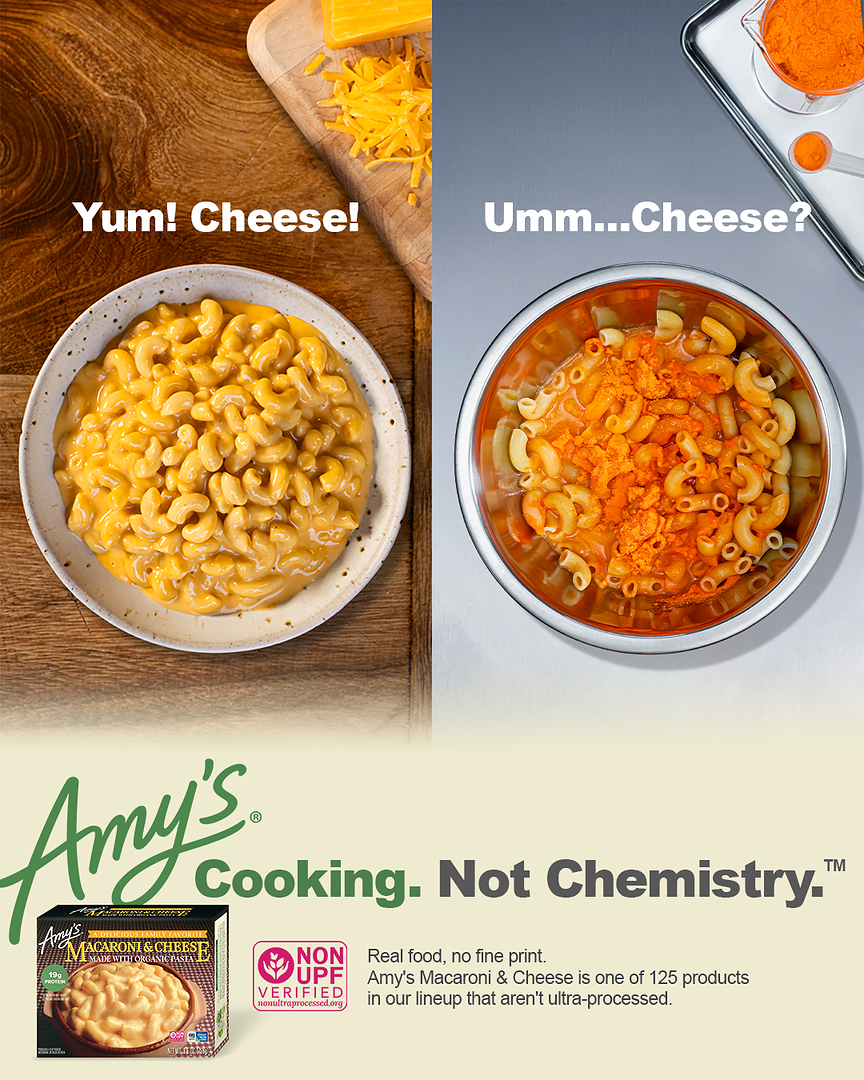
A diet heavy in ultra-processed foods (UPFs) carries an estimated $359,836 in additional lifetime costs per person compared with a low-UPF diet, according to a first-of-its-kind economic analysis conducted by health economist Lindsay Allen, PhD, of Proven Policy and commissioned by organic food company Amy's Kitchen.
The figure encompasses increased medical expenses, lost earnings, long-term care costs, and the economic value attributed to roughly ten months of shorter life expectancy — the largest single component at an estimated $338,419. The remaining $21,417 reflects direct health-related costs, with type 2 diabetes alone accounting for 76% of that subtotal. Allen based the model on five conditions with the strongest available evidence linking them to high UPF consumption: type 2 diabetes, heart disease, colorectal cancer, depression, and Crohn's disease, deliberately excluding outcomes where evidence was less conclusive. A simulation rerun 1,000 times under varying assumptions kept the estimate above $200,000 in 98% of runs.
What the Numbers Mean
For foodservice and hospitality operators, the analysis adds economic weight to a conversation that has largely centered on nutrition labels and ingredient lists. As restaurant and foodservice menu transparency becomes an increasing priority for guests — particularly in healthcare, corporate dining, and fast-casual segments — research that quantifies downstream costs rather than just calorie counts gives operators a new framework for communicating menu quality. "People talk a lot about what it costs to eat well. Far less attention goes to what a diet high in ultra-processed food can cost over a lifetime," said Paul Schiefer, CEO of Amy's Kitchen.
A companion survey of 2,000 Americans conducted by Talker Research between September 3 and September 8, 2026, underscores how little consumers understand their own diets. Nine in ten respondents reported eating UPFs without realizing it, and they estimated that 16% of their diet was ultra-processed — a figure CDC data puts closer to 53% of adult calories. More than a third of respondents (37%) believe any level of processing makes a food unhealthy, and half said they aren't confident distinguishing between "processed" and "ultra-processed" foods.
Frozen Food Perceptions
The confusion matters particularly for the frozen food category. Forty-five percent of survey respondents consider frozen foods as unhealthy as, or worse than, items like cookies and chips — a perception the industry has long struggled to counter. Amy's Kitchen became the first frozen food brand to earn Non-UPF Verified certification, an independent standard administered by the Non-GMO Project that evaluates how ingredients are processed and sets nutritional guardrails including limits on added sugar. The company now holds more than 125 certified products, representing nearly 90% of its portfolio — the largest such certified lineup on the market.
The broader trend toward ingredient transparency and clean-label verification is reshaping purchasing decisions across both retail and foodservice channels, as covered in Food & Beverage Magazine's ongoing reporting on health-forward product development. Operators sourcing packaged or frozen components for back-of-house use are increasingly fielding questions from health-conscious guests, institutional clients, and corporate accounts that have adopted wellness-focused food policies.
The survey also found that 42% of respondents said they would reduce UPF consumption if they fully understood the lifetime cost implications, and 69% said they would pay more for higher-quality groceries to lower long-term health risk. Twenty-eight percent placed primary responsibility on food manufacturers — ahead of retailers, government, and consumers themselves. Amy's Kitchen is making the full report, calculation workbook, and survey results available upon request as part of its "Cooking. Not Chemistry." consumer education campaign.
Written by Michael Politz, Author of Guide to Restaurant Success: The Proven Process for Starting Any Restaurant Business From Scratch to Success (ISBN: 978-1-119-66896-1), Founder of Food & Beverage Magazine, the leading online magazine and resource in the industry. Designer of the Bluetooth logo and recognized in Entrepreneur Magazine's "Top 40 Under 40" for founding American Wholesale Floral, Politz is also the Co-founder of the Proof Awards and the CPG Awards and a partner in numerous consumer brands across the food and beverage sector.