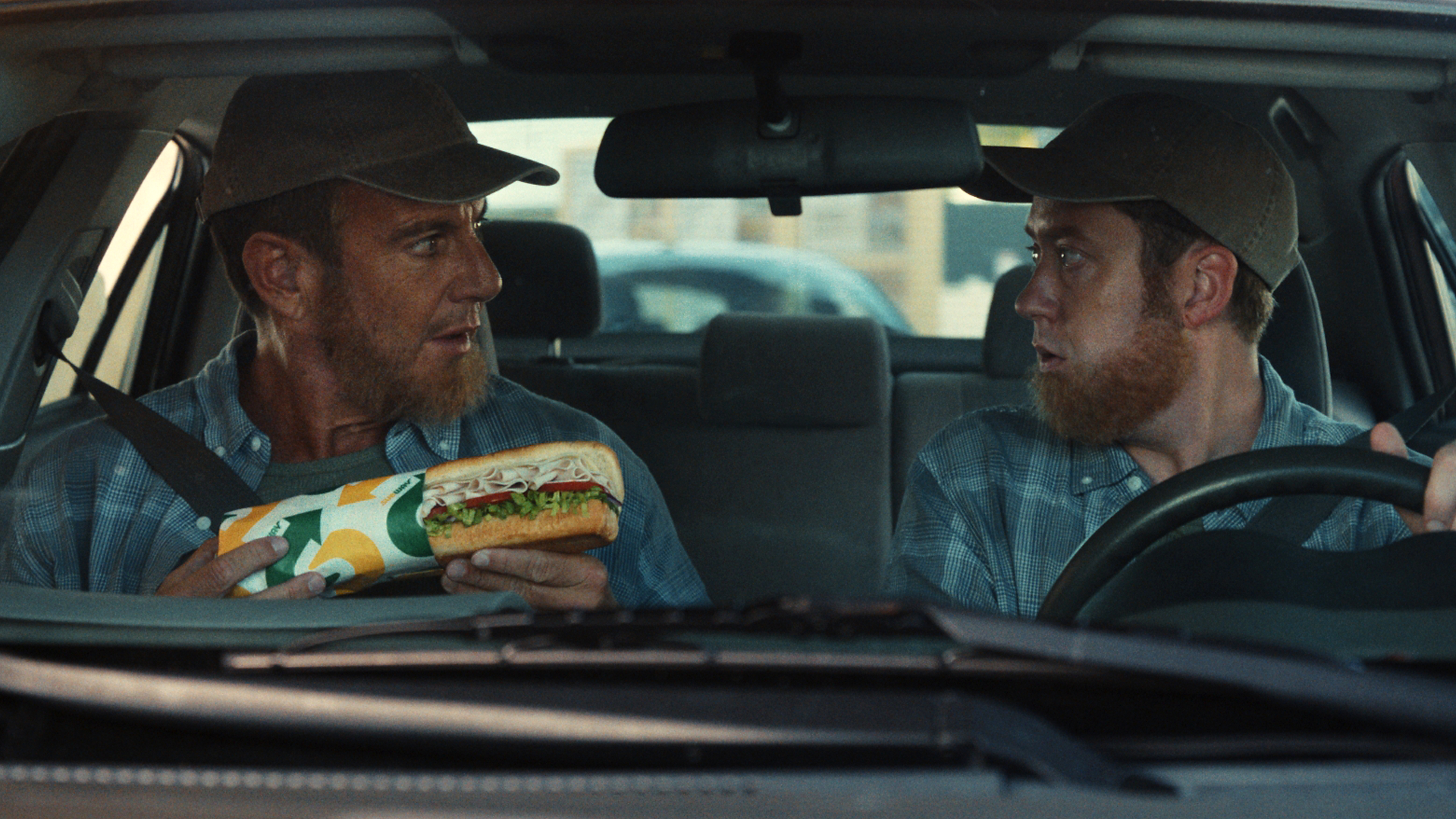
Subway is launching its most ambitious brand repositioning in years with 'Feed Your SUBconscious,' a full-platform campaign starring actor and comedian Will Arnett as five distinct characters who collectively embody the consumer's inner voice—the one that pushes back when a food choice feels like settling.
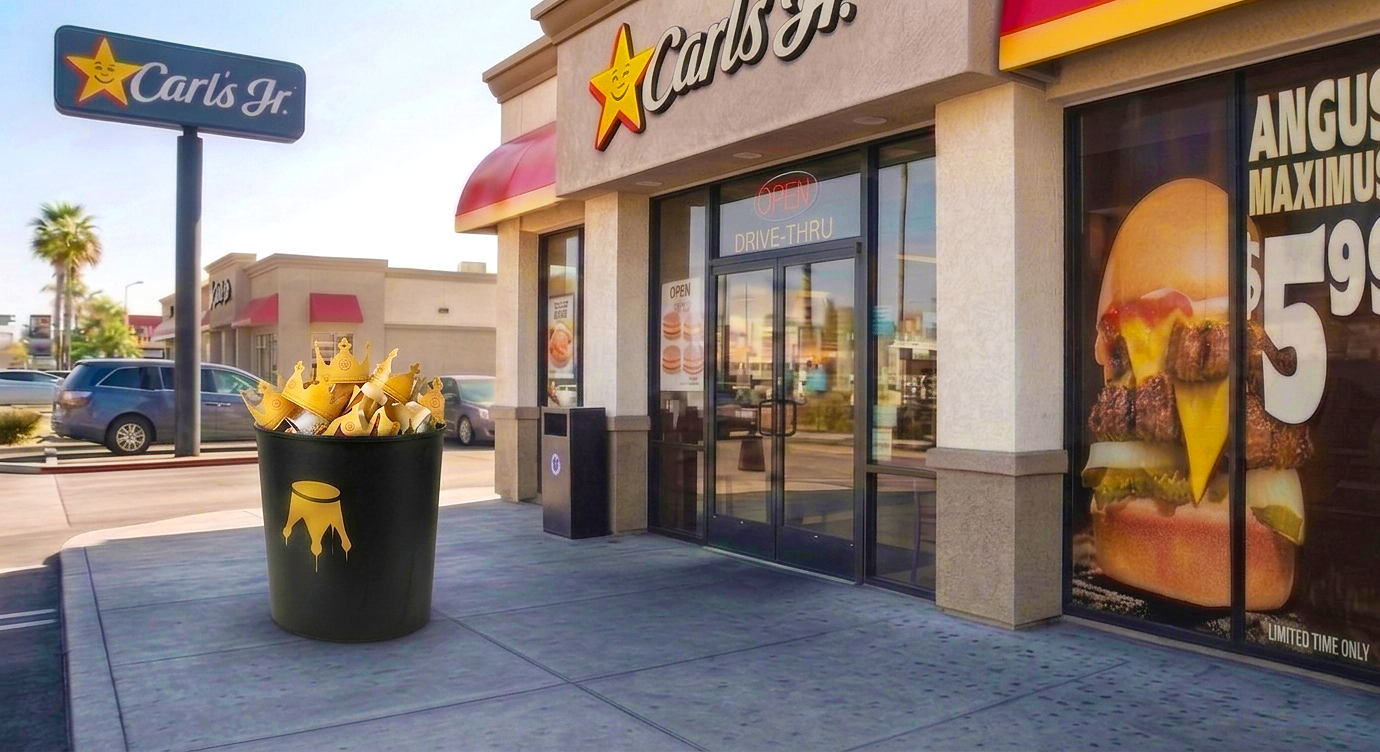
The campaign broke September 21, 2026, with a 60-second anthem spot in which Arnett transforms across five personas, appearing at smoothie counters, burger drive-thrus, and other food decision moments to deliver comedic but pointed nudges toward Subway. The creative will run across broadcast and streaming television, streaming audio, digital, social, in-restaurant channels, and other owned media.
The Strategic Angle
For Subway's franchise system—which spans thousands of U.S. locations with third-party delivery integrations and expanded hours at many restaurants—the platform is doing more than generating awareness. It is a direct positioning play against two distinct competitive sets: value-driven QSR and the pricier fast-casual 'bowl' segment that has absorbed lunch spend over the past decade. By casting the consumer's own instincts as the messenger, the brand sidesteps the hard sell and instead validates a preference it hopes guests already hold.
"Most advertising tries to convince people of something. This campaign begins with something they already know," said Jeff Klein, Chief Marketing Officer, Subway. "They know when they're settling for a meal they do not really want and when lunch is about to become an afternoon regret."
The tone is deliberately irreverent. Arnett, whose comedic range spans broad physical comedy to dry deadpan, was chosen to make the inner-voice conceit feel entertaining rather than preachy. "If you know what's good for you, you'll listen to me, because I AM you!" Arnett said in a statement accompanying the launch. The line captures the campaign's self-aware, slightly absurdist register.
What Operators Should Watch
For franchisees, a national brand platform of this scale typically translates into measurable store-level traffic when media weight is sustained. The multi-channel rollout—spanning streaming audio in addition to video—reflects the fragmented media environment operators now navigate, where restaurant marketing strategy must reach guests across far more touchpoints than legacy broadcast buys alone could accomplish.
The 'better-for-you at a great value' positioning also has menu implications. Subway highlighted veggie-forward, lean-protein, and high-fiber options as available across its lineup, signaling that the campaign is meant to support the broader menu architecture rather than a single LTO. That kind of brand-level messaging, rather than item-level promotion, is increasingly common among chains looking to build longer-term preference rather than short-term transaction spikes—a trend worth tracking across quick-service restaurant brand strategy.
Subway's decision to invest in a multi-character celebrity vehicle rather than a single spokesperson also reflects the social-content demands of 2026's media landscape: multiple distinct characters offer more creative surface area for platform-specific cuts, influencer integrations, and ongoing episodic releases. Klein indicated Arnett and the characters will continue to be introduced to audiences as the platform evolves, suggesting a sustained rather than burst campaign cadence. Food & Beverage Magazine has covered the broader shift toward entertainment-led QSR marketing as chains compete for diminishing consumer attention.
For the restaurant and foodservice industry, the launch underscores a broader truth: in a margin-compressed environment where every franchisee dollar counts, brand-level creative that sharpens competitive differentiation—especially against higher-priced segments—carries real operational significance beyond the TV spot itself.
Written by Michael Politz, Author of Guide to Restaurant Success: The Proven Process for Starting Any Restaurant Business From Scratch to Success (ISBN: 978-1-119-66896-1), Founder of Food & Beverage Magazine, the leading online magazine and resource in the industry. Designer of the Bluetooth logo and recognized in Entrepreneur Magazine's "Top 40 Under 40" for founding American Wholesale Floral, Politz is also the Co-founder of the Proof Awards and the CPG Awards and a partner in numerous consumer brands across the food and beverage sector.