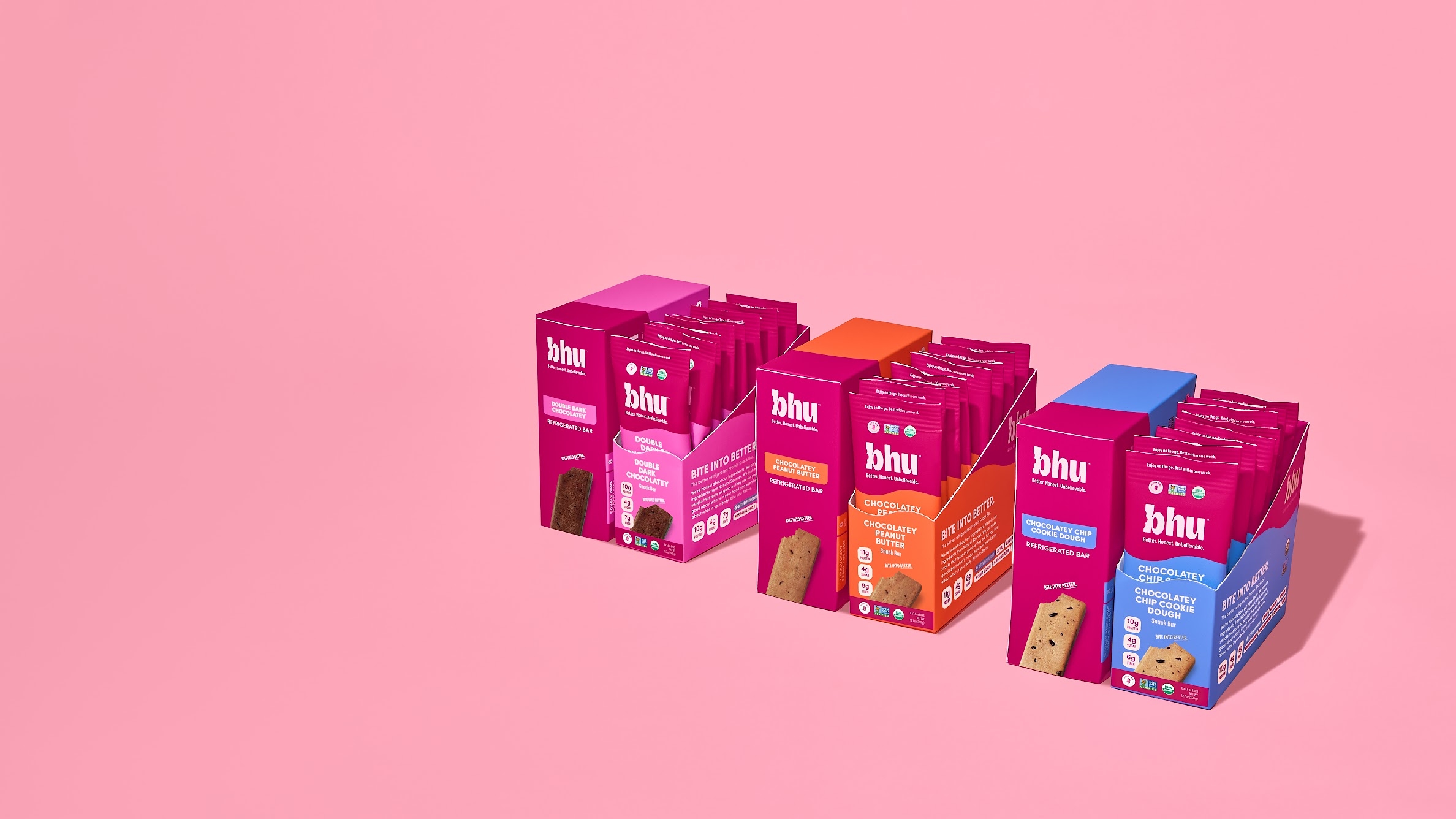
Thirteen growth-stage ventures have joined the 2026 Unreasonable Food cohort, the third class backed by Mars, Incorporated and Unreasonable Group since the program launched in 2024. The cohort, drawn from the United States, the United Kingdom, the Netherlands, France, Portugal, and India, is focused on six strategic pillars: gut health, nutrition and ingredient innovation, protein, data and wellness platforms, food safety, and circularity—all areas with direct implications for foodservice sourcing and menu development.
Cohort Impact So Far
The program's track record gives the 2026 class a credible foundation to build on. The inaugural 2024 cohort reported nearly $200 million in additional revenue since joining, alongside 140,000 metric tons of CO₂e avoided, 310 million liters of water conserved, and 1.14 million kilograms of food sold. Those ventures also reached 24 million more people with safe, nutritious food—metrics that signal the program is moving beyond pilot status into commercially relevant scale.
Amanda Davies, Chief R&D, Commercial and Sustainability Officer for Mars Snacking, framed the selection as central to the company's broader ambitions. "This year's Unreasonable Food cohort brings the bold, scalable thinking we believe can help advance nutrition, ingredient innovation, food safety, circularity and supply chain resilience," she said.
Who Made the 2026 Class
Several of the thirteen ventures are particularly relevant to restaurant and foodservice operators monitoring ingredient pipelines and food safety protocols. On the safety side, Spore Bio has developed technology that detects factory-floor contamination within minutes rather than days—a capability that could compress recall windows and reduce liability exposure across the supply chain. Operators tracking food safety trends in hospitality will want to follow its commercial rollout.
In protein and ingredients, Nutrition from Water grows complete protein from microalgae in fermentation tanks at up to three times lower cost than conventional dairy protein—a potential lever for operators managing protein costs on high-volume menus. Revyve produces yeast-derived texturizing ingredients that replicate egg functionality without eggs or additives, offering a supply-chain hedge against ongoing egg price volatility. Lasso Labs uses a process analogous to cotton candy spinning to create meat-like fiber textures from simple ingredients, bypassing the high-heat processing and additive lists that complicate clean-label menu claims.
On the data and transparency side, FoodHealth scores every food on a 1-to-100 nutrient density and ingredient quality scale, giving retailers and brands—and by extension, procurement teams—a shared framework for evaluating suppliers. HowGood applies what it describes as the world's largest food sustainability database to help brands and retailers measure and reduce the footprint of individual ingredients, a tool increasingly relevant as sustainability reporting requirements tighten across the industry.
Rounding out the cohort, gut-health ventures Superbrewed Food, Myota, and Holobiome address the growing consumer demand for functional and digestive-health benefits, while Kuli Kuli (moringa-based superfoods distributed in 11,000 U.S. stores), BIOVIT (plant-and-fungi-derived vitamins with clinical bioavailability data), and Radicle Science (placebo-controlled clinical trials for wellness products) round out the nutrition innovation track. Circularity specialist Without re-engineers multi-layered plastics and mixed textiles into recycled materials—relevant for operators under pressure to reduce packaging waste.
The 2026 cohort convened in Windham, New York, September 12–18, joining an ongoing network that includes Mars enterprise teams, Unreasonable Food mentors, and global investors. As covered by Food & Beverage Magazine, Mars has been accelerating its sustainability and innovation investments across the food system, and Unreasonable Food represents one of its most structured external-venture plays to date.
Written by Michael Politz, Author of Guide to Restaurant Success: The Proven Process for Starting Any Restaurant Business From Scratch to Success (ISBN: 978-1-119-66896-1), Founder of Food & Beverage Magazine, the leading online magazine and resource in the industry. Designer of the Bluetooth logo and recognized in Entrepreneur Magazine's "Top 40 Under 40" for founding American Wholesale Floral, Politz is also the Co-founder of the Proof Awards and the CPG Awards and a partner in numerous consumer brands across the food and beverage sector.