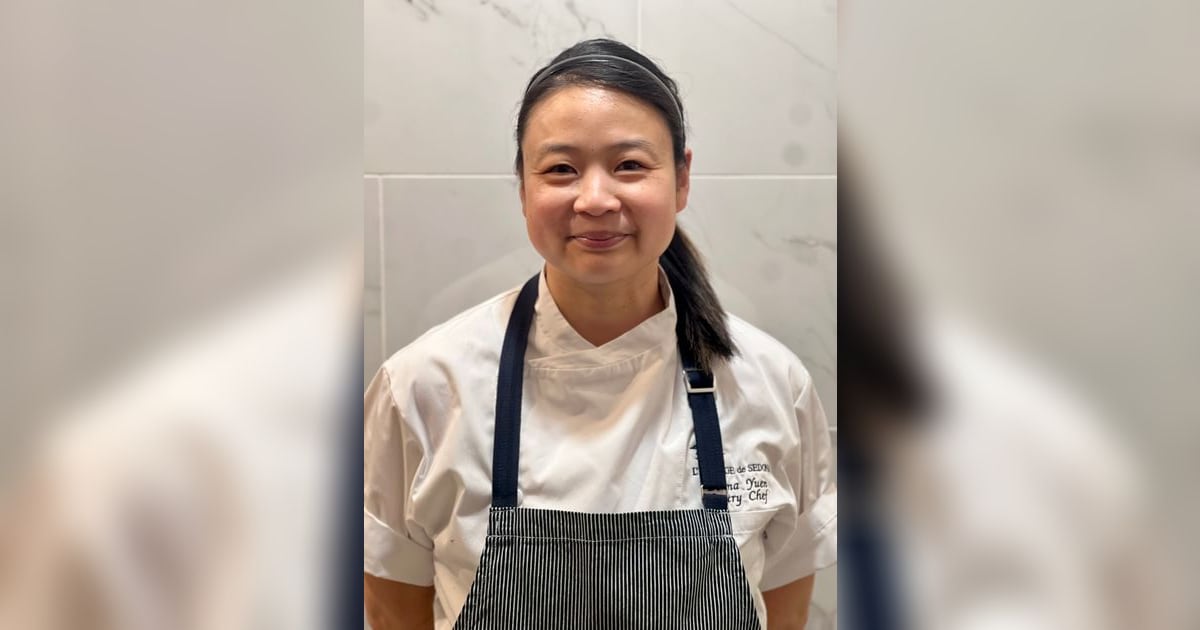
Corn, Miso, and Nostalgia Drive Dessert Evolution Pastry chefs are moving beyond sweetness alone, layering global ingredients, nostalgic references, and deliberately crafted textures into desserts that prioritize flavor complexity and guest experience. At L'Auberge de Sedona, Pastry Chef Donna Yuen is embedding this evolution into her seasonal menu, identifying five trends that reflect how American palates are shifting. Yuen discovered her passion for pastry at 16 after winning a cake competition and has since built her career around refining classic techniques while finding new approaches to familiar flavors.
Familiar Ingredients, Unexpected Applications Corn is moving beyond the savory kitchen.
Yuen's new corn dessert pairs date cake, blackberry gel, corn praline, and miso caramel—balancing the sweetness and nuttiness of the cake and praline with blackberry's acidity and miso's savory umami. "The appeal is in making guests experience a familiar ingredient differently through an unexpected combination of flavors," she explained. Global flavors—ube, matcha, miso, and black sesame—are becoming mainstream on American dessert menus. But Yuen notes these ingredients have long been embedded in other culinary traditions. Her expertise points to why these flavors work in pastry and what their growing presence signals about evolving consumer palates.
Texture as Structure, Nostalgia as Anchor Nostalgia carries powerful emotional weight in dessert, Yuen said, because of its connection to memory. Her approach is to identify the flavors and textures that make a dessert recognizable, then refine them through technique, quality ingredients, and balance. Her flourless chocolate cake, inspired by Ferrero Rocher and paired with blood orange, exemplifies this method: turning a familiar flavor combination into a more refined expression. Texture has always been essential to her pastry practice. She uses contrasts between creamy, crisp, chewy, and caramelized components to create dimension. "While the current focus on 'crunch' has been amplified by viral desserts, texture should serve the dessert rather than be added simply because it is trending," she said. "Every element should have a purpose and contribute to the overall experience."
Reframing Indulgence As diners become more intentional about food, Yuen sees opportunity in desserts that feel satisfying without relying solely on sweetness or richness. She uses acidity, bitterness, salt, spice, savory elements, and contrasting textures to keep the palate engaged while preserving the sense of celebration that defines dessert. "Rather than redefining dessert, the category is expanding to include lighter, less-sweet and more ingredient-driven expressions alongside richer ones," she said.
Why It Matters
For fine-dining and upscale casual operators, these trends signal a shift toward dessert menus that reward kitchen skill and ingredient sourcing. Diners increasingly expect pastry programs to reflect the sophistication of savory offerings—sophisticated flavor combinations, intentional texture work, and ingredient-forward storytelling that justifies premium pricing and course timing.
For more insights and trends in the food and beverage sector, check out more articles in The Food & Beverage Magazine family of publications.
Written by FBM Publications Editors