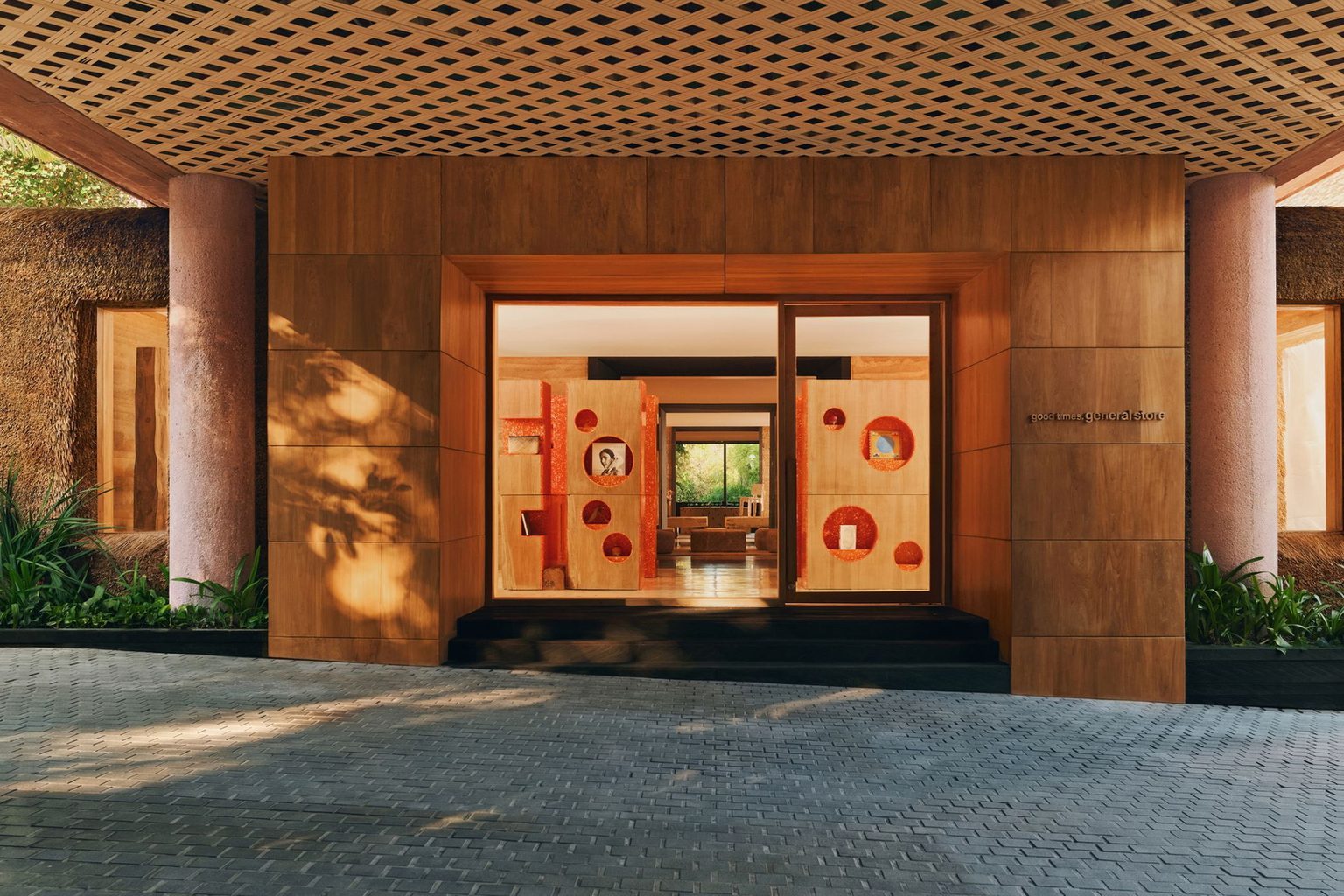
Zero-Waste Restaurant Founder Joins Bali Creative Village Chef and author Douglas McMaster has announced a long-term collaboration with Desa Potato Head, the award-winning creative village in Seminyak, Bali, to develop the property's food innovation programme. The partnership will focus on building a zero-waste production kitchen, fermentation laboratory, and circular food systems across the Desa's six restaurants and bars. McMaster, founder of Silo—the UK's first zero-waste restaurant—brings over a decade of experience rethinking how restaurants source, cook, and value ingredients. Desa Potato Head, included in the World's 50 Best Hotels in 2023, 2024, and 2025, operates as a creative ecosystem integrating design, culture, food, music, and environmental responsibility.
Menus, Fermentation Research, and Public Events Beyond kitchen systems development, McMaster will collaborate with Potato Head's culinary team on menu development, fermentation techniques, and educational initiatives. The partnership will also feature a new Indonesian edition of McMaster's Invasive Species dinner series, which celebrates underutilised and invasive ingredients through creative cooking. The collaboration is part of Potato Head's Cultural Exchange Series, which brings together artists, designers, chefs, musicians, and innovators to develop projects rooted in creativity, community, and environmental care. The partnership will include workshops, public events, and open forums exploring how hospitality can become more regenerative and culturally connected.
Industry Collaboration Model McMaster said: "I've admired Potato Head for years because it has never been just a hotel.
It's a place where food, architecture, music, design and environmental thinking all belong to the same conversation. That combination is incredibly rare. What excites me most is joining a community that sees creativity as a force for positive change. The arts have always helped us imagine better futures, and Potato Head has created a place where artists, chefs, musicians, designers and makers genuinely influence one another. That's the kind of environment where new ideas can flourish. I'm looking forward to learning as much as contributing. Bali has extraordinary biodiversity, craftsmanship and culinary traditions, and together I hope we can build food systems that nourish people, place and culture in equal measure." Oliver Truesdale Jutras, Director of Food & Beverage at Potato Head, added: "Our Cultural Exchanges are about planting seeds whose impact will be felt long after the moment has passed. Their purpose is long-term positive implications not only for Potato Head, but our food systems, our environment, and our wider community. Doug perfectly typifies this. His philosophy mirrors our own belief that hospitality should create a far-reaching legacy for hospitality that is delicious in practice, but goes far beyond the plate in idea, impact, culture, craft, and creativity."
Why It Matters
The collaboration signals growing momentum among high-profile hospitality operators to embed sustainability and circularity into operational systems rather than treating them as peripheral initiatives. McMaster's involvement lends credibility to Desa Potato Head's environmental claims—the property achieved 0.5% waste to landfill and holds B-Corp certification—while positioning fermentation and zero-waste practices as core culinary techniques available to multi-unit food operations.
For more insights and trends in the food and beverage sector, check out more articles in The Food & Beverage Magazine family of publications.
Written by FBM Publications Editors