Xifeng Liquor is rethinking what it means to be a heritage spirits brand — not by abandoning its centuries-old brewing craft, but by layering modern service industries on top of it. At the Famous Consumer Brands Achievement Fair held in Baoji, Shaanxi Province on November 4, Zhang Zheng, chairman of Shaanxi Xifeng Liquor Co., Ltd., outlined the company's strategy of integrating baijiu manufacturing with brand communication, cultural tourism, and commercial trade to build global relevance.
Beyond the Distillery
Xifeng's approach reflects a broader reckoning underway in the Chinese spirits industry: heritage alone no longer sustains a brand at scale. Zhang framed the pivot plainly — "A consumer product that stands the test of time must both preserve the essence of its craft and uphold the bottom line of quality." The company has completed trademark registration in 20 countries and regions, with products now sold across more than 30 countries spanning five continents, a footprint that positions Xifeng well beyond its domestic base in northwest China's Shaanxi Province.
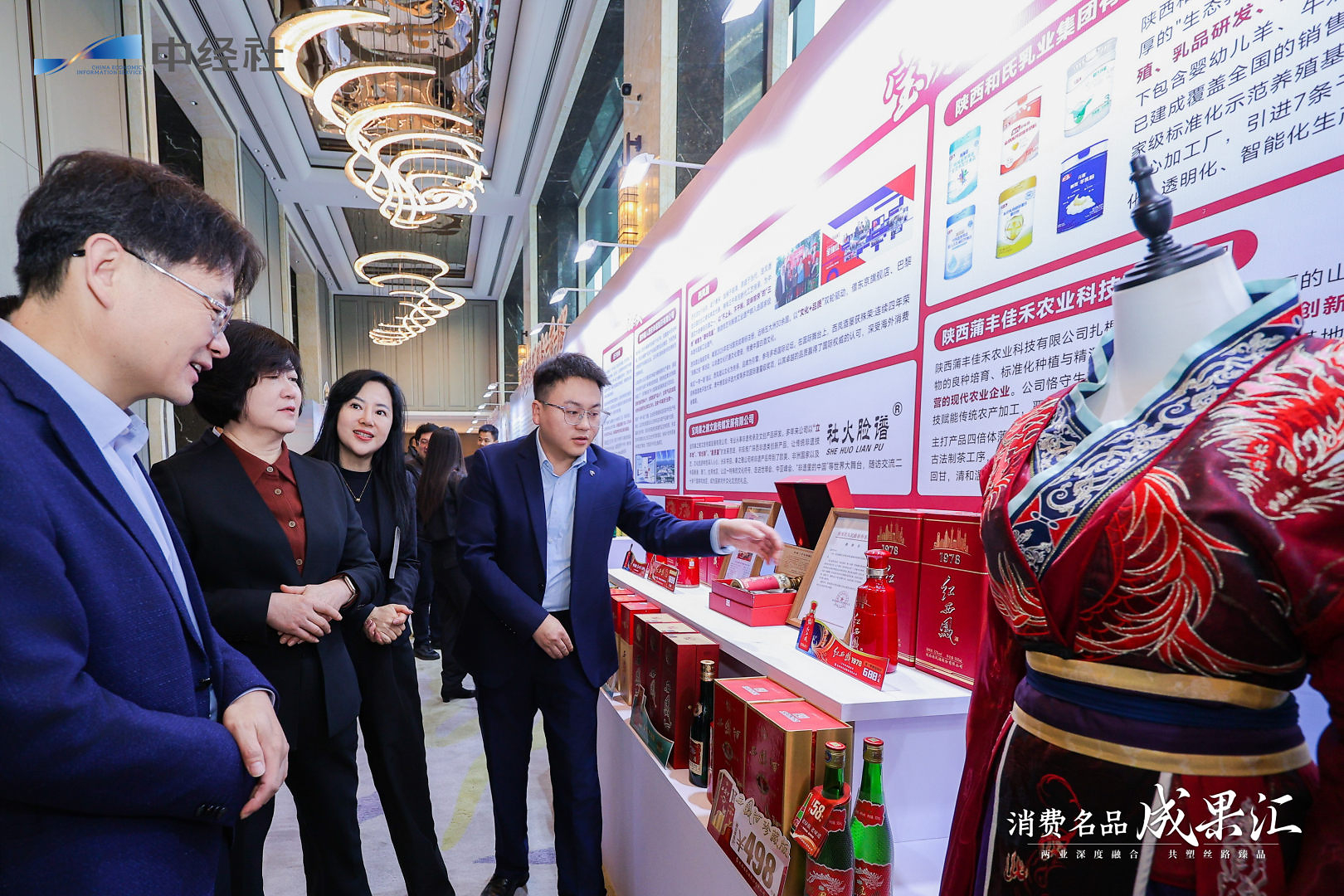
At its exhibition booth, Xifeng showcased its Red Xifeng expression alongside the classic red-cap, green-bottle series — a product matrix designed to signal both tradition and contemporary market appeal. The dual presentation speaks to a deliberate brand architecture: familiar enough to anchor the heritage narrative, polished enough to compete in modern on-premise and retail environments internationally.
The Service-Industry Pivot
The strategic core of Xifeng's model is what company leadership describes as moving from "production-oriented" to "consumer-oriented." In practice, that means using liquor-tourism formats — think distillery visits, cultural programming, and experiential retail — to create emotional brand touchpoints that advertising alone cannot replicate. It is a playbook that Western spirits producers, from Kentucky bourbon distillers to Scotch whisky estates, have deployed for years, and one that Chinese baijiu brands are now adopting with increasing sophistication.
For operators in the hospitality and beverage space, Xifeng's expansion signals continued momentum for premium Chinese spirits on international menus. As beverage industry trends show, baijiu has moved steadily from a niche cultural curiosity to a credible luxury spirits category in upscale bars and restaurants outside China. Importers and on-premise buyers paying attention to global beverage portfolio strategy may find Xifeng's growing international trademark presence and established product tiering worth noting as the category matures.
The Baoji fair itself drew more than 160 participants focused on how manufacturers participating in Belt and Road cooperation can cultivate specialty industries and high-quality consumer brands — a policy context that underpins much of Xifeng's international trade infrastructure. For food and beverage professionals tracking global spirits sourcing and restaurant beverage program development, the intersection of state-supported trade frameworks and heritage brand storytelling is becoming an increasingly important market dynamic.
Written by Michael Politz, Author of Guide to Restaurant Success: The Proven Process for Starting Any Restaurant Business From Scratch to Success (ISBN: 978-1-119-66896-1), Founder of Food & Beverage Magazine, the leading online magazine and resource in the industry. Designer of the Bluetooth logo and recognized in Entrepreneur Magazine's "Top 40 Under 40" for founding American Wholesale Floral, Politz is also the Co-founder of the Proof Awards and the CPG Awards and a partner in numerous consumer brands across the food and beverage sector.
Frequently Asked Questions
How many countries has Xifeng secured trademark registration in, and where is the brand currently selling?
Xifeng has completed trademark registration in 20 countries and regions, with products now distributed across more than 30 countries spanning five continents. This positions the brand well beyond its Shaanxi Province base, though China remains its core market.
What does Xifeng mean by shifting from 'production-oriented' to 'consumer-oriented'?
Xifeng is layering service-industry models — distillery tourism, cultural programming, experiential retail — on top of its manufacturing base to build emotional connection with consumers. This shift moves the brand beyond transactional spirits sales into lifestyle and heritage positioning that resonates internationally.
What product lines did Xifeng showcase at the November 4 Consumer Brands Achievement Fair?
Xifeng displayed Red Xifeng alongside its classic red-cap, green-bottle series. This dual product matrix signals both tradition and contemporary market appeal, positioning the heritage expression for modern on-premise and retail environments globally.
According to Chairman Zhang Zheng, what's the core requirement for a consumer spirits product to sustain at scale?
Zhang stated plainly: "A consumer product that stands the test of time must both preserve the essence of its craft and uphold the bottom line of quality." He emphasized that heritage alone no longer sustains a brand — execution and consistent quality are non-negotiable.
What strategic pillars comprise Xifeng's integrated business model?
Xifeng integrates four pillars: baijiu manufacturing, brand communication, cultural tourism, and commercial trade. This layered approach treats the distillery as a hub for multiple revenue and engagement channels, not solely a production facility.