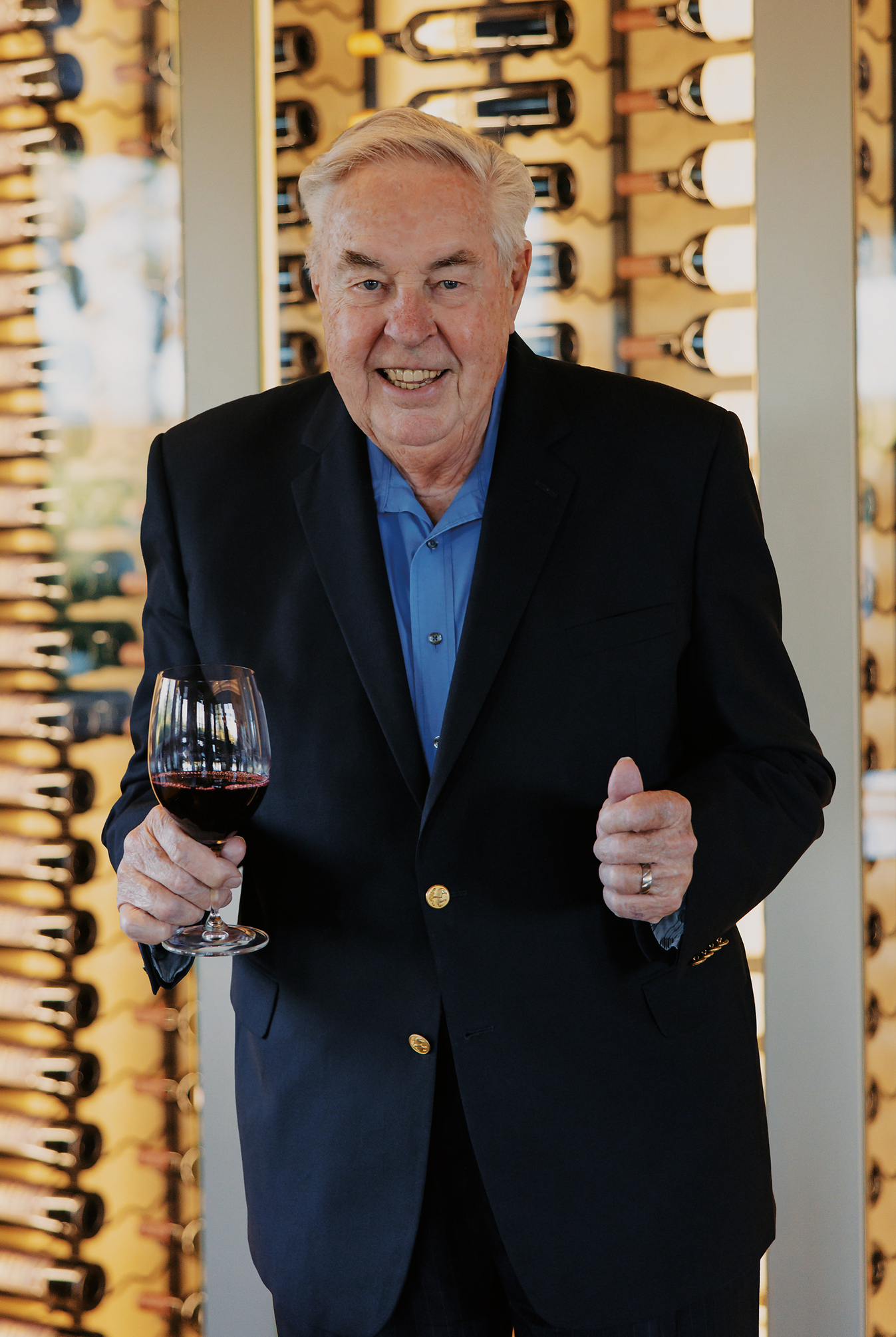
Jerry Lohr, founder of J. Lohr Vineyards & Wines, has received Wine Enthusiast's 2026 Wine Star Lifetime Achievement Award, the publication's highest individual honor — a recognition that underscores just how profoundly one operator's agricultural bets can reshape an entire wine category.
Five Decades of Appellation-Building
Lohr was among the first vintners to identify the winegrowing potential of Monterey County's Arroyo Seco and Paso Robles, making his initial vineyard plantings there in the early 1970s when both regions were largely overlooked. His early conviction that those terroirs could yield world-class Chardonnay and Cabernet Sauvignon — respectively — helped attract subsequent investment, infrastructure, and institutional credibility that turned two obscure California districts into internationally respected appellations. That kind of first-mover impact on regional wine identity is a template still studied by emerging appellation advocates today.
"My singular vision when I started traveling to Monterey County in the late 1960s was to grow, produce and bottle the very best Chardonnay from the Arroyo Seco and then, later, Cabernet Sauvignon from Paso Robles," said J. Lohr Founder and CFO Jerry Lohr. "What followed was our family and team's endless commitment to not only advance best practices in viticulture and enology but to enhance the lives of wine drinkers across the globe."
Lohr's background in civil engineering and homebuilding — combined with roots on a South Dakota family farm — gave him an unusually systematic approach to viticulture at a time when California wine was still finding its footing on the global stage.
Sustainability and Industry Infrastructure
Long before environmental stewardship became a marketing prerequisite in the beverage industry, Lohr was already building the frameworks. In 2002, he participated in developing the Code of Sustainable Winegrowing Practices alongside Wine Institute and the California Association of Winegrape Growers — a framework that later became the foundation of the California Sustainable Winegrowing Alliance. Today, J. Lohr manages more than 4,000 acres of Certified California Sustainable estate vineyards across Monterey County, Paso Robles, and Napa Valley's St. Helena.
His investment in human capital runs equally deep. Lohr funded the J. Lohr Fermentation Room and Sensory Room at UC Davis, the JUSTIN and J. LOHR Center for Wine & Viticulture at Cal Poly San Luis Obispo (opened 2021), and the Jerome J. Lohr College of Engineering at South Dakota State University. These contributions position him as one of the more consequential philanthropists in American winegrowing education.
On the community side, the J. Lohr Touching Lives® initiative — launched after the 2008 passing of his wife Carol — has contributed more than $1 million to the National Breast Cancer Foundation, funding more than 8,000 mammograms for women who might otherwise lack access to screening.
Transition and What's Ahead
The recognition arrives as J. Lohr navigates generational transition. Jerry's children — Steve, Cynthia, and Lawrence — now serve as co-owners and hold day-to-day executive roles, maintaining the company's standing as one of the wine and spirits sector's few remaining fully vertically integrated independent producers. Steve Lohr, President & CEO, credited his father with creating opportunity not just for the family business but for entire agricultural communities across the Central Coast.
Jerry Lohr turns 90 on January 1, 2027, and remains actively engaged across the company's vineyards, wineries, and affiliated educational institutions. For on-premise buyers, sommeliers, and restaurant beverage programs sourcing California wines, the award offers a timely reminder of the institutional depth behind the J. Lohr portfolio — a family brand with deep appellation roots and a supply chain built over half a century.
Written by Michael Politz, Author of Guide to Restaurant Success: The Proven Process for Starting Any Restaurant Business From Scratch to Success (ISBN: 978-1-119-66896-1), Founder of Food & Beverage Magazine, the leading online magazine and resource in the industry. Designer of the Bluetooth logo and recognized in Entrepreneur Magazine's "Top 40 Under 40" for founding American Wholesale Floral, Politz is also the Co-founder of the Proof Awards and the CPG Awards and a partner in numerous consumer brands across the food and beverage sector.
Frequently Asked Questions
When did Jerry Lohr first plant vineyards in Monterey County and Paso Robles?
Lohr made his initial plantings in the early 1970s, after scouting Monterey County in the late 1960s. Both regions were largely overlooked at the time, making his early bet on Arroyo Seco Chardonnay and Paso Robles Cabernet Sauvignon a genuine appellation gamble that paid off.
What makes this Wine Enthusiast award significant for operators?
The 2026 Wine Star Lifetime Achievement Award is Wine Enthusiast's highest individual honor. It recognizes Lohr's 50-year track record of building regional credibility and attracting institutional investment — a playbook that emerging appellations and wine regions still study today.
What was Lohr's professional background before entering wine?
Lohr trained as a civil engineer and worked in homebuilding before transitioning to viticulture, giving him a systematic, infrastructure-focused approach to vineyard development. Combined with his South Dakota farm roots, this background set him apart from many California winemakers in the early 1970s.
Which varietals did Lohr focus on in each region?
Lohr targeted Chardonnay from Arroyo Seco in Monterey County and Cabernet Sauvignon from Paso Robles. This focused varietal strategy helped establish clear appellation identities and differentiate both regions on the global stage.
How did Lohr's early success impact regional wine infrastructure?
His conviction in the terroir of Monterey and Paso Robles attracted follow-on investment, institutional credibility, and physical infrastructure that transformed two obscure California districts into internationally respected appellations. This first-mover impact on appellation development remains a template for regional wine advocates.