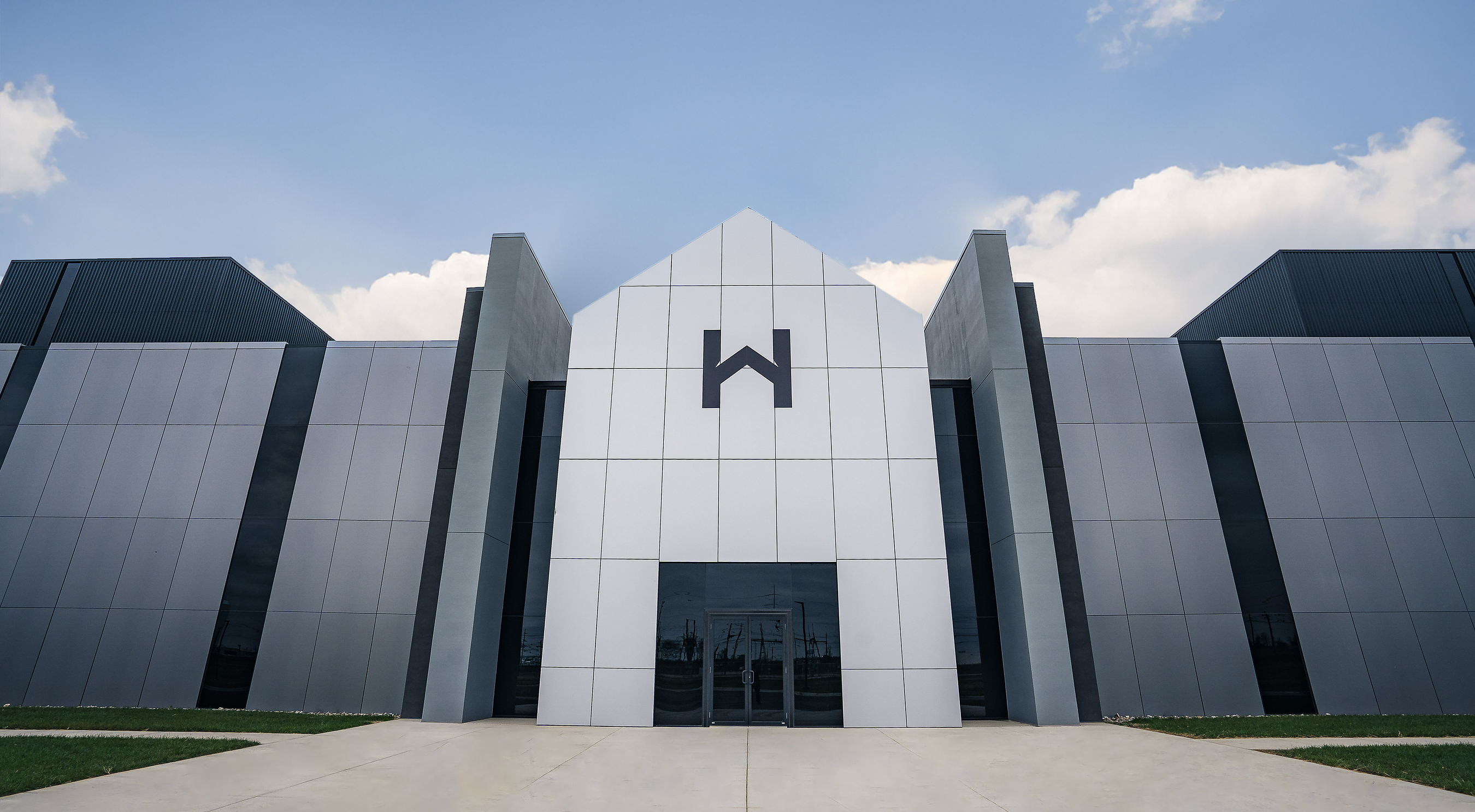
Two years into production, Whiskey House of Kentucky has earned ISO/IEC 17025 accreditation through A2LA for laboratory testing—its fourth ISO certification since the facility came online, a milestone the company says is a first in the distilling industry. The accreditation validates that the distillery's lab operates with qualified personnel, validated testing methods, traceable measurements, and a management system capable of producing accurate, consistent, and defensible results.
What the Cert Covers
ISO/IEC 17025 is the international gold standard for testing and calibration laboratories. For a contract spirits producer, that designation carries direct commercial weight: brand clients can trust that production data underpinning quality decisions and batch approvals is technically sound and independently verified. Co-founder and CEO David Mandell called the achievement "a significant step forward" that gives customers "the highest level of confidence in the data, controls, and decision-making that support their products." Senior Chemist Alexandra Martin, who oversees the lab team and daily laboratory operations, was credited with building the technical foundation—strengthening recordkeeping practices and ensuring method execution aligned with ISO/IEC 17025 requirements.
The Certification Stack
The new accreditation follows ISO 9001 (quality management), ISO 14001 (environmental management), and ISO 45001 (occupational health and safety) certifications achieved in January, creating what Whiskey House calls an Integrated Management System. President, COO, and Co-founder John Hargrove framed the stack as redefining expectations for contract whiskey production, combining advanced manufacturing practices with a customer-first model. The facility operates with no house brands and a campus closed to the public, positioning itself as a pure B2B production partner for spirits companies. A fifth certification—FSSC 22000, a globally recognized food safety management system—is targeted following an NSF ISO audit scheduled for late November.
Operator Implications
For spirits brands sourcing custom whiskey through contract production, this level of certification infrastructure is increasingly relevant. Laboratory accreditation reduces the due-diligence burden on brand-owner quality teams and supports regulatory compliance across markets, particularly for exporters navigating international standards. Food Safety Quality Assurance Senior Manager Justin Dixon noted that the accreditation demonstrates the lab system is "technically sound, well-controlled, and built to support reliable results"—language that speaks directly to procurement and quality assurance managers at beverage companies evaluating co-manufacturing partners.
The Whiskey House certification push reflects a broader trend in the beverage alcohol supply chain, where contract producers are adopting food-manufacturing-grade quality systems to attract and retain premium brand clients. Our beverage industry analysis has tracked similar quality-system investments across the spirits and craft brewing sectors, while restaurant and hospitality operators sourcing private-label spirits programs increasingly require comparable documentation from their production partners.
Written by Michael Politz, Author of Guide to Restaurant Success: The Proven Process for Starting Any Restaurant Business From Scratch to Success (ISBN: 978-1-119-66896-1), Founder of Food & Beverage Magazine, the leading online magazine and resource in the industry. Designer of the Bluetooth logo and recognized in Entrepreneur Magazine's "Top 40 Under 40" for founding American Wholesale Floral, Politz is also the Co-founder of the Proof Awards and the CPG Awards and a partner in numerous consumer brands across the food and beverage sector.