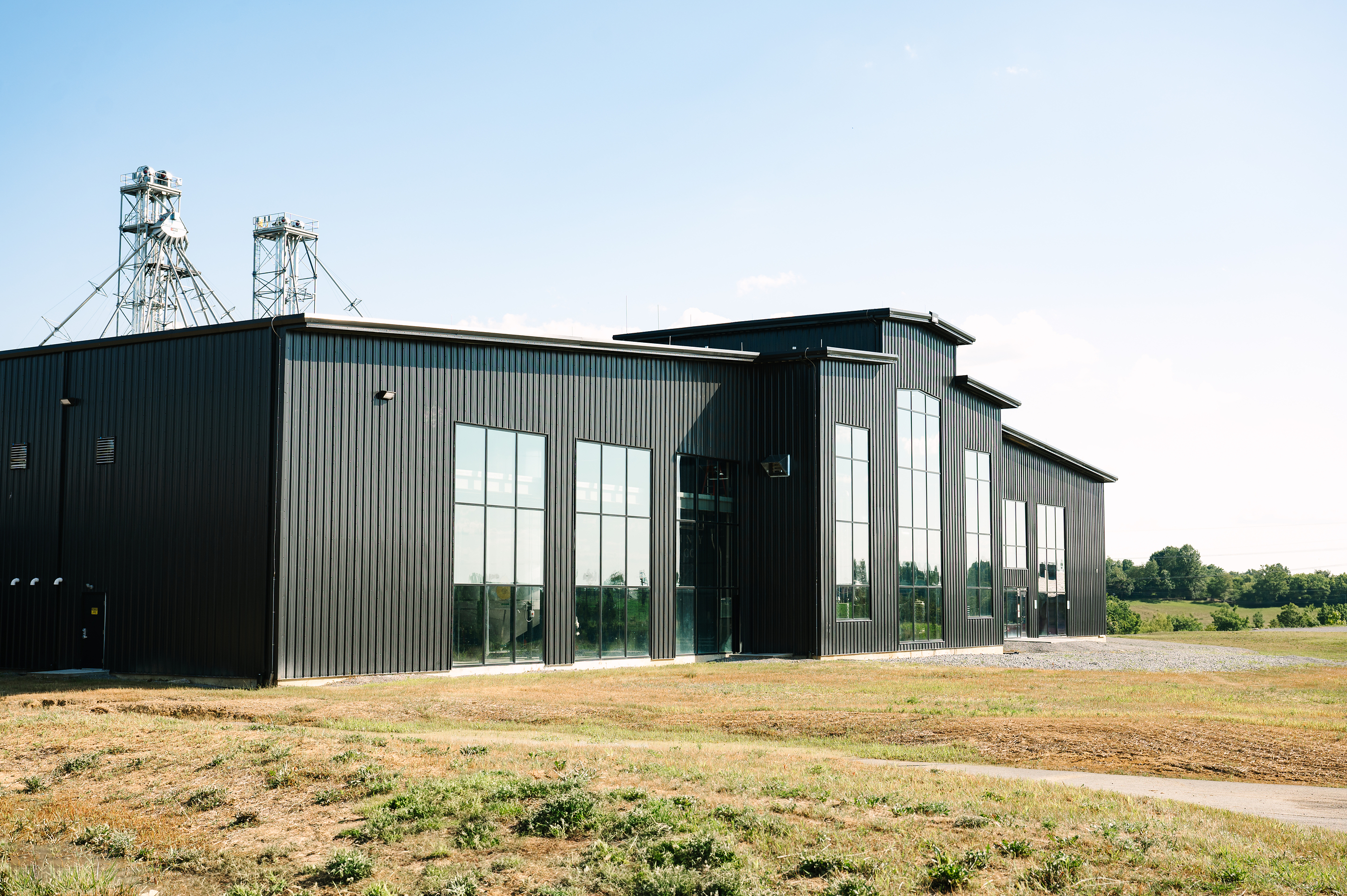
Demand is outrunning supply at Sazerac, and the company is buying its way to more capacity. The Louisville-based spirits producer has acquired Garrard County Distilling in Lancaster, Kentucky, adding a fourth distillery to its Commonwealth network alongside Buffalo Trace in Frankfort, Barton 1792 in Bardstown, and The Glenmore Distillery in Owensboro.
The Garrard County facility, which opened in 2024, sits on approximately 210 acres and includes two column stills and two 20,000-square-foot barrel warehouses. Sazerac plans to use the existing infrastructure to support broader production needs across its portfolio of more than 550 spirits brands—including Buffalo Trace Bourbon, Weller, Eagle Rare, and Fireball Cinnamon Whisky—and expects to hire additional staff with headcount growing as operations scale.
The Investment Context
The acquisition fits a pattern of accelerating capital deployment across Sazerac's Kentucky footprint. Over the past five years, the company has invested approximately $50 million at Barton 1792 Distillery, funding a new boiler house, additional fermenters, expanded bottling operations, and three new aging warehouses that increased barrel storage capacity by 25%. At The Glenmore Distillery, roughly $40 million has gone toward processing upgrades, barrel equipment, distillery controls, and bottling lines since 2020. The largest single commitment was a ten-year, $1.2 billion expansion of Buffalo Trace Distillery completed in January 2025, which added a new still house, boiler house, bottling operation, expanded visitor center, 20 fermenters, and 19 aging warehouses.
Sazerac is also building new barrel aging warehouses in Laurel and Taylor Counties, signaling that the Garrard County deal is part of a statewide capacity buildout rather than a standalone move. Jake Wenz, President and CEO of Sazerac, framed the rationale plainly: "Even with all the investments we have made to expand, we need more supply to keep up with demand, and the addition of the Lancaster facility gives us valuable distilling capabilities to support that growth."
Why It Matters for the Industry
For operators and buyers tracking bourbon and American whiskey supply chains, the Sazerac move underscores a broader tightening dynamic. Premium and allocated bourbon labels have faced persistent availability constraints for years, and producers of Sazerac's scale are responding with physical infrastructure rather than price-only levers. The Garrard County site was a relatively new build—just two years old—giving Sazerac modern column-still capacity without the multi-year lead time of ground-up construction.
The deal also reinforces Kentucky's position as the center of gravity for domestic spirits investment. With nearly 3,000 team members already in the state, Sazerac is deepening a regional bet that aligns with the continued consumer premiumization trend driving restaurant and bar beverage program strategy across on-premise channels. Buyers sourcing allocated Buffalo Trace expressions or building whiskey-forward cocktail programs should expect Sazerac's expanded capacity to gradually ease—but not eliminate—supply pressure over the medium term as new distillate ages to maturity.
Written by Michael Politz, Author of Guide to Restaurant Success: The Proven Process for Starting Any Restaurant Business From Scratch to Success (ISBN: 978-1-119-66896-1), Founder of Food & Beverage Magazine, the leading online magazine and resource in the industry. Designer of the Bluetooth logo and recognized in Entrepreneur Magazine's "Top 40 Under 40" for founding American Wholesale Floral, Politz is also the Co-founder of the Proof Awards and the CPG Awards and a partner in numerous consumer brands across the food and beverage sector.