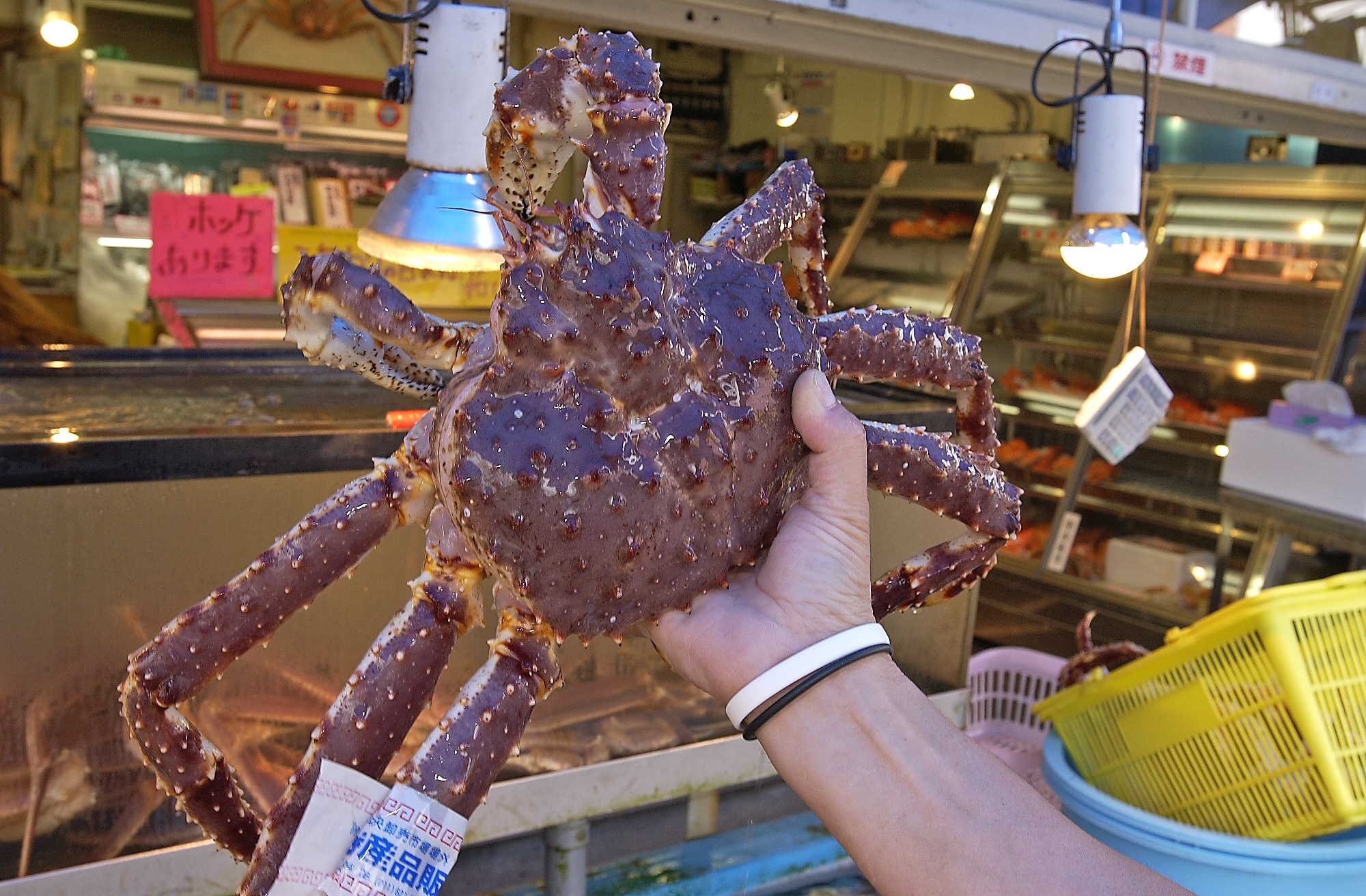
Sapporo, long anchored by its reputation as a world-class ski destination, is drawing a new wave of food-focused travelers who come for Hokkaido's extraordinary larder as much as its slopes. The Sapporo Tourist Association is actively promoting the city's year-round culinary identity, built on direct-from-sea supply chains, premium dairy agriculture, and a craft food culture that increasingly rivals better-known Japanese gastro-destinations.
For hospitality operators and restaurateurs paying attention to inbound culinary tourism trends, Sapporo's emergence offers a textbook case of how regional provenance—seafood, dairy, buckwheat, locally produced wines—can anchor an entire destination food narrative.
The Market Infrastructure
The foundation of Sapporo's food scene is its market network. Nijo Fish Market operates as both a wholesale hub and a visitor-facing experience, where travelers engage directly with vendors selling Hokkaido crab, scallops, salmon roe, and uni before eating at intimate market-side eateries. The adjacent Sapporo Central Wholesale Market and its Outer Market (Jogai Ichiba) together form the supply backbone that moves Hokkaido's finest seafood and produce into the city's restaurants and homes. For operators interested in how transparent, origin-driven supply chains translate into guest engagement—a growing priority across restaurant and hospitality operations—these markets are a functioning model worth studying.
Ramen, Dairy, and the Dessert Trend
Sapporo's miso ramen is perhaps its most globally recognized culinary export, and Ganso Ramen Yokocho—a narrow retro alleyway lined with small ramen shops—remains the definitive address for experiencing it. The contrast of cold Hokkaido winters and steaming, richly topped broth has long made ramen a cultural touchstone here, and the alleyway's intimate, high-turnover format is a studied lesson in atmosphere-driven dining.
Beyond savory traditions, a more contemporary food trend has taken hold: late-night parfaits. These elaborately layered desserts, built from Hokkaido's premium dairy, seasonal fruit, and chocolate, have become a signature of the city's nightlife and café culture. The trend reflects how operators can leverage hyper-local agricultural identity—Hokkaido is Japan's dominant dairy-producing region—into shareable, design-forward menu items that resonate with modern diners.
Hokkaido is also Japan's largest buckwheat producer, which supports a distinctive soba culture. Hands-on noodle-making experiences, where visitors learn alongside local artisans, have become a popular format—what the tourism sector is calling a "Skillcation." This experiential model aligns with what food and beverage industry analysts have flagged as a durable post-pandemic shift: travelers increasingly prioritize participatory culinary encounters over passive dining.
Operator Takeaways for Culinary Tourism
For hospitality professionals, Sapporo's trajectory illustrates several transferable principles. Farm-to-table credibility built on genuinely local supply chains—rather than marketing language—creates defensible differentiation. The city's growing roster of locally produced wines and artisan cheeses signals that even a region historically associated with a single signature dish (ramen) can evolve into a multi-category gastro-destination when operators invest in craft and provenance storytelling.
The Food & Beverage Magazine network has documented similar regional culinary positioning plays across North America and Europe; Sapporo's model adds an instructive Asian hospitality lens to that conversation. As culinary tourism continues to drive hotel occupancy and F&B revenue, destinations—and the operators within them—that build coherent food identities around genuine regional ingredients are best positioned to capture high-value, experience-seeking travelers.
Written by Michael Politz, Author of Guide to Restaurant Success: The Proven Process for Starting Any Restaurant Business From Scratch to Success (ISBN: 978-1-119-66896-1), Founder of Food & Beverage Magazine, the leading online magazine and resource in the industry. Designer of the Bluetooth logo and recognized in Entrepreneur Magazine's "Top 40 Under 40" for founding American Wholesale Floral, Politz is also the Co-founder of the Proof Awards and the CPG Awards and a partner in numerous consumer brands across the food and beverage sector.