A family-run Texas beef producer is rapidly scaling its retail presence just months after launching its flagship snack product. Ribbonwire Ranch, based in Dalhart, Texas, has expanded distribution to more than 5,900 stores nationwide, adding shelf space at Albertsons, Kroger, Super 1 Foods, Bashas', Gelson's, and Erewhon — all since the June retail debut of its 100% USDA Certified Organic Beef Stick.
The expansion builds on an existing footprint of more than 800 Sheetz convenience locations and signals strong early traction for the product in both grocery and foodservice-adjacent channels. For retailers and foodservice buyers tracking the organic snack and protein category, Ribbonwire's growth underscores how demand for fully traceable, domestically raised beef is moving from niche to mainstream.
The Sourcing Story
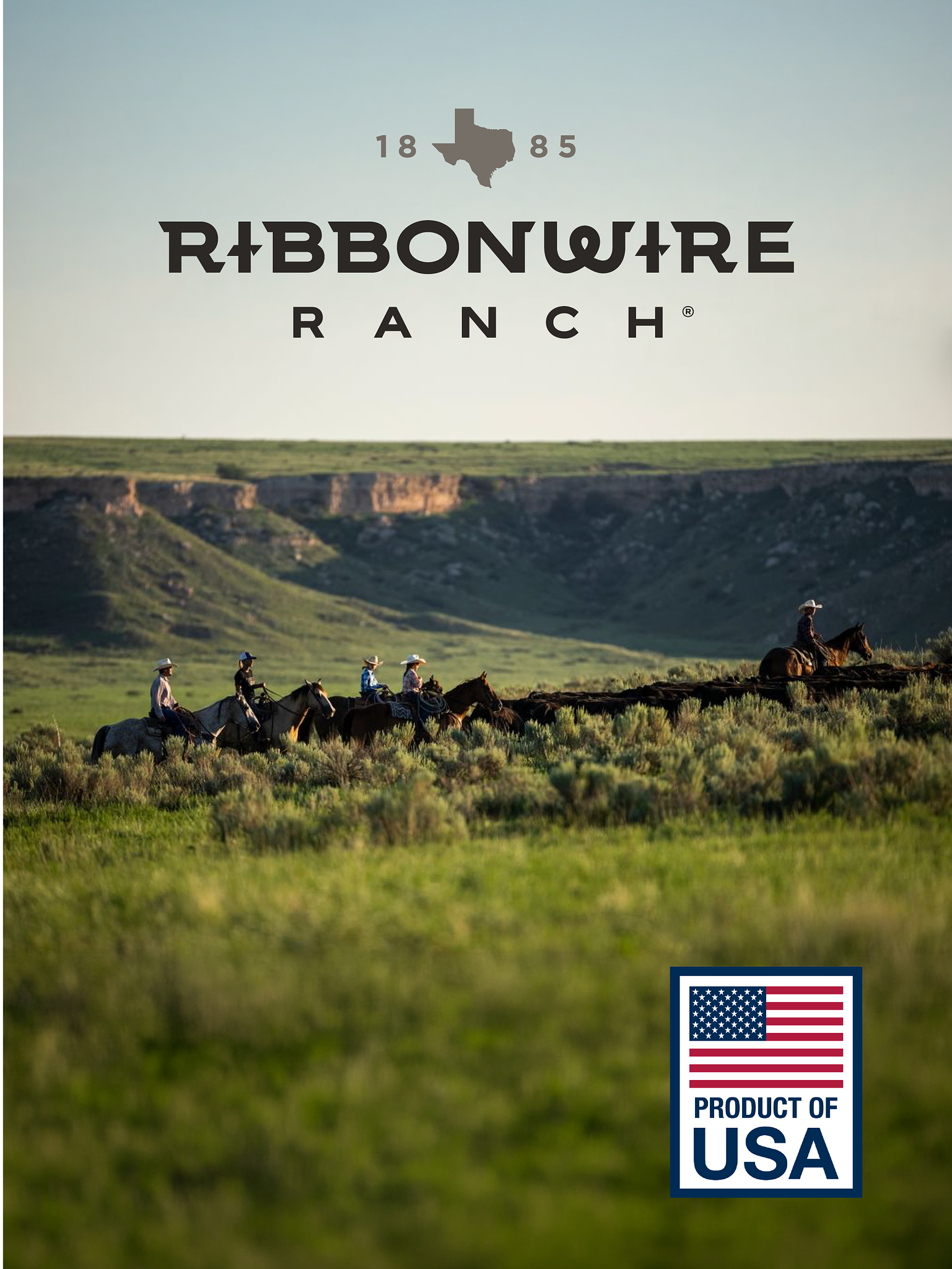
What sets Ribbonwire apart in a crowded beef snack market is its vertically integrated model. The company raises its own cattle, grows its own organic feed, and manages production from pasture to package on land in the Texas Panhandle that has been in ranching use since 1885. The ranch transitioned to full organic standards in 2015. Every beef stick carries USDA Certified Organic certification, meaning the cattle were born, raised, and finished under USDA organic conditions — a distinction that is increasingly meaningful to both retail buyers and end consumers.
"Everyone is paying attention to where their beef comes from now," said Chad Schoonover, Ribbonwire Ranch co-founder and head of ranch operations. "For Ribbonwire, that answer has always been clear. We raise our own cattle in Texas, grow our own organic feed and oversee the process from pasture to package."
Label and Retail Push
As beef import volumes and country-of-origin labeling debates remain active in the food industry, Ribbonwire is leaning into differentiation. The brand will adopt the USDA's strengthened voluntary "Product of USA" label — a designation now reserved strictly for meat from animals born, raised, slaughtered, and processed entirely within the United States. The label rollout is planned across packaging, the brand's website, social media, and Amazon listings over the next six months.
The timing is deliberate. Retailers sourcing premium beef and specialty protein products are under increasing pressure from shoppers who want verified domestic origin, not just marketing claims. The USDA's tightened standard for the "Product of USA" label, which previously could be applied to imported beef processed domestically, gives brands like Ribbonwire a credible, government-backed tool to communicate genuine provenance at shelf level.
To support the expanded retail footprint, Ribbonwire also relaunched its website on September 15, adding a store locator and updated e-commerce functionality alongside deeper storytelling about the ranch's 140-year history. Products are also available through Amazon, extending reach beyond brick-and-mortar.
For grocery and specialty food buyers, Ribbonwire's trajectory — organic certification, full vertical integration, a strengthened country-of-origin label, and rapid multi-banner distribution growth — reflects a positioning strategy well-suited to the current retail environment, where provenance and transparency are becoming standard expectations rather than premium differentiators. Industry professionals tracking these trends will find additional context in Food & Beverage Magazine's coverage of the organic and natural foods segment.
Written by Michael Politz, Author of Guide to Restaurant Success: The Proven Process for Starting Any Restaurant Business From Scratch to Success (ISBN: 978-1-119-66896-1), Founder of Food & Beverage Magazine, the leading online magazine and resource in the industry. Designer of the Bluetooth logo and recognized in Entrepreneur Magazine's "Top 40 Under 40" for founding American Wholesale Floral, Politz is also the Co-founder of the Proof Awards and the CPG Awards and a partner in numerous consumer brands across the food and beverage sector.