Nestlé Purina cut the ribbon August 31 on a $550 million pet food factory in Batavia, Ohio—its first facility built from the ground up since 1975 and the largest single manufacturing investment Nestlé has ever made in a Purina plant. The 1.3 million-square-foot site, located roughly 30 miles east of Cincinnati, becomes Purina's 24th U.S. factory and is already producing Purina Pro Plan, Purina ONE, and Dog Chow.
Scale & Technology
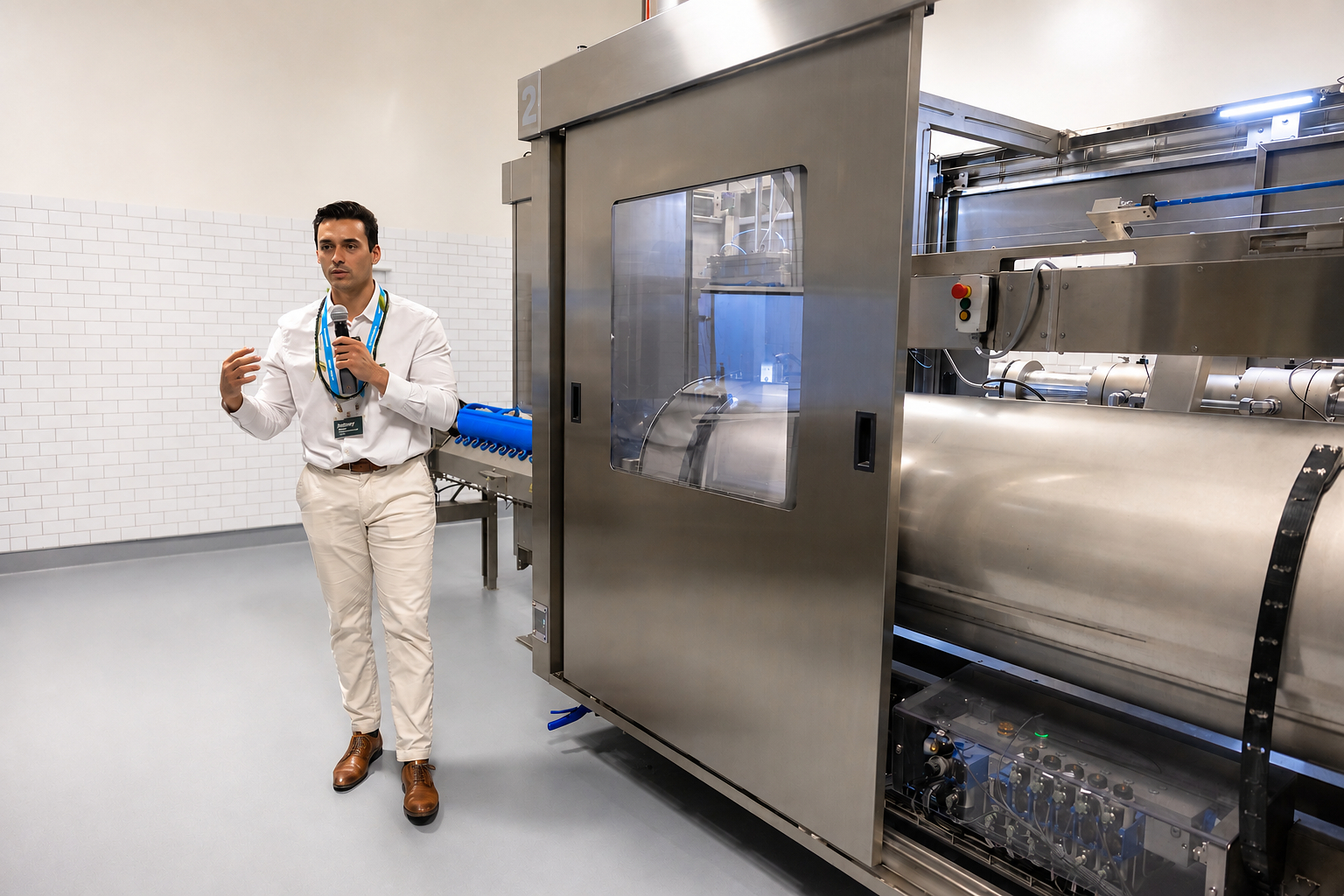
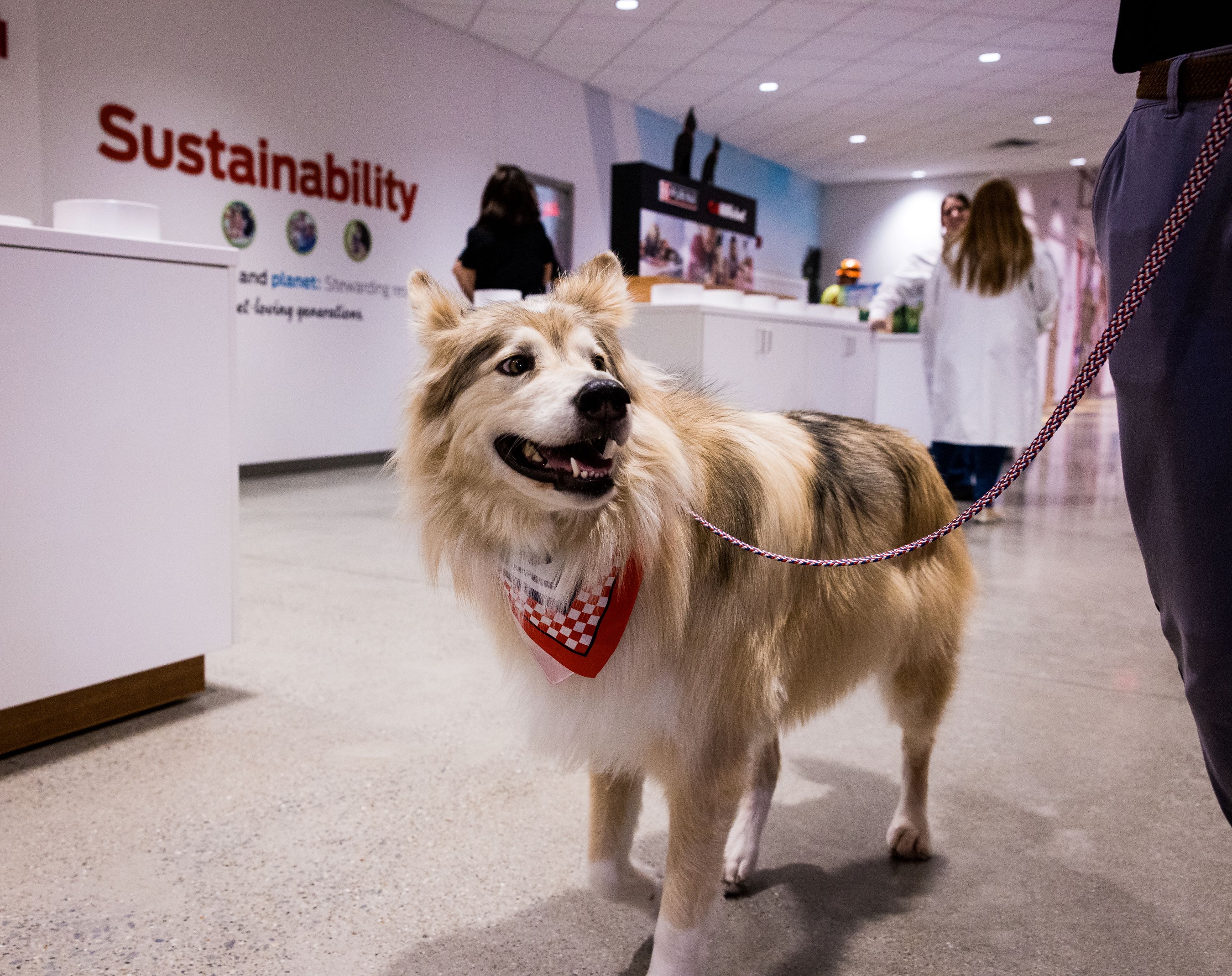
The Batavia facility's ten-plus-story footprint houses an Automated Storage and Retrieval System (ASRS), robotics, advanced digital manufacturing tools, and a Manufacturing Experience Center designed to educate visitors, students, and community leaders on modern food production. The integration of automation across receiving, production, and warehousing mirrors a broader shift in large-scale food and beverage manufacturing toward capital-intensive, tech-forward facilities that reduce variability and improve throughput. At full capacity, the plant is projected to feed approximately eight million pets annually.
"What makes Batavia special is the combination of cutting-edge technology and an exceptional team," said Mike Ferritto, Batavia factory manager. "This facility represents the very best of Purina's manufacturing expertise and our associates are bringing that vision to life every day."
Workforce & Community Impact
The factory currently employs more than 430 associates, with plans to surpass 500 when fully operational. Purina continues to recruit engineers, operators, and technical specialists as production scales. The investment adds meaningful volume to the Cincinnati-area food manufacturing corridor and complements Purina's existing Ohio presence—the company's Zanesville plant has operated in the state since 1973.
Beyond payroll, Purina announced two $30,000 grants through the Purina Foundation at the grand opening. The League for Animal Welfare received funding to improve shelter dog housing, while Impacting Tomorrow was awarded a grant for its new Companion Care Project, which will supply pet food and veterinary assistance to local families under financial strain.
What It Means for the Industry
The Batavia opening signals renewed confidence in domestic pet food manufacturing at a time when supply chain resilience and U.S.-based production capacity have become strategic priorities across the broader food and beverage sector. Pet food remains one of the most recession-resistant segments in packaged food, and Purina's willingness to commit $550 million to a single greenfield site reflects both sustained category growth and the company's intent to defend shelf position across its flagship dry-food brands.
For operators and retailers tracking ingredient sourcing and private-label supply chains, the Batavia plant's flexibility—designed to adapt quickly to shifting consumer preferences across Purina's portfolio—also suggests the company is positioning itself to respond faster to reformulation demands and new product launches without the lead times typical of older facilities.
Nina Leigh Krueger, president and CEO of Purina, framed the investment as a long-term commitment: "The Batavia factory reflects our long-term commitment to American manufacturing, innovation and the communities where we operate."
Readers tracking capital investment trends in food manufacturing can find additional context in our food industry analysis coverage.
Written by Michael Politz, Author of Guide to Restaurant Success: The Proven Process for Starting Any Restaurant Business From Scratch to Success (ISBN: 978-1-119-66896-1), Founder of Food & Beverage Magazine, the leading online magazine and resource in the industry. Designer of the Bluetooth logo and recognized in Entrepreneur Magazine's "Top 40 Under 40" for founding American Wholesale Floral, Politz is also the Co-founder of the Proof Awards and the CPG Awards and a partner in numerous consumer brands across the food and beverage sector.