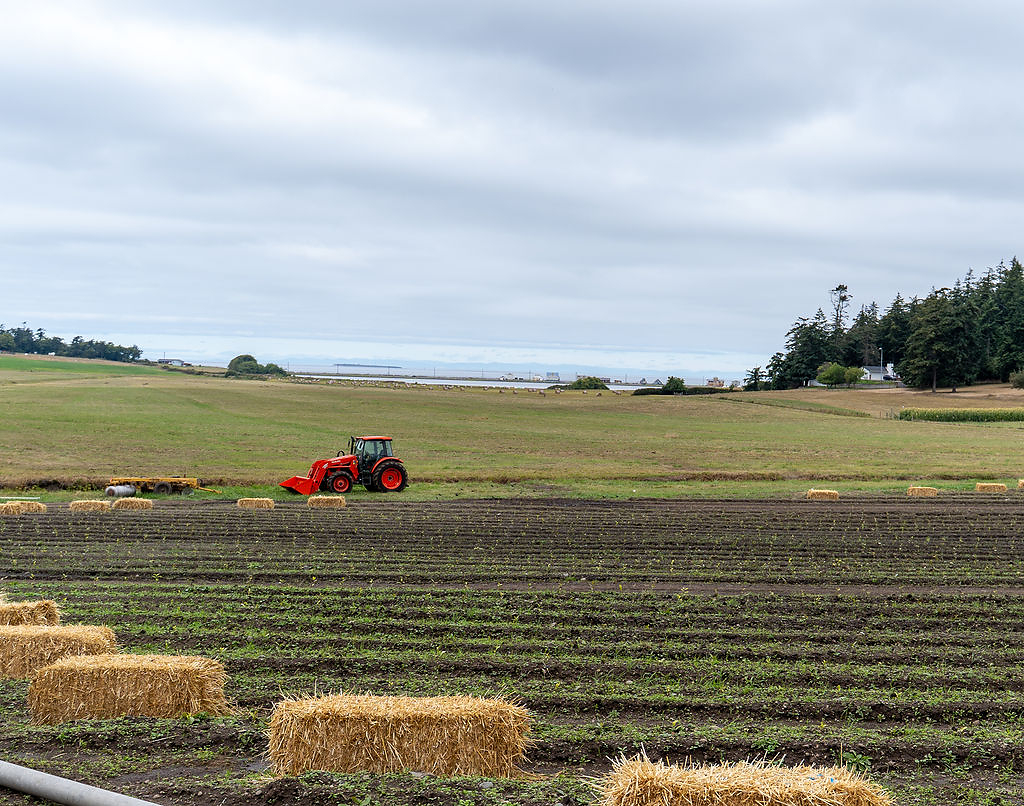
Seattle-based Vale Matcha has planted its first 12,000 tea plants on a 365-acre property on Whidbey Island, Washington, launching what the company describes as the first integrated, commercial-scale matcha-growing and production operation in the United States. The long-term plan calls for cultivating approximately 200 acres of tea — roughly one million plants — and constructing a 30,000-square-foot processing facility in nearby Oak Harbor.
The project, branded Vale Farms, brings together domestic tea cultivation, tencha production, and precision milling under one operational umbrella. For foodservice and hospitality operators tracking specialty beverage supply chains, the development signals a nascent but serious effort to establish a domestic matcha source that could eventually reshape how U.S. buyers access the category.
Supply Chain Origins
Vale's push into agriculture grew directly out of a supply challenge. When the company opened its first café in Seattle in 2025, a global matcha shortage made securing sufficient high-quality product difficult. That experience sent the Vale team to Japan, where they built relationships with producers and developed a working knowledge of tea cultivation and milling. "We went to Japan looking for exceptional matcha and came away with a much deeper appreciation for everything that has to happen before matcha ever reaches the cup," said Luke Larson, Founder and CEO of Vale.
The company's first plant stock was sourced from Tea Hawaii & Company on the Big Island of Hawaiʻi, where co-founders Eva Lee and Chiu Leong have spent 25 years growing Japanese-origin cultivars including Yabukita and Yamatomidori. Lee and Leong are now agricultural partners and advisors to Vale Farms, providing both the stemstock and decades of accumulated growing knowledge. Washington State University research on Pacific Northwest tea viability is also informing the project; WSU Professor Carol Miles noted that field trials have confirmed multiple tea varieties are thriving in the region.
Processing Infrastructure
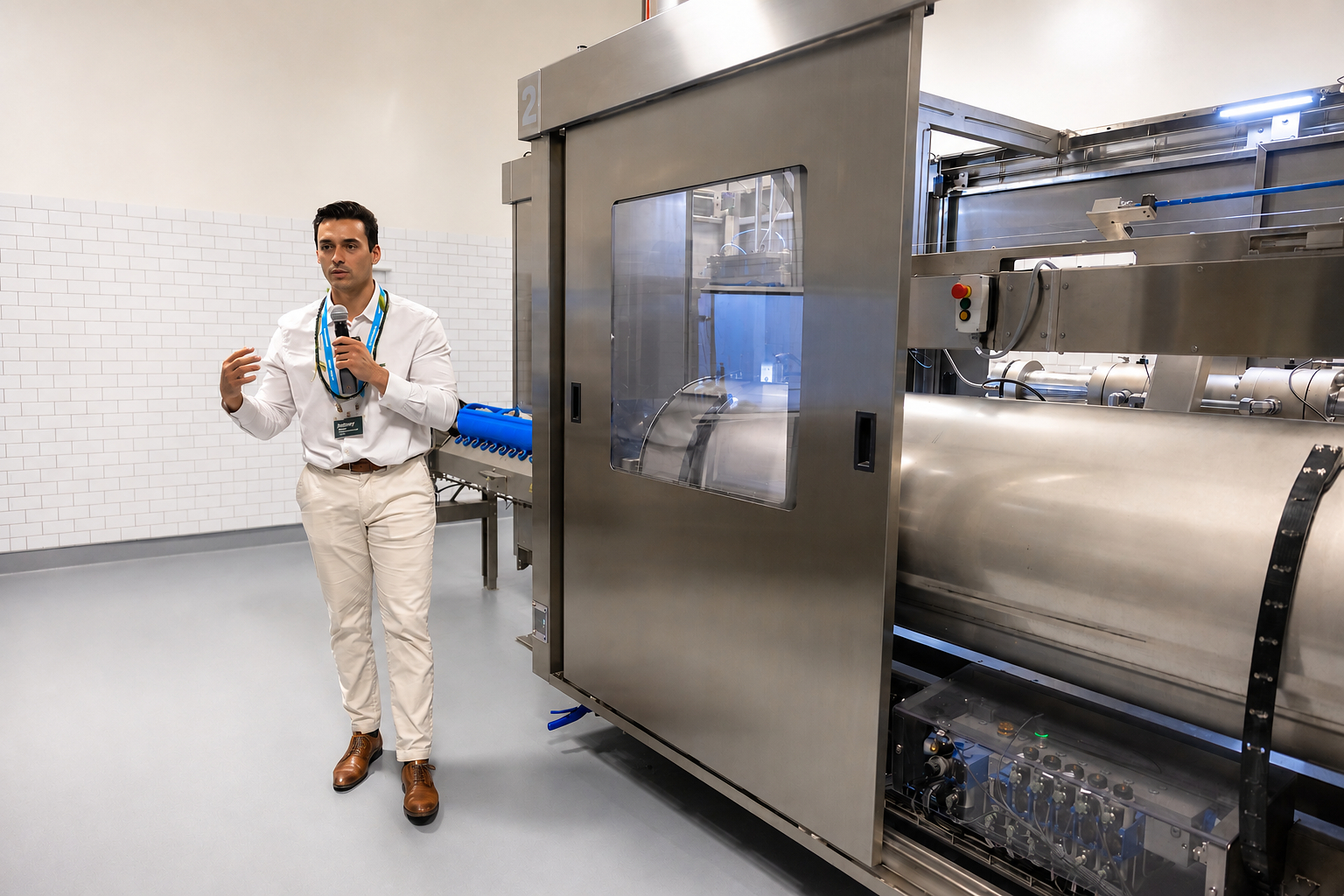
Vale's investment extends well beyond the field. The planned Oak Harbor facility will steam, dry, and process harvested leaves into tencha using equipment developed in partnership with Terada Seisakusho, a Japanese manufacturer of tea-processing equipment. Finished tencha will then travel to Vale's existing SODO-neighborhood facility in Seattle, where the company already precision-mills imported Japanese tencha into matcha. Fife Symington, President of Vale Farms, brings more than three decades of experience in large-scale greenhouse and agricultural operations across North America and will oversee farm development.
Vale is emphatic that Vale Farms supplements — rather than replaces — its existing Japanese sourcing relationships. The company will continue purchasing from its producer partners in Japan regardless of what the domestic farm ultimately yields, positioning Vale Farms as a long-term research and supply-diversification platform rather than an immediate commercial fix.
What It Means for Operators
For restaurant and hospitality buyers, the matcha category has evolved from a niche ingredient to a mainstream menu driver, with beverage industry analysis consistently showing matcha gaining share in both café and full-service restaurant settings. A domestic, vertically integrated matcha source — if Vale Farms reaches commercial scale — could eventually offer operators greater supply stability and traceability than the current import-dependent model allows.
The scale of the ambition is worth noting alongside the timeline. Tea plants typically take years to mature and decades to fully express their terroir, meaning meaningful harvest volumes from Vale Farms remain years away. Still, the parallel investment in processing infrastructure and research partnerships suggests this is a capital-committed, multi-generational project rather than a marketing exercise. Operators and buyers following specialty beverage sourcing and domestic ingredient supply should treat Vale Farms as a development to monitor across a multi-year horizon.
Written by Michael Politz, Author of Guide to Restaurant Success: The Proven Process for Starting Any Restaurant Business From Scratch to Success (ISBN: 978-1-119-66896-1), Founder of Food & Beverage Magazine, the leading online magazine and resource in the industry. Designer of the Bluetooth logo and recognized in Entrepreneur Magazine's "Top 40 Under 40" for founding American Wholesale Floral, Politz is also the Co-founder of the Proof Awards and the CPG Awards and a partner in numerous consumer brands across the food and beverage sector.