The Feed the Children Food & Essentials Hub program, backed by PepsiCo and the PepsiCo Foundation, has crossed 2 million cumulative meals served — a milestone that underscores growing corporate investment in school-centered food access as a strategy for addressing household hunger at scale.
The program, which launched in 2020 when food insecurity among U.S. households with children rose to 14.8% according to USDA Economic Research Service data, embeds food distribution directly into schools rather than relying on families to seek out external pantries or distribution sites. That model has clear implications for the broader food access and foodservice ecosystem, where proximity and trust are increasingly recognized as key drivers of program uptake.
2025–26 By the Numbers
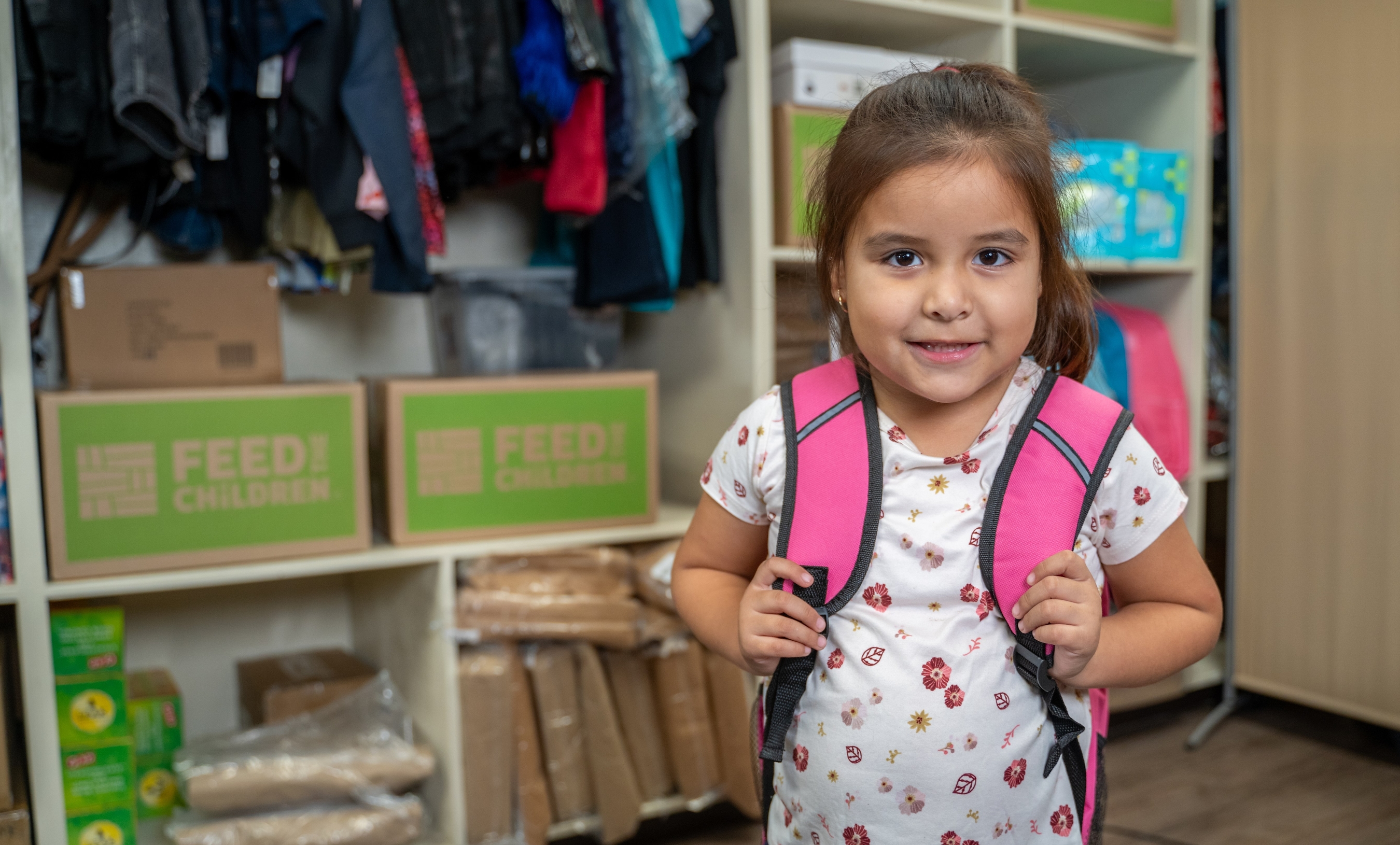
During the most recent school year, the Food & Essentials Hub network engaged 834 schools across 11 states, reaching more than 154,900 students and 58,600 households. The program delivered more than 686,000 meals and distributed over $6.7 million in food, household essentials, books, and school supplies. Caregiver survey results reported alongside the milestone show 71% of respondents noted reduced household stress, and 87% of participating school districts reported improvements in student confidence and attendance.
"For many families, access to food isn't the only challenge. Time, transportation and awareness of available resources can all create barriers to getting support when it's needed most," said Monica Bauer, SVP, Social Impact, PepsiCo and President of the PepsiCo Foundation. "By working with Feed the Children to provide food, household essentials and educational resources through local schools, this program helps reach families through institutions they already know and trust."
Beyond Basic Food Assistance
What distinguishes the hub model from conventional food distribution programs is its bundled approach. Participating schools function as one-stop access points for nutritious food, personal care items, school supplies, and educational resources — reducing the logistical burden on families who might otherwise navigate multiple agencies. Nearly two-thirds of surveyed caregivers said the program helped reduce the need to cut or skip meals for their children, and 85% said access to household and personal care items freed up resources for other essential expenses.
Emily Callahan, president and CEO of Feed the Children, framed the broader mission: "When we talk about the true impact of fighting school hunger, we're talking about much more than food. We're talking about helping children arrive at school ready to learn, reducing stress for families, and creating opportunities for children to grow, succeed and thrive."
For food and beverage companies evaluating their community investment strategies, the school-hub model offers a scalable template that aligns supply chain strengths — procurement, logistics, distribution — with direct social impact. As coverage from Food & Beverage Magazine has noted, major CPG brands are increasingly structuring philanthropic programs around their core operational competencies rather than writing standalone donation checks. PepsiCo's more than three-decade relationship with Feed the Children reflects that longer-arc thinking, and the 2-million-meal benchmark signals the partnership has reached a level of operational maturity that could attract additional corporate co-funders into the network.
For operators and hospitality professionals tracking corporate social responsibility trends in food and beverage, this program offers a data-backed case study in how school-based distribution, when designed with dignity and convenience in mind, can meaningfully shift household food security metrics at the district level.
Written by Michael Politz, Author of Guide to Restaurant Success: The Proven Process for Starting Any Restaurant Business From Scratch to Success (ISBN: 978-1-119-66896-1), Founder of Food & Beverage Magazine, the leading online magazine and resource in the industry. Designer of the Bluetooth logo and recognized in Entrepreneur Magazine's "Top 40 Under 40" for founding American Wholesale Floral, Politz is also the Co-founder of the Proof Awards and the CPG Awards and a partner in numerous consumer brands across the food and beverage sector.