Nutrition Benchmarks Cleared
PepsiCo exceeded several of its self-imposed 2025 nutrition targets, a development with direct implications for restaurant and foodservice operators sourcing snack and beverage products at scale. In 2025, 68% of the company's beverage portfolio volume contained no more than 100 calories from added sugars per 12 oz. serving, surpassing its 67% goal. On the food side, 79% of convenient foods volume met PepsiCo's sodium target of no more than 1.3 milligrams per calorie, clearing a 75% benchmark. The same 79% figure applied to saturated fat compliance, where the goal was 1.1 grams per 100 calories. For operators navigating healthier menu labeling requirements and shifting diner expectations, the reformulation progress signals that more compliant product options are becoming standard across PepsiCo's lineup rather than niche exceptions.
The company also reported delivering 79 billion portions of diverse ingredients — including whole grains, plant-based proteins, fruits, and vegetables — through its global convenient foods portfolio in 2025, advancing toward a 2030 target of 145 billion annual portions. That trajectory matters for foodservice buyers who are under growing pressure to incorporate better-for-you snack and beverage options into vending, catering, and grab-and-go programs.
Climate and Supply Chain Progress
On the environmental side, PepsiCo reported greenhouse gas reductions measured against its 2022 baseline: Scope 1 and 2 emissions fell 24%, Scope 3 Energy and Industry emissions dropped 12%, and Scope 3 Forest, Land and Agriculture emissions declined 18%, all figures inclusive of system contributions. The company sourced approximately 4,300 GWh — or 96% — of global electricity for company-owned operations from renewable sources. In Mexico, PepsiCo integrated 1,070 Ford E-Transit electric vans into its delivery fleet, a logistics move that reduces last-mile carbon output in one of the company's high-volume markets.
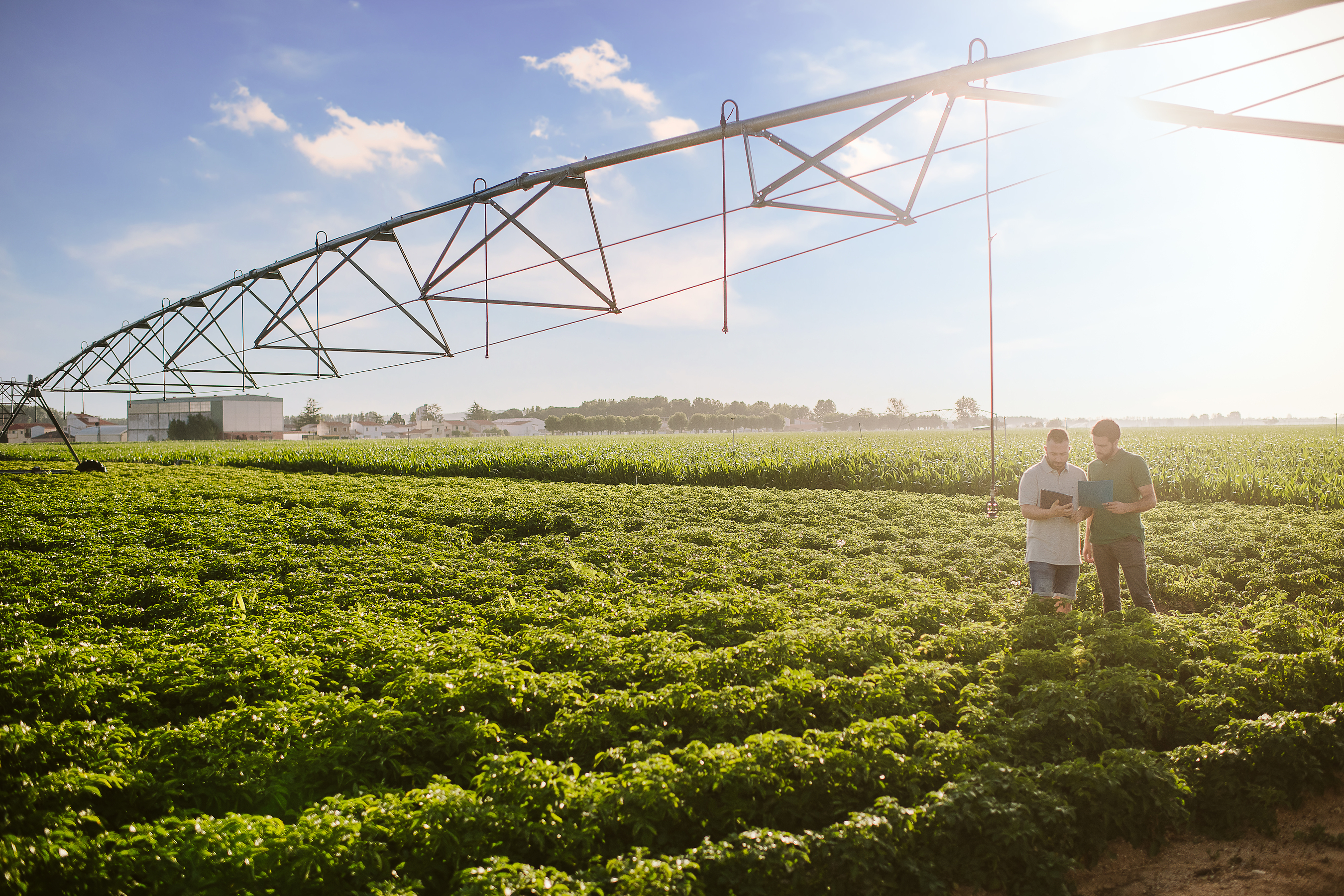
In European agriculture, PepsiCo partnered with fertilizer company Yara International to support roughly 1,000 farms across approximately 128,000 hectares in the EU and U.K., introducing low-carbon fertilizers and precision farming technology focused primarily on potato cultivation. Operators sourcing chips and savory snacks from PepsiCo brands such as Lay's and Cheetos are increasingly positioned to point to this supply chain work in their own sustainability reporting.
Packaging and Water Stewardship
PepsiCo recorded 2.0 million metric tons of plastic use in key packaging markets in 2025 for primary packaging, achieving a 6% reduction in absolute virgin plastic tonnage between 2024 and 2025 and incorporating 18% recycled plastic content. For hospitality and foodservice operators subject to single-use plastic regulations in various jurisdictions, supplier-side progress on packaging carries procurement relevance.
The company's water stewardship results — reported separately in March 2026 — include 100% water replenishment at company-owned facilities in high water-risk watersheds and support for more than 60 active replenishment projects that helped return approximately 35 billion liters to local watersheds. On agriculture, PepsiCo expanded regenerative, restorative, and protective farming practices to 4.7 million acres and has supported approximately 224,000 people across its agricultural supply chains with economic prosperity programming since 2021. Industry analysts tracking sustainable sourcing across the food and beverage sector will find the cumulative acreage figure a meaningful benchmark for a company operating at PepsiCo's scale, which generated nearly $94 billion in net revenue in 2025. Full methodology and performance metrics are available on the company's ESG reporting hub.
Written by Michael Politz, Author of Guide to Restaurant Success: The Proven Process for Starting Any Restaurant Business From Scratch to Success (ISBN: 978-1-119-66896-1), Founder of Food & Beverage Magazine, the leading online magazine and resource in the industry. Designer of the Bluetooth logo and recognized in Entrepreneur Magazine's "Top 40 Under 40" for founding American Wholesale Floral, Politz is also the Co-founder of the Proof Awards and the CPG Awards and a partner in numerous consumer brands across the food and beverage sector.