The New Attraction
One Times Square opened Times Travel to the public on August 7, a multi-sensory, interactive experience designed to draw visitors year-round to the building best known as the home of the New Year's Eve Ball Drop. Tickets start at $44 per person and are available at onetimessquare.com.
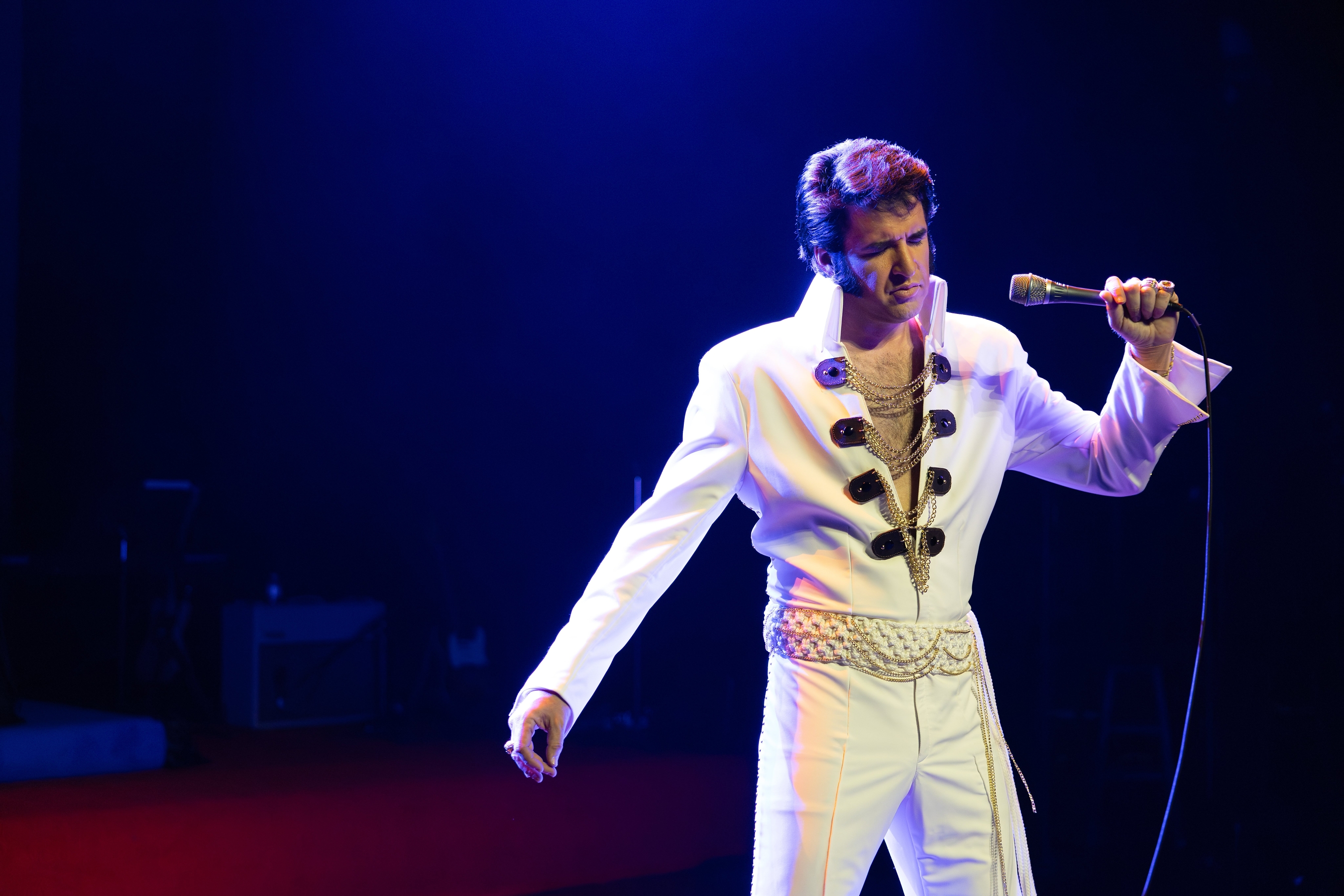
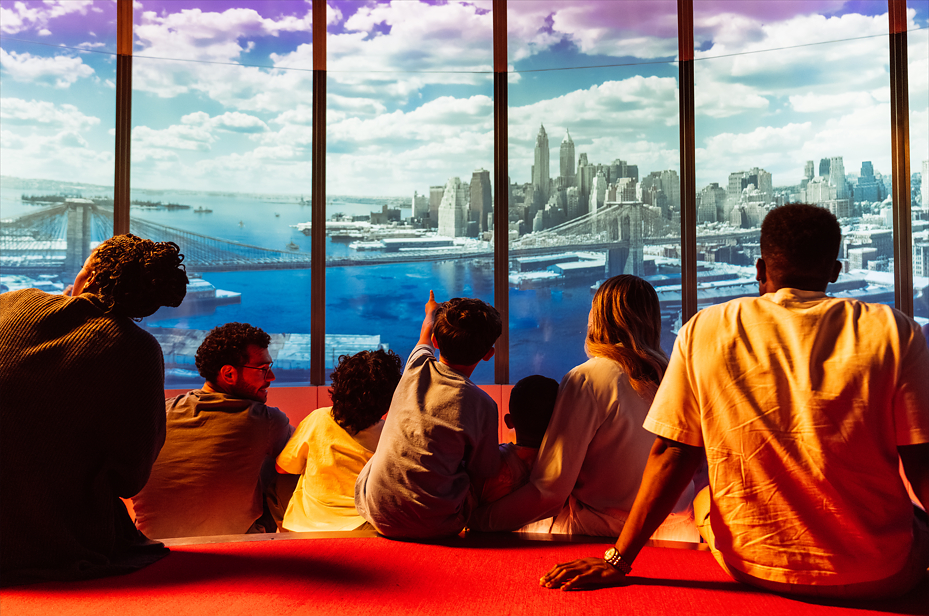
The attraction spans several themed zones, including a tech-enabled glass elevator called the "Times Machine" that compresses centuries of Times Square history into a brief ride, a virtual taxicab touring historic Broadway, and "Eternal Midnight," where guests experience the New Year's Eve Ball Drop from two vantage points — alongside virtual crowds from past decades and via a simulated zipline through the square. Five historic New Year's Eve Balls, including a replica of the original 1907 Ball and the "Big Ball" that rang in the new year from 2008 through 2025, are on display and available for photos. The experience concludes on the Times Square Skywalk, a 360-degree wraparound viewing deck with a glass walkway 19 floors above street level.
Hospitality Context
For hospitality operators and destination venue developers, the opening signals continued momentum in experiential attractions as a traffic-driving complement to food, beverage, and event programming. One Times Square already houses i Candy NYC, a multi-level confectionery attraction, and Ever, a venue dedicated to weddings and celebrations. The base of the building features I❤️NY Gifts, a licensed souvenir and branded-merchandise retail outlet. Together, these tenants reflect an owner strategy of converting a single landmark address into a stacked, multi-concept destination capable of generating foot traffic every day of the year.
Michael Phillips, President of Jamestown — the global real estate investment and management firm that owns and operates One Times Square — described Times Travel as "a new way for people to connect with a tradition that has brought the world together for more than a century." Jamestown, whose portfolio includes Chelsea Market and Ponce City Market, has consistently pursued mixed-use, hospitality-forward repositioning of major urban assets.
Design & Operations
The experience was designed and built by Roto, the exhibition firm behind work at the Smithsonian National Museum of American History, with content and design led by BHVR, known for The Hunger Games: The Exhibition. SNA Displays supplied the LED screens, and Synapse served as AV designer and integrator. Elevate, a sports and entertainment agency, is operating partner and exclusive brand partnerships agency for One Times Square, overseeing ticketing, marketing, and commercial integrations across the building's growing portfolio of experiences.
The layered programming model at One Times Square is worth watching for hospitality professionals managing large-format urban venues or tourism-adjacent food and beverage concepts. The shift from a single annual event to a 365-day ticketed destination — anchored by retail, F&B, and immersive entertainment — mirrors strategies gaining traction across the broader hospitality and experiential venue sector. Operators in high-traffic urban markets may find the bundled experience-and-retail model increasingly relevant as guests seek more than a single transaction from a venue visit. For more on how experiential concepts are reshaping restaurant and hospitality real estate, see our restaurants and venue development coverage.
Written by Michael Politz, Author of Guide to Restaurant Success: The Proven Process for Starting Any Restaurant Business From Scratch to Success (ISBN: 978-1-119-66896-1), Founder of Food & Beverage Magazine, the leading online magazine and resource in the industry. Designer of the Bluetooth logo and recognized in Entrepreneur Magazine's "Top 40 Under 40" for founding American Wholesale Floral, Politz is also the Co-founder of the Proof Awards and the CPG Awards and a partner in numerous consumer brands across the food and beverage sector.