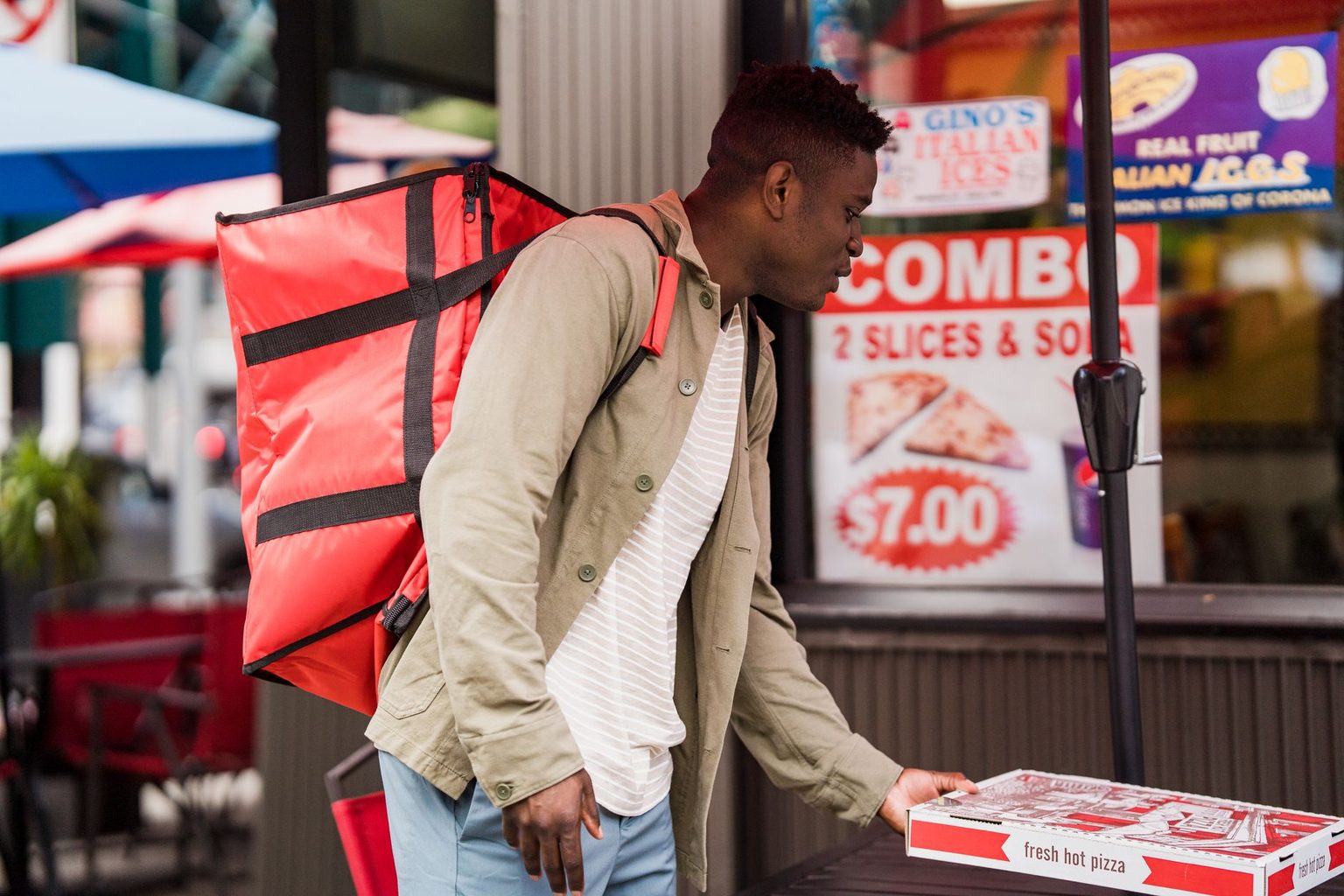
Off-Premises Shifts From Pandemic Lifeline to Core Business Off-premises revenue—delivery, carryout, and catering—has moved from the edge of restaurant P&Ls to the center. According to the National Restaurant Association, nearly 75 percent of all restaurant traffic now occurs off-premises, with 58 percent of limited-service operators and 41 percent of full-service operators reporting that the channel represents a larger share of sales than it did in 2019. TouchBistro's 2026 State of Restaurants Report found that 81 percent of independent full-service operators saw takeout and delivery sales increase in 2025. The question operators face is no longer whether to invest in off-premises, but how to do so without eroding profit margins, customer relationships, or operational capacity.
Platform Mix: Third-Party Reach vs. First-Party Retention Third-party marketplaces offer reach and discovery but carry commission rates that can eliminate ticket margin. First-party channels—branded apps, websites, and kiosks—preserve revenue and customer data but require marketing investment to fill. In catering alone, marketplace orders have grown from 12.8 percent of volume in 2021 to a projected 36 percent in 2026, according to ezCater's 2026 State of Catering report, which surveyed more than 100 restaurant brands and 8,000 locations. Yet those marketplace orders carry values 6 to 8 percent lower than first-party orders. Operators winning this trade-off treat marketplaces as an acquisition engine and first-party ordering as retention. The National Restaurant Association found that 65 percent of drive-thru users and more than 60 percent of takeout and delivery users say membership or loyalty programs influence where they order. Nearly nine in ten consumers would take advantage of app-only limited-time offers. Channel-specific menu pricing, packaging inserts promoting direct ordering, and first-order discounts on a brand's app also move guests from marketplace to owned channels.
Measurement: The Missing Piece Operators often track gross sales by channel or commission spend, but few connect marketing cost to net contribution margin per order. Off-premises visibility depends on measuring the right metrics: net margin by channel after fees and packaging, order accuracy and remake rates, quote-to-actual fulfillment time, repeat-order rate by channel, customer acquisition cost on first-party platforms, and catering pipeline conversion. A practical hierarchy helps: fulfillment time, accuracy, and channel sales reviewed daily; margin by channel and repeat rates reviewed weekly; and acquisition cost, platform fees, and promotion lift reviewed quarterly.
Three Distinct Economics Catering is the highest-upside segment.
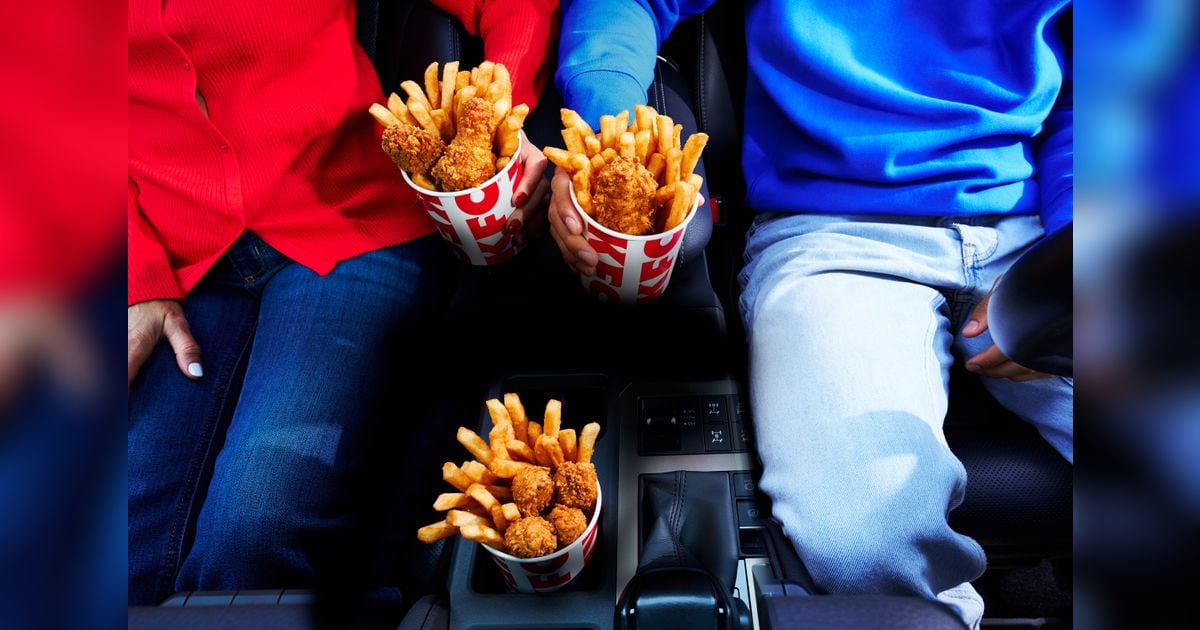
Projected to grow 5.3 percent annually through 2032—well ahead of the 3 percent pace of broader restaurant industry growth—catering had top-performing brands posting 10 to 20 percent year-over-year growth in Q1 2026. Average catering order values sit around $416, and the business is concentrated: 60 percent of orders come from just 5 percent of customers. Yet operators report real obstacles around order management, production scheduling, and sales capacity. In-house catering delivery has risen to 53 percent of fulfillment, up from 31 percent in 2021, while catering-specific delivery providers have grown from 4 percent to 21 percent of the mix. Brands pulling ahead are professionalizing the function with dedicated ordering platforms, house accounts, and dedicated delivery logistics. Carryout remains the workhorse with the best margins and least friction. Two-thirds of Gen Z and millennial diners tell the National Restaurant Association that takeout is essential to their lifestyle, and nearly six in ten younger consumers use takeout or drive-thru at least weekly. Sixty-seven percent of rural consumers say they want more takeout options. Operators are responding: 43 percent of full-service restaurants expect curbside pickup to grow, 31 percent anticipate expanding dedicated takeout counters, and 12 percent foresee adding drive-thru lanes. Designated parking, pickup shelving, and real-time order-status notifications are becoming table stakes. Delivery is the growth driver and margin challenge. Sixty-five percent of limited-service operators now offer it. Consumer expectations are unforgiving: 94 percent of off-premises customers cite speed as critical, 90 percent say they would order more if delivered food matched in-restaurant quality, and more than half would pay a premium for packaging that protects food quality.
Operationalizing Order Data Every off-premises order generates a trail of data: what was ordered, when, through which channel, at what price, with modifications, and fulfillment time. Most operators collect that data; few do anything systematic with it. Order data reveals which items travel poorly and should be trimmed from delivery menus, which high-margin add-ons bundle naturally, and where channel-specific pricing makes sense. The National Restaurant Association's research suggests consumers are receptive: 67 percent express interest in bundled meals, 70 percent in meal kits, and 62 percent in subscription offerings. The same data should drive staffing and scheduling around real demand curves and power personalized marketing. Fragmented systems and data trapped inside third-party platforms often block the way, but the fix is usually integrations and a weekly reporting routine a general manager can act on.
Technology: Tools That Serve Strategy Off-premises technology is moving quickly—AI-assisted ordering, voice-based phone systems, dynamic pricing, automated dispatch, and smart pickup lockers. The National Restaurant Association found that 57 percent of adults have used mobile ordering recently (74 percent of millennials, 65 percent of Gen Z), 75 percent of delivery customers value tech-enabled ordering and payment, and roughly half of Gen Z and millennials would consider ordering through an AI video assistant. Operators seeing results focus innovation on improving channel mix, metrics clarity, execution in each off-premises business, and smarter use of operational data. Pilots that cannot be measured against one of those outcomes rarely earn a second quarter of budget.
Why It Matters
Consumer expectations for convenience are not retreating, labor remains tight, and marketplace commission rates keep climbing. In that environment, off-premises strategy is a core operating discipline touching menu, labor, real estate, technology, and brand. Operators who treat delivery, carryout, and catering as distinct business units—each with its own metrics, playbook, and path to sustainable growth—will outpace those managing them as a single line item.
For more insights and trends in the food and beverage sector, check out more articles in The Food & Beverage Magazine family of publications.
Written by FBM Publications Editors