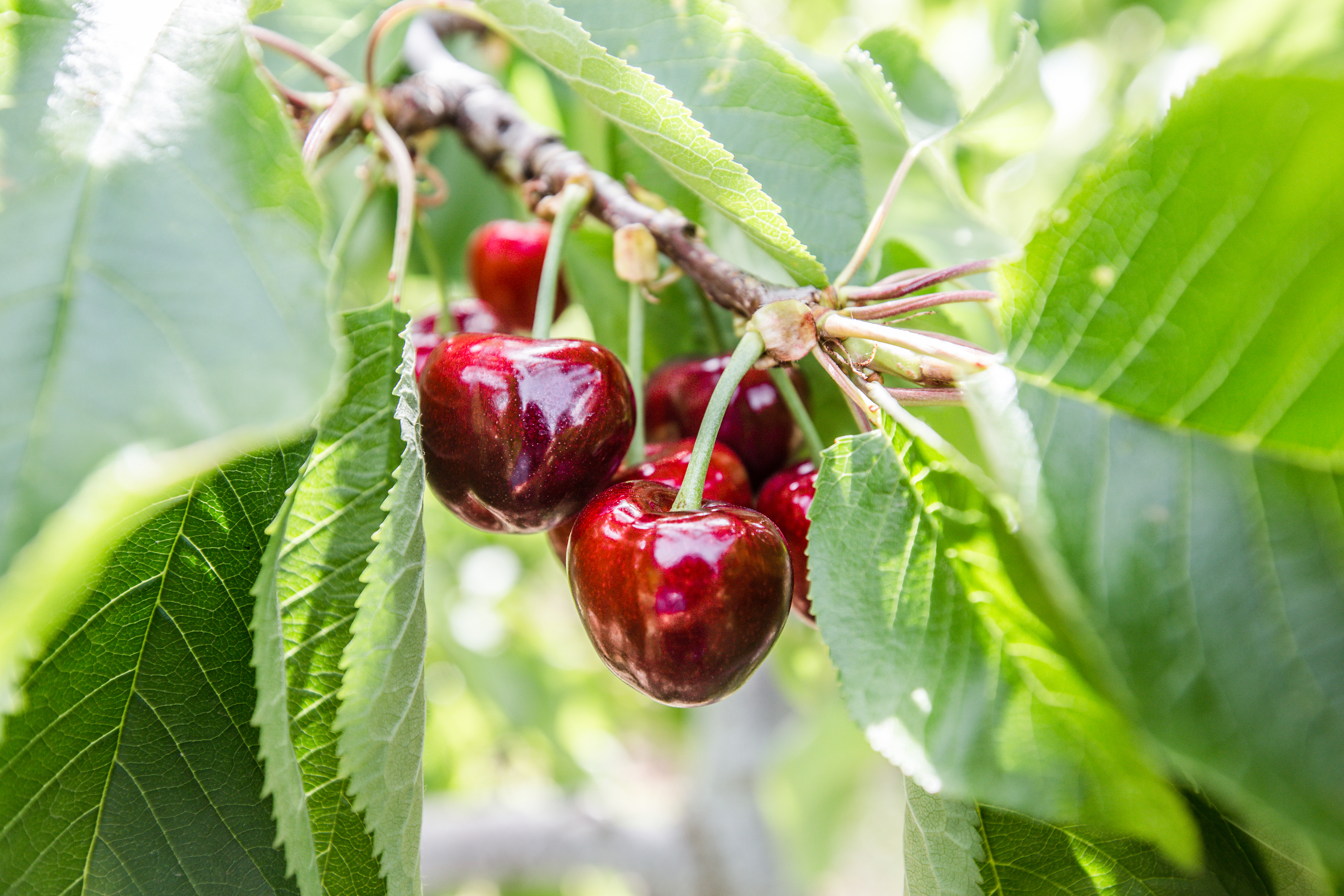
Fresh Northwest sweet cherries are entering their final weeks on retail shelves, signaling the close of the 2026 harvest season. For foodservice operators and grocery buyers, the window to secure peak-quality fruit at full flavor is narrowing — and industry representatives say now is the time to act.
Northwest Cherry Growers — a growers' organization representing 2,200 producers across Washington, Oregon, Idaho, Utah, and Montana — notes that the region supplies more than 70% of the fresh cherries found in stores nationwide. Despite tightening supplies across several growing regions, the organization says this season's fruit has maintained the size, flavor, and quality the Northwest is known for.
Freezing as a Supply Strategy
For operators looking to keep cherries on menus into the fall and winter, freezing fresh fruit at peak ripeness is the most practical option. Frozen cherries retain key nutrients — including vitamin C, anthocyanins, and antioxidants — making them a viable substitute in a wide range of applications. Smoothies, baked goods, grain bowls, yogurt parfaits, and salad toppings are all well-suited to frozen product, giving culinary teams flexibility long after the fresh season ends.
Caroline Thomason, a registered dietitian and certified diabetes care and education specialist quoted in Northwest Cherry Growers' release, points to the antioxidant profile of dark cherry varieties as a selling point for health-forward menus. Anthocyanins — the pigments responsible for the fruit's deep red color — have been studied for anti-inflammatory properties, a detail that translates well into wellness-oriented menu narratives.
Storage and Handling Tips
Katherine Carter, owner of Carter Orchards in The Dalles, Oregon, and a Northwest cherry farmer for more than 50 years, offers straightforward guidance for those handling fresh product in the final weeks of the season: keep stems intact and refrigerate immediately. Removing the stem creates an opening in the fruit's skin that accelerates deterioration. For product destined for the freezer, however, Carter recommends removing both stems and pits before storage to simplify downstream prep.
Sweetened dried cherries represent a second year-round option for operators who want the flavor profile without the freezer management. Dried product integrates easily into trail mixes, charcuterie boards, grain salads, and oatmeal-based menu items — formats that continue to perform across fast-casual and full-service restaurant segments.
From a nutritional standpoint, sweet cherries offer a low glycemic index alongside fiber, hydration, and bioactive polyphenols. Research has linked cherry consumption to reduced exercise-induced muscle soreness — a positioning angle that resonates with athletic-focused foodservice accounts and sports nutrition retail.
Operators and buyers sourcing for the off-season can find preservation guidance, recipe applications, and category health information at nwcherries.com. For broader context on seasonal produce sourcing and beverage and food ingredient trends, the team at Food & Beverage Magazine tracks how regional harvest cycles affect menu development across foodservice channels.
Written by Michael Politz, Author of Guide to Restaurant Success: The Proven Process for Starting Any Restaurant Business From Scratch to Success (ISBN: 978-1-119-66896-1), Founder of Food & Beverage Magazine, the leading online magazine and resource in the industry. Designer of the Bluetooth logo and recognized in Entrepreneur Magazine's "Top 40 Under 40" for founding American Wholesale Floral, Politz is also the Co-founder of the Proof Awards and the CPG Awards and a partner in numerous consumer brands across the food and beverage sector.