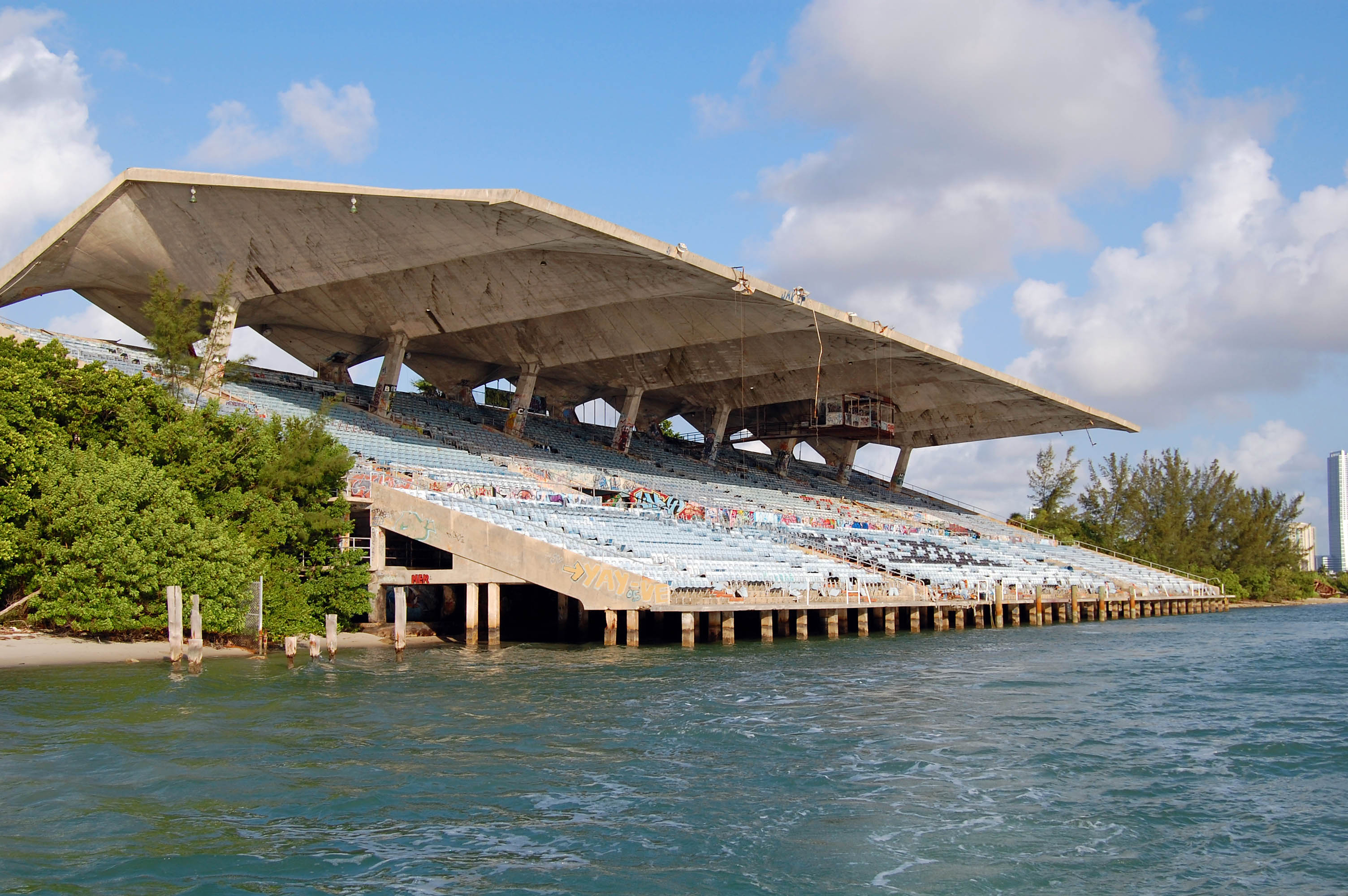
Miami voters on Aug. 18, 2026, approved ballot Item #172, unlocking the path to restore Miami Marine Stadium — a waterfront landmark shuttered since Hurricane Andrew devastated it in 1992. The vote, which capped a sustained campaign by advocacy group Bring Back Marine Stadium, authorizes Oak View Group and its local partner Breakwater Hospitality Group to move forward with one of the city's most closely watched cultural revitalization projects.
What the Vote Authorizes
The referendum does not greenlight construction outright, but it sets two simultaneous workstreams in motion. First, Oak View Group will negotiate a management contract for the existing Flex Park on Virginia Key. Second, the development team will launch a comprehensive study and visioning process — working alongside the City of Miami, preservation partners, and local business and creative leaders — to determine the final program for a renovated stadium that could host concerts, community events, and large-scale public gatherings.
Greg O'Dell, President of Venue Management at Oak View Group, framed the project in terms of both cultural legacy and economic return. "Miami Marine Stadium is more than a venue, it's a symbol of Miami's vibrant history and future," O'Dell said. "We aim to support the city of Miami in honoring its legacy while creating a vibrant space that will serve generations to come, celebrate local culture, and drive economic growth across the region."
Hospitality and F&B Implications
For operators, the stadium restoration represents a significant future opportunity in one of the country's most competitive hospitality markets. Large-scale live-event venues of this profile routinely anchor substantial food and beverage programming — from permanent concession infrastructure to curated local restaurant partnerships and premium hospitality clubs. Breakwater Hospitality Group's involvement as the Miami-based partner signals that locally rooted food and beverage concepts are likely to play a central role in the venue's identity.
Virginia Key's broader Flex Park footprint also suggests opportunities for outdoor dining, pop-up activations, and event-driven F&B that go beyond traditional arena concessions. That model — pairing live entertainment with destination-quality food and hospitality — has driven strong revenue performance at comparable restored or newly built waterfront venues across the country, a trend tracked closely in restaurant and hospitality industry analysis.
Miami Commissioner Damian Pardo, who championed the restoration from the start of his tenure, called the vote "a truly magical moment for the Magic City" and pledged to remain involved through every phase of development. The project now enters a planning and negotiation phase, with no construction timeline yet announced.
For hospitality professionals watching the evolution of large-venue food and beverage programming, Miami Marine Stadium will be a project worth tracking closely as design and operator-selection decisions emerge in the months ahead.
Written by Michael Politz, Author of Guide to Restaurant Success: The Proven Process for Starting Any Restaurant Business From Scratch to Success (ISBN: 978-1-119-66896-1), Founder of Food & Beverage Magazine, the leading online magazine and resource in the industry. Designer of the Bluetooth logo and recognized in Entrepreneur Magazine's "Top 40 Under 40" for founding American Wholesale Floral, Politz is also the Co-founder of the Proof Awards and the CPG Awards and a partner in numerous consumer brands across the food and beverage sector.