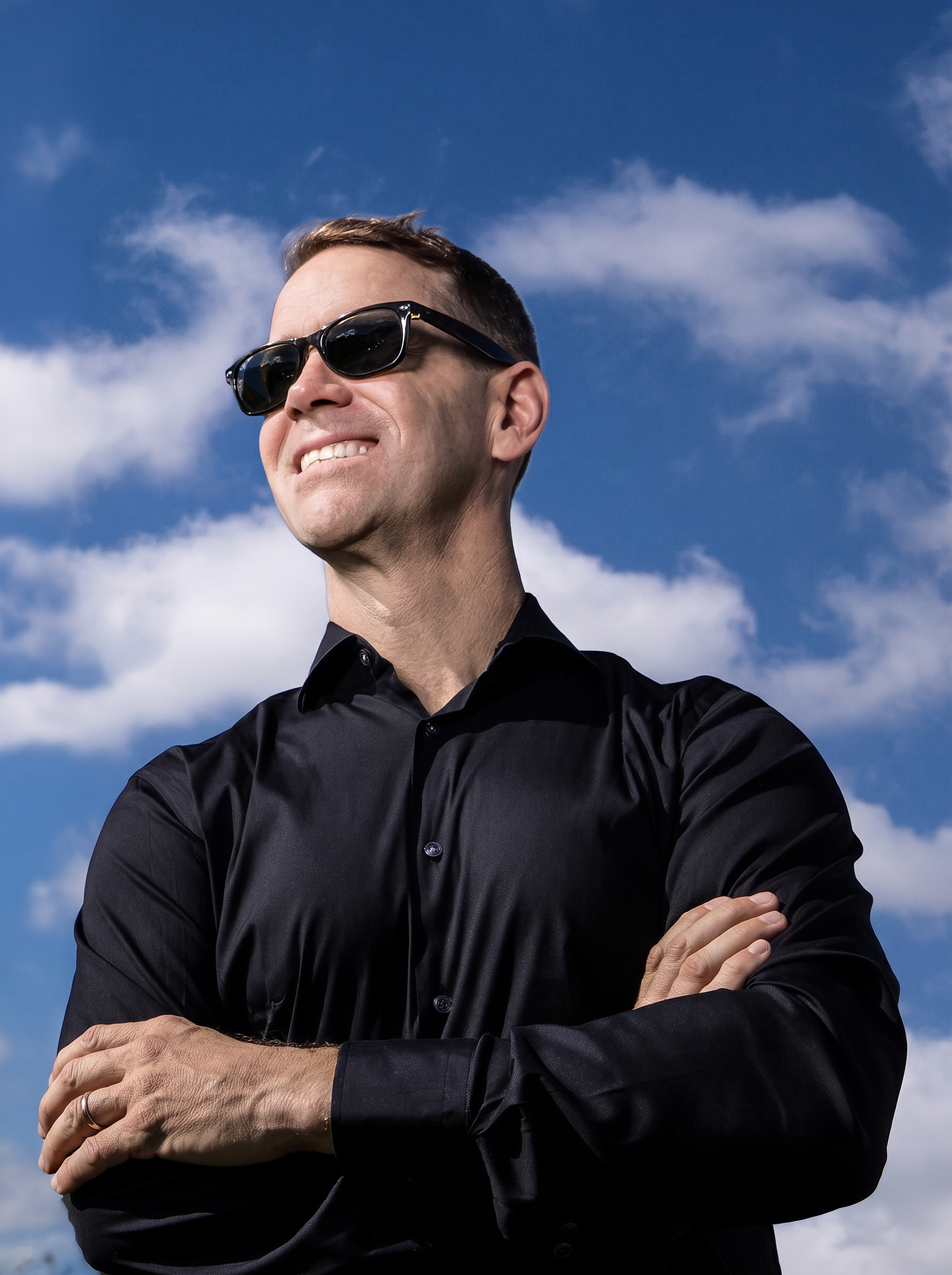
John Padgett, the technologist behind Disney's MagicBand, FastPass+, and Carnival's Princess Medallion, has launched Spaxial, a privately funded startup building what it calls an Experiential AI platform for high-density hospitality and entertainment venues — including cruise lines, destination casinos, resorts, stadiums, and theme parks.
The launch positions Spaxial as a new category entrant at the intersection of physical AI and the hospitality guest experience, arguing that the industry has applied AI almost exclusively to booking flows, call centers, and back-office cost reduction — leaving the actual guest encounter largely untouched by intelligent automation.
The Operator Problem
Padgett frames the core challenge in terms operators will recognize immediately: a major property may run dozens of transaction systems — property management, reservations, point-of-sale, CRM, retail — yet none of them can answer the foundational hospitality question in the moment a guest walks into a room or up to a service counter. "The leisure travel and entertainment industry is infusing AI into the call centers and the back office, and that certainly helps with cost efficiencies, but true topline value is created in front of the guest via better service delivery," said Padgett, Spaxial's founder and CEO. "That's where Spaxial is focused."
The platform is built around edge-deployed AI models rather than cloud-based large language models, a deliberate architecture choice. General-purpose LLM platforms, Padgett argues, break down in physical venue environments because they lack real-time operational context and cannot meet the sub-second response latency required when a staff member is standing in front of a guest. Spaxial combines ultra-wideband and LiDAR-based precise location awareness, a blockchain-based digital identity layer, and discreet wearable technology to create what the company describes as a continuous loop: recognize the guest, understand the context, orchestrate a response across the operation, stage the experience, and learn from each interaction.
Built for the Front Line
Critically for hospitality operators evaluating the platform, Spaxial is designed to sit on top of existing technology stacks rather than requiring replacement of legacy systems — a major barrier to adoption that has stalled many enterprise hospitality technology rollouts. Employees receive real-time contextual cues through the platform; the AI recommends, but humans decide and act. Privacy is opt-in, guest-owned, and includes an on-demand deletion option, addressing a consent concern that has complicated biometric and personalization deployments across the restaurant and hospitality sectors.
B. Joseph Pine II, co-author of the foundational Experience Economy framework, offered an endorsement that speaks directly to the revenue thesis: "While much of today's AI investment focuses on improving operational efficiencies, Spaxial is applying AI to increase the value of the experience itself."
For operators, the implied commercial logic is straightforward — personalization raises the value of individual interactions, reducing friction increases consumption, and stronger emotional connections drive repeat visitation and brand loyalty. Those outcomes matter equally whether the venue is a cruise ship dining room, a casino floor, or a resort spa, putting Spaxial squarely in the conversation around AI-driven guest experience strategy that is reshaping expectations across foodservice and hospitality.
Spaxial is developing its platform at SpaxialWorks, a Fort Lauderdale-based innovation hub drawing technology teams from 12 countries, with an AI lab, device shop, experience design studio, and demonstration arena on site. The company is privately funded and did not disclose financial terms or a commercial launch timeline.
Written by Michael Politz, Author of Guide to Restaurant Success: The Proven Process for Starting Any Restaurant Business From Scratch to Success (ISBN: 978-1-119-66896-1), Founder of Food & Beverage Magazine, the leading online magazine and resource in the industry. Designer of the Bluetooth logo and recognized in Entrepreneur Magazine's "Top 40 Under 40" for founding American Wholesale Floral, Politz is also the Co-founder of the Proof Awards and the CPG Awards and a partner in numerous consumer brands across the food and beverage sector.