Illinois is set to remove low-dose, hemp-derived THC-infused beverages from licensed retail shelves on Nov. 12, 2026—a full month before federal restrictions are scheduled to take effect on Dec. 11. Total Wine & More CEO Ryan Ross is calling the move a dangerous overcorrection that will push consumer demand underground rather than eliminate it.
The state's approach reclassifies these beverages as cannabis and caps THC at 0.4 milligrams per container, a stricter standard than the pending federal framework. The result: approximately 1,000 licensed retail locations across Illinois—including Total Wine & More, Target, Circle K, Binny's, United Center, and Navy Pier—must pull the category from shelves. The annual retail value of those sales exceeds $50 million, and roughly 70% of Illinois breweries either produce or have expressed interest in producing these products, according to the Brewers Guild.
The Market at Stake
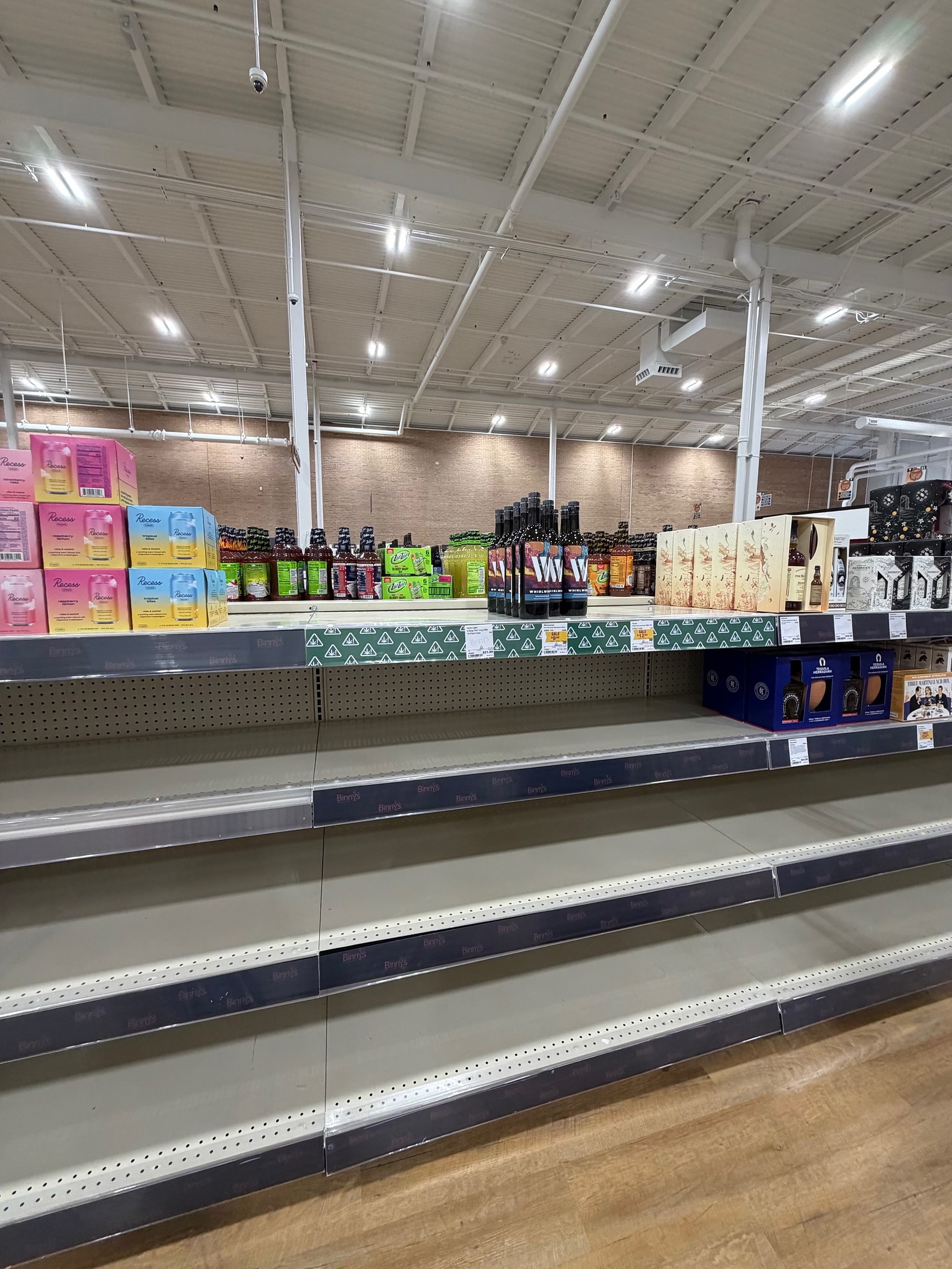
Shoppers scrambling to stock up before the Nov. 12 deadline have already created visible sell-through at Chicago-area stores, a clear signal of sustained consumer demand. The broader U.S. market for hemp-derived THC beverages is valued at $289 million and growing, making Illinois' exit from the regulated channel commercially significant for beverage manufacturers, distributors, and licensed retailers operating in the state.
"Our customers buying these beverages are veterans, seniors, soccer moms and busy parents. They are responsible adults who deserve trusted access to these products," Ross said. His company is pushing Illinois legislators and Congress to mandate age-gated sales, product testing, potency limits, and exclusive use of U.S.-grown hemp and naturally occurring Delta-9 THC as conditions of sale—not prohibition.
The Regulatory Argument
Total Wine & More is framing its advocacy around the beverage industry's existing compliance infrastructure. Ross argues the three-tier system that has governed beer, wine, and spirits sales for nearly a century provides a ready-made model for low-dose THC beverages. "America already has a solution," he said. "For nearly 100 years, the three-tier system used for alcoholic beverages has enabled safe sales of beer, wine and spirits. It's time to apply that same framework to low-dose THC beverages."
The argument carries weight for hospitality and foodservice operators already navigating the rapidly evolving beverage industry landscape. Hemp-derived THC drinks have emerged as a meaningful non-alcoholic and low-ABV alternative category for on-premise accounts, event venues, and specialty retailers. Illinois' ban removes the category entirely from licensed channels, leaving curious consumers with fewer regulated options.
The episode also highlights the compliance complexity facing multi-state beverage retailers and distributors as state and federal timelines diverge. For operators tracking similar regulatory developments, restaurant and hospitality beverage compliance coverage remains a critical resource as the Dec. 11 federal deadline approaches. Food & Beverage Magazine has also been tracking the hemp-beverage category's rapid expansion across retail and foodservice channels.
Total Wine & More operates more than 300 stores across 30-plus states and reports approximately $6 billion in annual revenue, making its public stance on this regulatory fight a significant industry signal for suppliers, distributors, and policy advocates alike.
Written by Michael Politz, Author of Guide to Restaurant Success: The Proven Process for Starting Any Restaurant Business From Scratch to Success (ISBN: 978-1-119-66896-1), Founder of Food & Beverage Magazine, the leading online magazine and resource in the industry. Designer of the Bluetooth logo and recognized in Entrepreneur Magazine's "Top 40 Under 40" for founding American Wholesale Floral, Politz is also the Co-founder of the Proof Awards and the CPG Awards and a partner in numerous consumer brands across the food and beverage sector.
Frequently Asked Questions
When exactly do Illinois retailers have to pull hemp-derived THC beverages from shelves?
November 12, 2026—a full month before the federal restriction deadline of December 11, 2026. That means Total Wine & More, Target, Circle K, Binny's, and roughly 1,000 other licensed locations across Illinois lose the category in less than a year.
What's the dollar impact of Illinois' ban on the retail market?
The category generates over $50 million in annual retail sales across the state. Nationally, hemp-derived THC beverages represent a $289 million market that's still growing, so this pullback is commercially significant for distributors and manufacturers.
How strict is Illinois' THC cap compared to the federal framework?
Illinois caps THC at 0.4 milligrams per container and reclassifies these beverages as cannabis products, which is stricter than the pending federal standard. That's the state's justification for moving faster than Washington, though retailers and producers argue it's regulatory overkill.
What percentage of Illinois breweries are affected by this ban?
Roughly 70% of Illinois breweries either produce or have expressed interest in producing hemp-derived THC beverages, according to the Brewers Guild. That's a massive segment of the state's brewing industry facing a sudden revenue cliff.
What does Total Wine & More CEO Ryan Ross propose instead of a ban?
Age-gated sales, mandatory product testing, potency limits, and exclusive use of U.S.-grown hemp and naturally occurring Delta-9 THC—regulation, not prohibition. Ross argues the customer base is responsible adults: veterans, seniors, soccer moms, and busy parents who deserve trusted access through licensed channels.