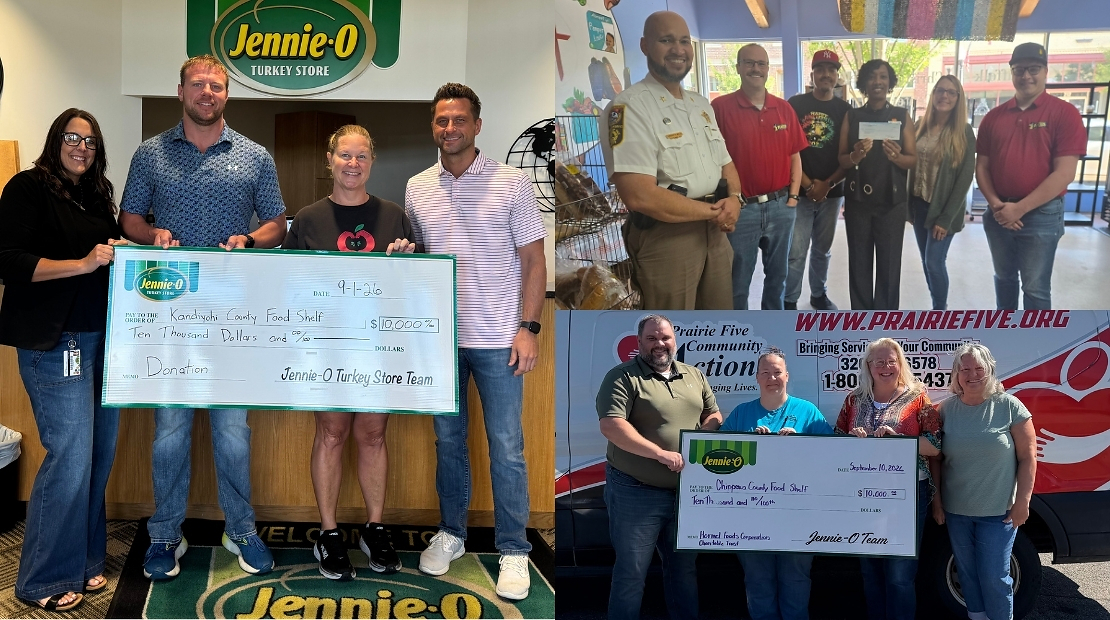
Hormel Foods Corporation distributed $332,000 to more than 40 hunger-relief organizations across the U.S. during Hunger Action Month, with each of the company's domestic production facilities receiving $10,000 to direct to nonprofits in their own communities.
The grants, administered through the Hormel Foods Charitable Trust, supported food pantries, community meal programs, and regional food banks—including Second Harvest Food Pantry of Beloit, the Knoxville Senior Center, Channel One Regional Food Bank, and Foodbank of Somerset County in New Jersey. The facility-level structure is intentional: local plant teams identify and fund organizations where their employees live and work, giving the program a community-anchored character that top-down corporate philanthropy often lacks.
The Broader Commitment
The September campaign is part of a multi-year commitment that has seen Hormel contribute more than $53.6 million in combined cash and product donations to food security efforts since 2020. Beyond direct cash grants, the company's brand portfolio supports hunger relief year-round through partnerships with Convoy of Hope and Feeding America, as well as an annual donation of CURE 81 hams in collaboration with regional grocery partners.
"Food insecurity affects families in every region of the country, and local organizations are often on the front lines of meeting that need," said Will Bonifant, chief supply chain officer at Hormel Foods. The plant-level approach reflects an increasingly common strategy among large food manufacturers: distributing philanthropic decision-making to the facilities closest to affected communities rather than concentrating giving at the corporate level.
Why It Matters for Foodservice
For restaurant and foodservice operators, the Hormel initiative is a reminder of the scale of food insecurity that still shapes consumer behavior and community health in markets across the country. Food banks nationwide have reported sustained elevated demand in the post-pandemic period, a pressure that affects the broader food system—from supply chains to labor availability in hospitality markets. Manufacturers investing in community food access are, in effect, investing in the workforce and consumer base that the restaurant and hospitality sectors depend on.
The Hormel program also illustrates how food companies are integrating community investment into operational infrastructure. By tying giving to individual plant locations, the company connects corporate social responsibility directly to its food manufacturing and supply chain footprint—a model that industry observers have noted resonates with both employees and community stakeholders.
Hormel's approach to food security and corporate giving continues to evolve under its Good Feeds Us All Global Impact Framework. The company publishes an annual global impact report detailing its community investment and sustainability commitments. Food & Beverage Magazine has tracked the growing emphasis among major food brands on structured, measurable community giving programs as part of broader ESG strategies.
Written by Michael Politz, Author of Guide to Restaurant Success: The Proven Process for Starting Any Restaurant Business From Scratch to Success (ISBN: 978-1-119-66896-1), Founder of Food & Beverage Magazine, the leading online magazine and resource in the industry. Designer of the Bluetooth logo and recognized in Entrepreneur Magazine's "Top 40 Under 40" for founding American Wholesale Floral, Politz is also the Co-founder of the Proof Awards and the CPG Awards and a partner in numerous consumer brands across the food and beverage sector.