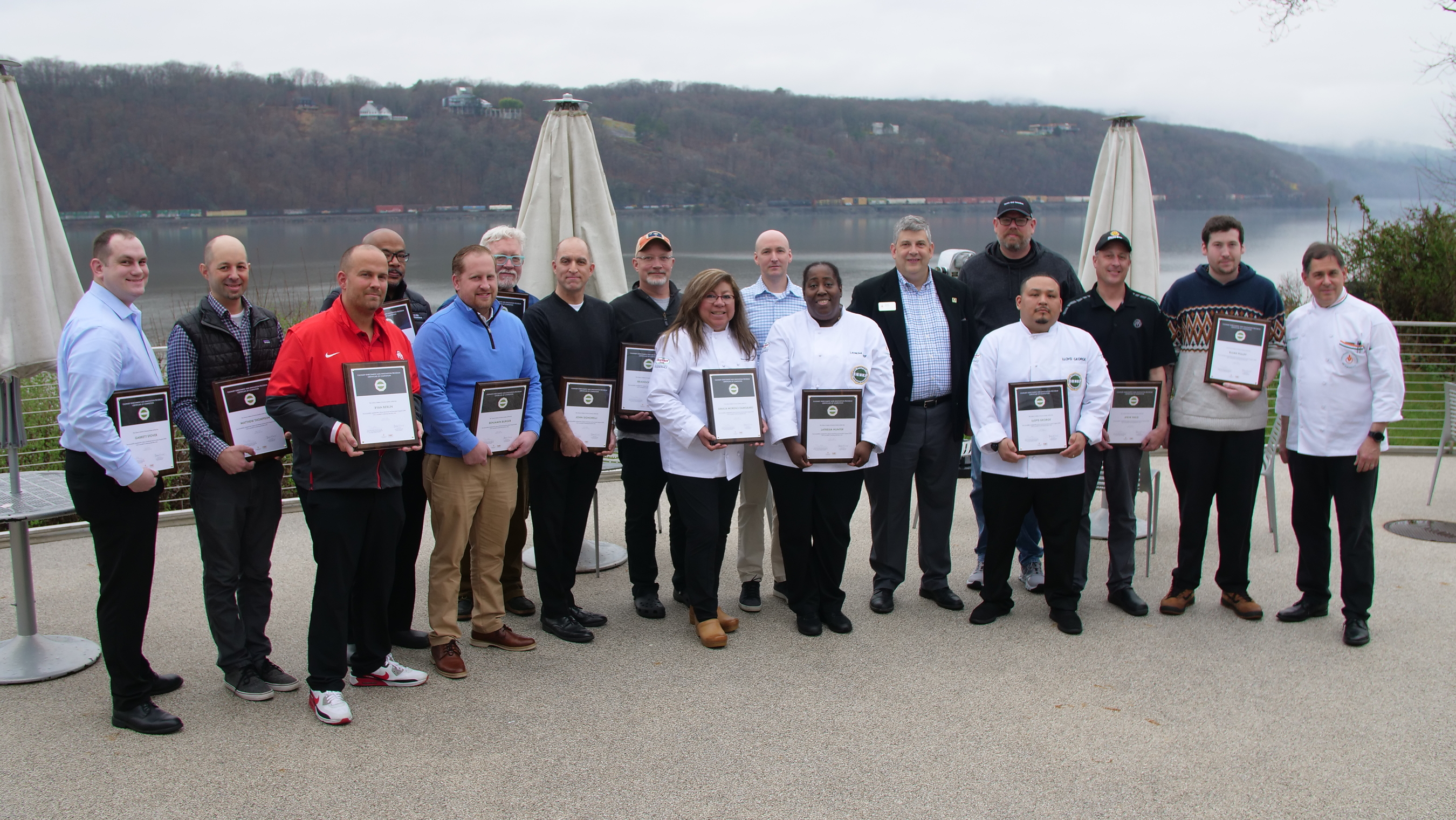
Applications are open through Nov. 30 for the Culinary Enrichment and Innovation Program (CEIP) Class of 2028, a fully tuition-funded leadership development initiative run by Hormel Foods in partnership with the Culinary Institute of America. The program selects a cohort of 20 accomplished foodservice chefs for an intensive year-long curriculum spanning three CIA campuses.
CEIP has operated since 2008 and is positioned as the only advanced culinary leadership program built specifically for both commercial and non-commercial chefs. Unlike degree programs, it carries no academic prerequisites — applicants need more than 10 years of professional culinary experience, demonstrated leadership capability, and a stated long-term commitment to the industry.
Program Structure
The Class of 2028 will complete three in-person modules: Module I at CIA's Napa Valley, California campus (April 5–8, 2027), Module II in San Antonio, Texas (October 2027, date TBA), and Module III in Hyde Park, New York (April 2028, date TBA). Participants must attend all three modules to receive a CIA certificate of completion and continuing education units. Hormel Foodservice underwrites all tuition and meals; participants are responsible for their own travel, lodging, and personal expenses.
"The future of foodservice depends on strong culinary leaders who can inspire teams, drive innovation and adapt to a rapidly evolving industry," said Annemarie Vaupel, vice president of foodservice marketing at Hormel Foods. "Through CEIP, we're investing in experienced chefs who are committed to advancing their craft and elevating the profession."
Why It Matters for Operators
For foodservice operators navigating ongoing labor and talent pressures, programs that develop mid-career culinary professionals carry real strategic value. CEIP targets working chefs with a decade or more of experience — a cohort often overlooked by entry-level culinary education — and focuses on leadership skills that translate directly to kitchen management, team retention, and menu innovation. The cross-sector cohort model, which brings together commercial restaurant chefs alongside non-commercial foodservice professionals, mirrors the kind of peer-learning environments that hospitality industry training research has consistently tied to stronger retention outcomes.
The program's structure across three geographically distinct CIA campuses also exposes participants to regional ingredient cultures and culinary traditions — from California wine country to Texas barbecue corridors to New York's global dining scene — giving chefs a broader creative toolkit to bring back to their operations.
Culinary professionals who meet the qualifications can submit applications at ceipinfo.com before the November 30 deadline. Given the cohort is capped at 20 participants, competition for spots is expected to be strong among the program's target demographic of experienced, innovation-focused chefs.
Written by Michael Politz, Author of Guide to Restaurant Success: The Proven Process for Starting Any Restaurant Business From Scratch to Success (ISBN: 978-1-119-66896-1), Founder of Food & Beverage Magazine, the leading online magazine and resource in the industry. Designer of the Bluetooth logo and recognized in Entrepreneur Magazine's "Top 40 Under 40" for founding American Wholesale Floral, Politz is also the Co-founder of the Proof Awards and the CPG Awards and a partner in numerous consumer brands across the food and beverage sector.