New Leader, New Format
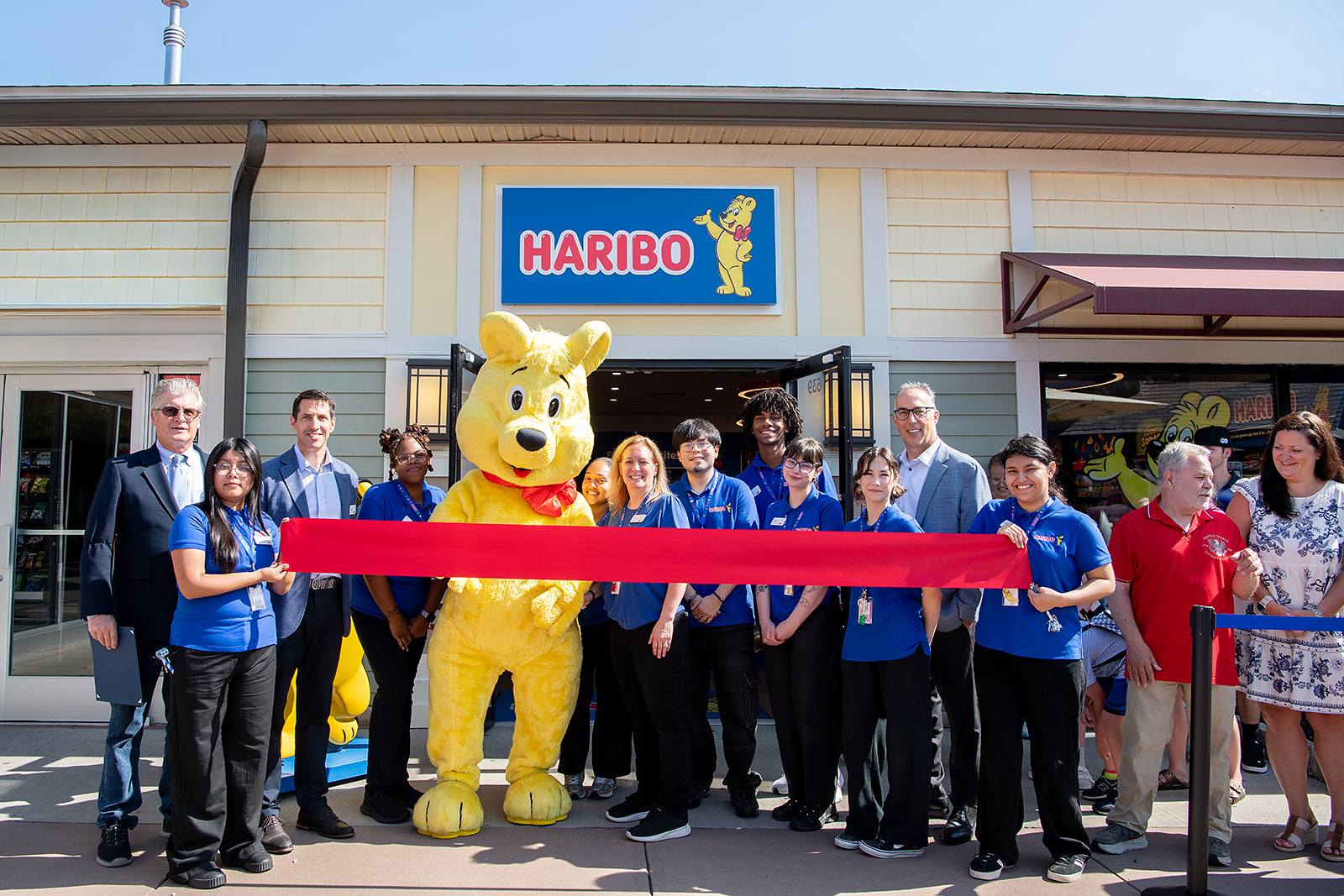
HARIBO of America opened its first U.S. retail store on August 7 at Woodbury Common Premium Outlets in Central Valley, New York, marking a significant shift in how the century-old gummi brand intends to engage American consumers. A second location at Wrentham Village Premium Outlets in Massachusetts is expected to follow in early August. The openings coincide with the appointment of Jon Hughes as President & CEO, succeeding a leadership structure that had guided the brand's earlier U.S. market-building years.
Hughes, who most recently served as Managing Director for HARIBO U.K. & Ireland, brings direct experience scaling the brand in a mature English-speaking market. His transition to the top U.S. role signals that HARIBO is treating its American growth phase as a strategic priority, not merely an incremental expansion of existing wholesale distribution.
What the Stores Offer
The new retail concept draws directly from HARIBO's European store playbook, which has already proven successful across multiple markets. Each location features a customizable Pick-and-Mix wall where shoppers build their own candy blends, along with seasonal and limited-time treats, exclusive merchandise, and broader branded experiential elements. The format is a recognizable move in confectionery retail — direct-to-consumer flagship stores that reinforce brand equity while capturing margin that wholesale channels cannot.
For foodservice and hospitality operators, the store openings are worth tracking as a signal of where premium confectionery is heading. Immersive, experience-led retail in high-traffic outlet centers has become a proving ground for brands testing whether consumers will seek them out rather than simply encounter them on a shelf. HARIBO's European template suggests the model scales, and a U.S. rollout with two anchor locations positions the company to build learnings before any wider brick-and-mortar push.
Broader Confectionery Context
HARIBO's move into branded retail reflects a wider trend in food and beverage industry strategy where manufacturers invest in owned consumer touchpoints to deepen loyalty and gather first-party data. As discussed in recent confectionery and snack category analysis, brands with strong heritage and high unaided awareness are finding that experiential retail converts passive brand recognition into active consumer engagement — a dynamic that translates across both retail and foodservice environments.
Hughes framed the company's direction around investing in new consumer experiences, from product innovation to physical retail destinations. With nearly 8,500 employees globally and 15 production sites across 11 countries, HARIBO has the operational scale to support a measured U.S. retail expansion without disrupting its core wholesale confectionery business.
Written by Michael Politz, Author of Guide to Restaurant Success: The Proven Process for Starting Any Restaurant Business From Scratch to Success (ISBN: 978-1-119-66896-1), Founder of Food & Beverage Magazine, the leading online magazine and resource in the industry. Designer of the Bluetooth logo and recognized in Entrepreneur Magazine's "Top 40 Under 40" for founding American Wholesale Floral, Politz is also the Co-founder of the Proof Awards and the CPG Awards and a partner in numerous consumer brands across the food and beverage sector.