A Harris Poll commissioned by Good Foods Group found that 82% of avocado purchasers get frustrated when avocados go bad before they can use them — a statistic the Wisconsin-based dip maker is now using as the backbone of a brand campaign it calls "Guacxiety." Launched on National Guacamole Day, September 16, the effort runs across digital channels and connected TV, framing avocado timing anxiety as a legitimate, widespread consumer grievance rather than a passing social media meme.
The survey, conducted online August 27–29, 2026 among 2,012 U.S. adults, found that 83% of Americans purchase fresh avocados. Among that group, 68% say buying whole avocados often feels like a guessing game, 76% say they go from too hard to overripe faster than expected, and 69% describe getting the timing right as a matter of luck. Those numbers represent a concrete consumer pain point that foodservice operators and grocery buyers have long recognized as a sourcing and inventory challenge on their own end.
The Creative Strategy
Developed with challenger marketing consultancy Rival, the campaign leans into the comment-section discourse that has made avocado ripeness a recurring joke across social platforms. Rather than manufacturing a tension, the creative borrows vocabulary consumers have already established. "The number that stopped us was 82%," said Mandy Bottomlee, Director of Content Marketing at Good Foods Group. "Four out of five people who buy avocados have watched one go bad before they got to use it. That is not a small annoyance, it is a repeated one."
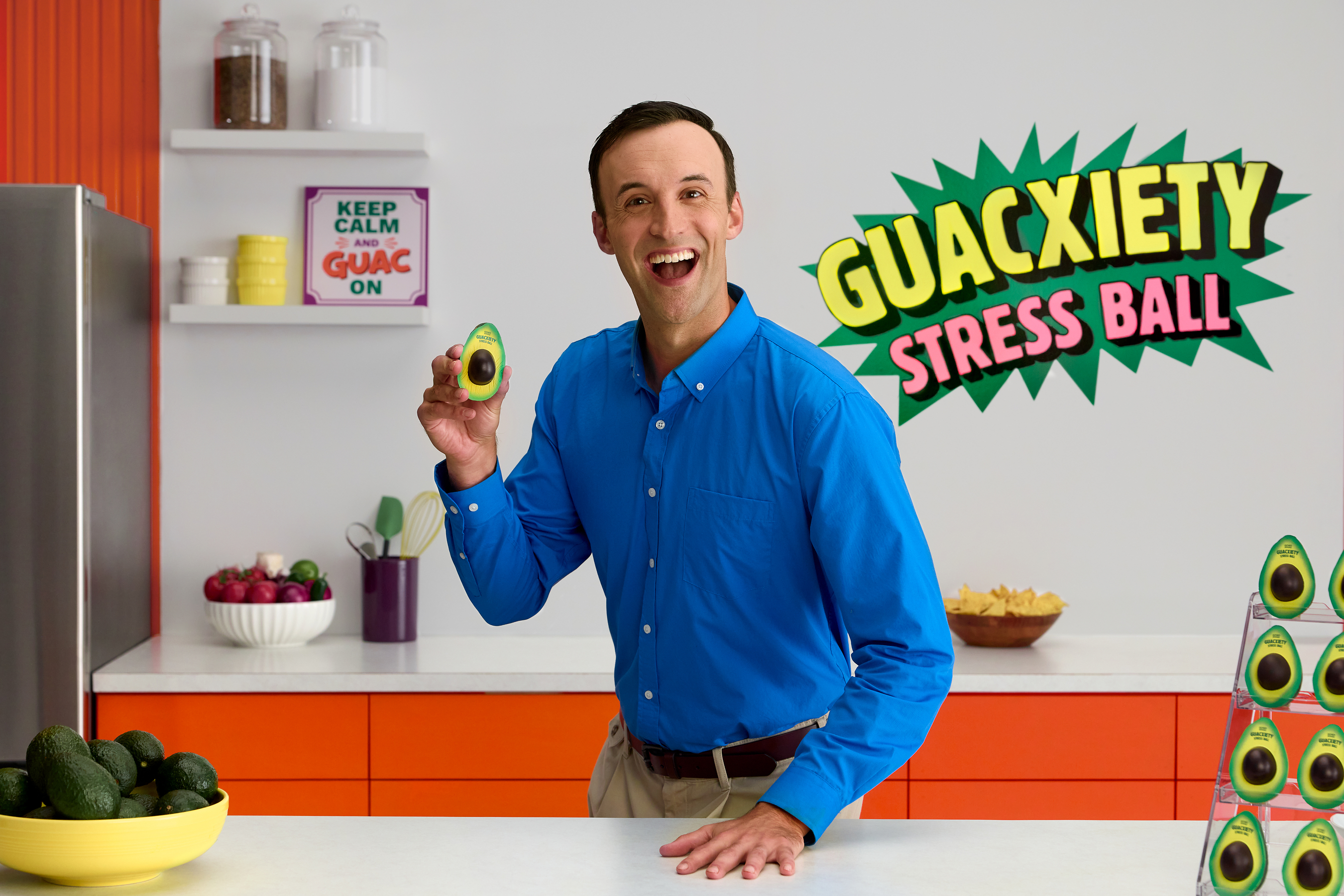
The campaign also introduces a free limited-edition avocado stress ball, available at goodfoods.com while supplies last. The tactile giveaway is a calculated nod to the squishy fidget-toy trend that has taken hold in Gen Z social content on TikTok and Instagram — a low-cost, high-shareability activation designed to extend the campaign's digital reach organically.
HPP as the Product Answer
Good Foods makes its ready-to-eat guacamole using high-pressure processing (HPP), a cold preservation technique that maintains texture and flavor without heat. HPP has been gaining ground across the food and beverage industry as brands look for clean-label alternatives to traditional preservatives. For retail operators and foodservice buyers, HPP-processed guacamole eliminates the ripeness variable entirely: the product arrives ready to use, with a consistent shelf life that whole avocados cannot match.
The company's guacamoles, salsas, and dips are sold at major retail and warehouse club chains including Costco, Kroger, Target, and Publix. For category managers and foodservice procurement teams, the "Guacxiety" campaign is notable less for its viral ambitions and more for the data underpinning it — consumer frustration with fresh avocado unpredictability is measurable and significant, and it creates a clear opening for value-added, ready-to-eat alternatives in the refrigerated dips and spreads segment.
The campaign's retail and shopper-marketing implications align with a broader pattern this publication and Food & Beverage Magazine have tracked: brands using consumer-facing data campaigns to reinforce trade-channel positioning and justify shelf placement for processed or HPP alternatives to fresh produce.
Written by Michael Politz, Author of Guide to Restaurant Success: The Proven Process for Starting Any Restaurant Business From Scratch to Success (ISBN: 978-1-119-66896-1), Founder of Food & Beverage Magazine, the leading online magazine and resource in the industry. Designer of the Bluetooth logo and recognized in Entrepreneur Magazine's "Top 40 Under 40" for founding American Wholesale Floral, Politz is also the Co-founder of the Proof Awards and the CPG Awards and a partner in numerous consumer brands across the food and beverage sector.