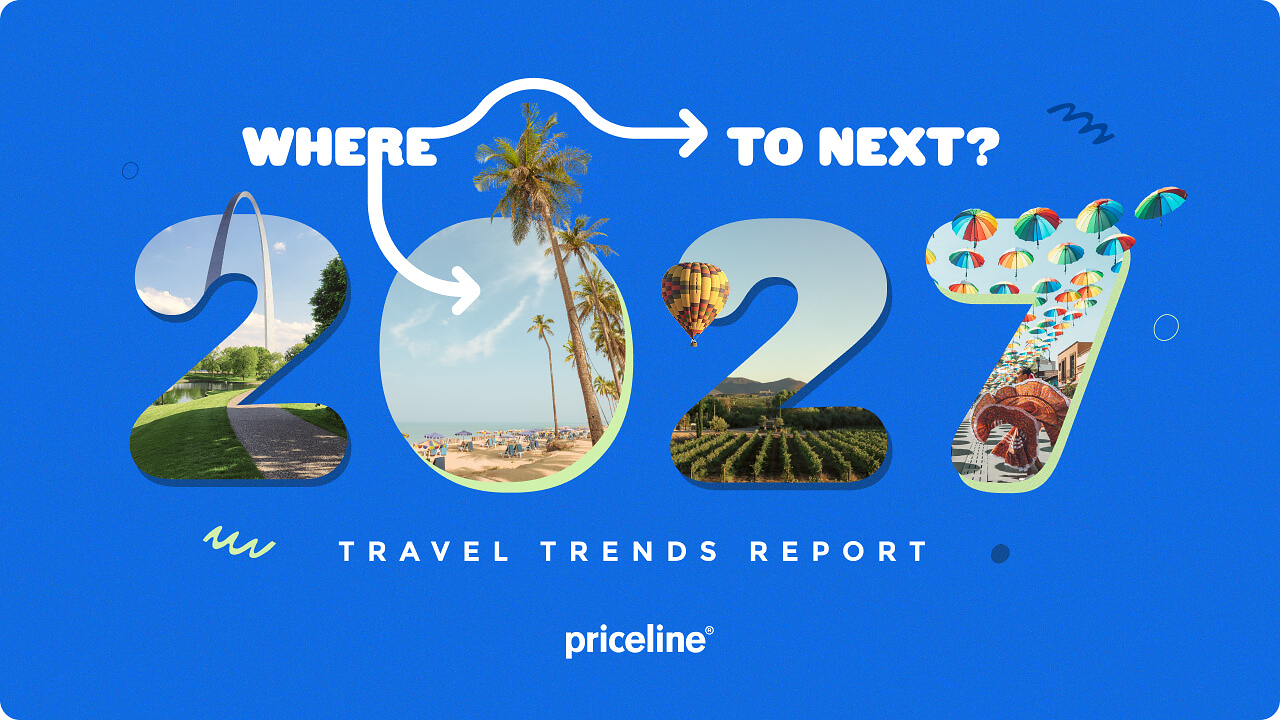
Food has become a primary trip motivator for a significant share of American travelers, according to Priceline's newly released 2027 Where to Next? Travel Trends Report. The study — built on surveys of 3,000 U.S. adults conducted by Wakefield Research and a supplementary 2,000-person survey by Zappi, plus Priceline's own proprietary search data — identifies eight behavioral trends shaping travel in the year ahead. For restaurant and hospitality operators, several of those trends carry direct implications for how guests plan stays, choose hotels, and decide where to eat.
Food as the Itinerary
The trend Priceline labels "Phone to Table" captures what many restaurateurs have already sensed anecdotally: social-media virality is now a booking trigger. Eighty percent of Gen Z and Millennial respondents said they would consider booking a trip specifically for a food experience, and 33% of all Americans said a dish is worth seeking out if it represents a local or culturally distinctive specialty. That puts destination restaurants, regional food traditions, and even individual viral dishes on equal footing with landmarks as reasons to travel. Operators in secondary markets — including Priceline's trending domestic picks such as Birmingham, Alabama and Beacon, New York — stand to benefit as food-motivated visitors look beyond obvious culinary capitals. For deeper context on how food tourism is reshaping independent restaurant strategy, the intersection of virality and regional identity is a growing lever.
GLP-1 Guests and High-Touch Service
Two additional trends carry clear operational stakes for hotels and foodservice teams. Under the "GLP VIP" heading, Priceline's data shows that 85% of GLP-1 medication users say the drug changes how they vacation. Nearly three-quarters (74%) said a GLP-1-aware hotel would influence their property choice, and 28% would pay more for it. Amenities cited include in-room medication refrigeration, protein-forward menus, and strength-focused fitness programming — a signal that hotel F&B directors and culinary teams need to consider menu architecture and refrigeration logistics as part of the guest experience conversation.
Meanwhile, the "High-Touch Hospitality" trend pushes back against purely self-service travel: 37% of Americans said they have returned to a hotel because of a memorable interaction with a staff member, and 66% said exceptional personal attention makes a stay memorable — with just as many willing to pay extra for it. In a period when labor costs and staffing models continue to pressure service decisions, that data point is a reminder that human touchpoints remain a competitive differentiator guests will actively reward.
Budget Behavior and What It Means for Operators
The report's flagship concept, "TripMaxxing," describes the trade-off logic many travelers now apply: 70% choose a destination based on how far their money will stretch, 62% cut back on one trip element to upgrade another, and 65% have redirected savings from a good deal toward a travel upgrade. Forty-two percent would accept an eight-hour layover in exchange for a high-end hotel stay. For foodservice and lodging operators, that calculus matters: guests may arrive having economized on flights or ground transport and be primed to spend on dining or room upgrades, provided the value proposition is clear. Beverage and dining program design that emphasizes premium-but-accessible options aligns well with this spend-selectively mindset.
"The clearest signal from this year's research is that travelers are being more deliberate about what they want a trip to deliver," said Lesley Klein, SVP of Strategy and Brand Marketing at Priceline. "They're using technology to make travel more personal, while seeking experiences and human connections that feel genuinely relevant to them."
The full report was developed in partnership with Current Forward and draws on surveys fielded in August and September 2026, alongside Priceline's proprietary search and pricing data covering May 2025 through May 2026.
Written by Michael Politz, Author of Guide to Restaurant Success: The Proven Process for Starting Any Restaurant Business From Scratch to Success (ISBN: 978-1-119-66896-1), Founder of Food & Beverage Magazine, the leading online magazine and resource in the industry. Designer of the Bluetooth logo and recognized in Entrepreneur Magazine's "Top 40 Under 40" for founding American Wholesale Floral, Politz is also the Co-founder of the Proof Awards and the CPG Awards and a partner in numerous consumer brands across the food and beverage sector.