Thousands of Carnival Corporation employees, their families, and community partners fanned out across ports and coastal communities worldwide to mark the 41st International Coastal Cleanup Day, reinforcing the cruise giant's broader marine stewardship commitments at a moment when hospitality operators of all types face growing pressure to demonstrate environmental accountability.
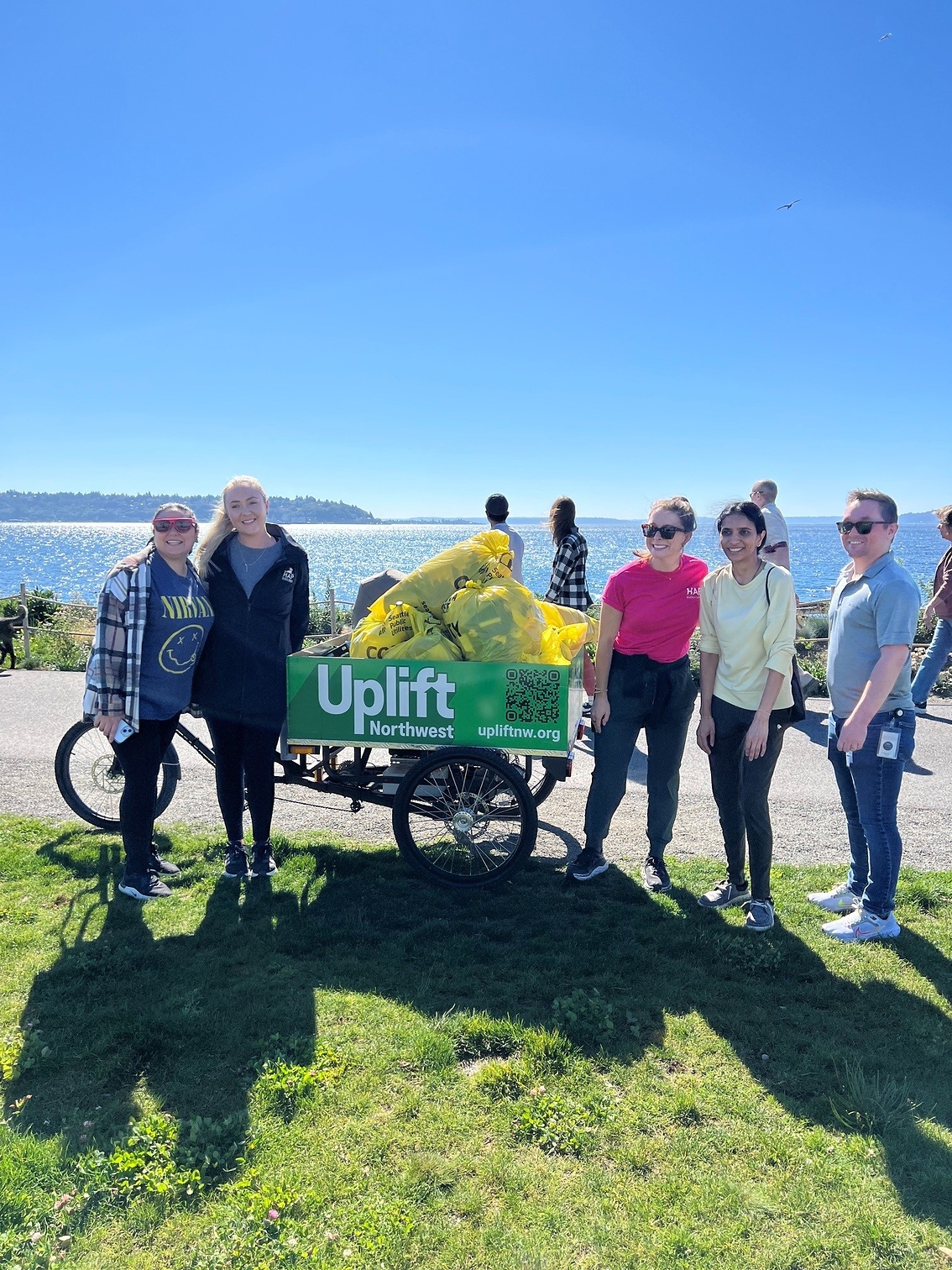
Volunteers represented the full breadth of Carnival's cruise line portfolio — Carnival Cruise Line, Holland America Line, Costa Cruises, and others — as well as its exclusive destinations division and its Center for Simulation and Maritime Training (CSMART) in the Netherlands. Teams removed plastic bags, aluminum, and other single-use debris from shorelines spanning Seattle's Puget Sound, Miami's Oleta River State Park, the Caribbean, Alaska, Europe, Australia, and Latin America.
Scale of the Effort
The 2026 event builds on a documented track record. According to Carnival's 2025 Sustainability Report, the company conducted nearly 100 cleanup events across two dozen locations spanning North America, Central America, the Caribbean, Europe, Asia, and the Pacific in 2025 alone — removing more than 33,000 pounds of debris. One standout effort this year came from Costa Cruises employees who partnered with associations Piantando and Blue-Life to intercept nearly 400 pounds of inland plastic and aluminum from riverbanks before it could reach wider marine ecosystems.
"The oceans, waterways and coastlines we sail are central to what we do, and protecting them is a responsibility we take seriously," said Lars Ljoen, chief maritime officer of Carnival Corporation. "International Coastal Cleanup Day is a reminder of the impact people can make when they come together around a common purpose."
Why It Matters for Hospitality
For hospitality operators, Carnival's scale of engagement offers a useful benchmark. Cruise lines, resort operators, and port-adjacent food and beverage businesses share the same coastal ecosystems — and, increasingly, the same guest expectations around sustainability. Programs that embed environmental stewardship into day-to-day operations, rather than treating it as a seasonal PR moment, are drawing stronger loyalty from both travelers and workforce recruits.
International Coastal Cleanup Day is led by Ocean Conservancy and falls on the third Saturday of September each year. In 41 years, the global event has engaged more than 19 million participants and collected 400 million pounds of trash worldwide. Carnival's participation connects its port communities directly to that larger conservation network — a model increasingly relevant to hospitality sustainability strategy as destinations tighten environmental standards for commercial operators.
The coastal cleanup effort sits within Carnival's wider sustainability framework, which also encompasses reduced single-use plastics across onboard food and beverage service, waste-reduction targets, and community investment programs detailed in its annual sustainability reporting. Industry observers tracking cruise and travel hospitality trends note that measurable, multi-site volunteer programs have become a differentiator in operator-partner and port-authority negotiations as municipalities scrutinize the environmental footprint of large-scale tourism.
Written by Michael Politz, Author of Guide to Restaurant Success: The Proven Process for Starting Any Restaurant Business From Scratch to Success (ISBN: 978-1-119-66896-1), Founder of Food & Beverage Magazine, the leading online magazine and resource in the industry. Designer of the Bluetooth logo and recognized in Entrepreneur Magazine's "Top 40 Under 40" for founding American Wholesale Floral, Politz is also the Co-founder of the Proof Awards and the CPG Awards and a partner in numerous consumer brands across the food and beverage sector.