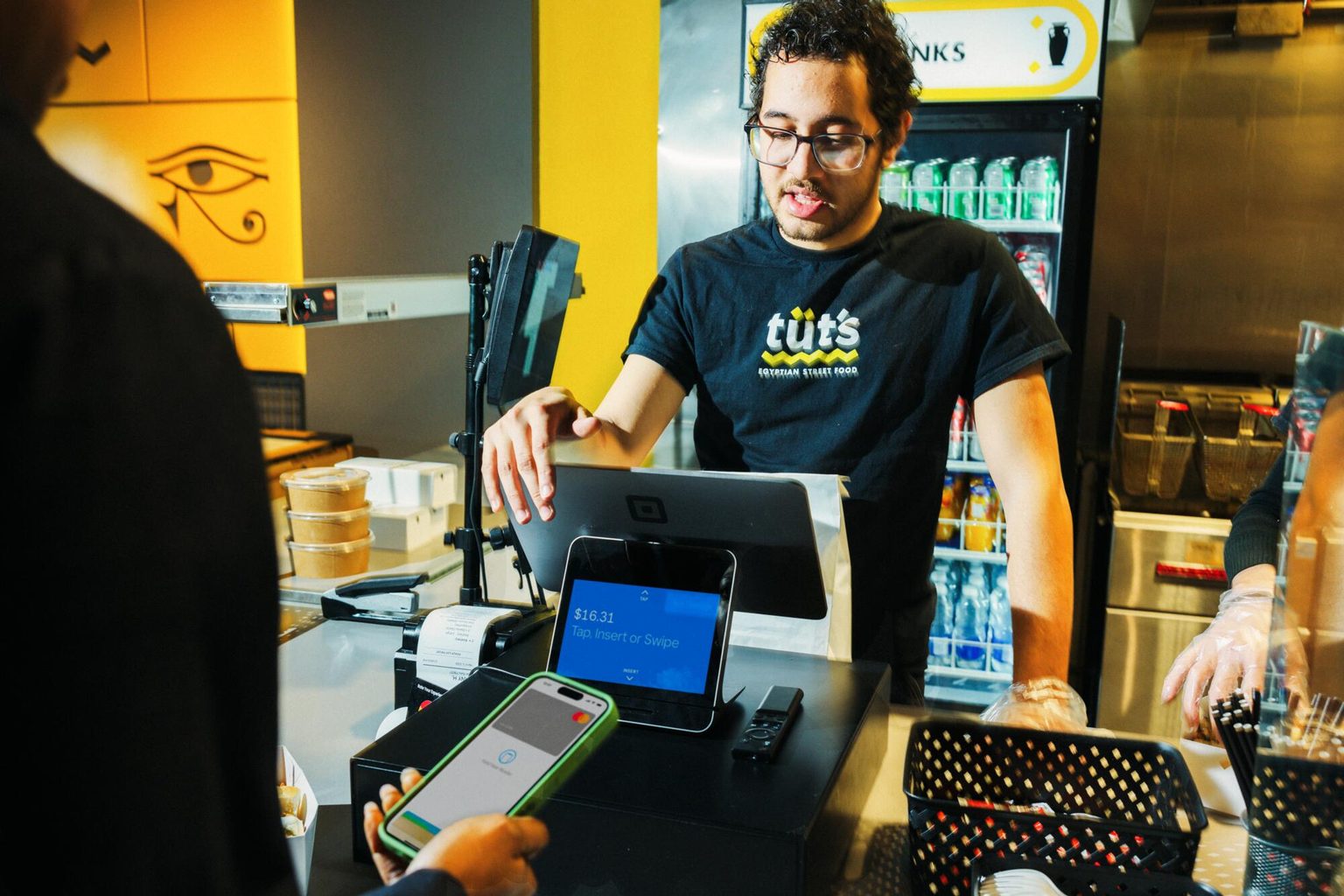
Fragmentation is killing restaurant margins. Operators managing dine-in, takeout, and delivery must juggle disconnected systems for payments, inventory, staffing, and customer insights. Each integration point is a failure risk. Each data silo is a missed opportunity. This is the operational reality facing independent and multi-unit restaurants today—and it is precisely the problem Square was built to solve.
Since 2009, Square has evolved from a mobile card reader into a unified commerce operating system specifically designed for the operational complexity restaurants face. The platform now integrates payments, point-of-sale, inventory management, payroll, customer engagement, and access to capital into a single cohesive ecosystem. For operators managing omnichannel sales, volatile labor conditions, and razor-thin margins, this unified approach is no longer a luxury—it is operational necessity.
The distinction matters for foodservice professionals. Competitors offer payment solutions or POS systems. Square offers integrated infrastructure. A restaurant operator can simultaneously manage orders across dine-in, takeout, and delivery channels while tracking inventory in real time, analyzing labor productivity, and executing targeted marketing to repeat customers—all from one platform. That eliminates the manual data transfers, reconciliation errors, and blind spots that plague disconnected systems.
Square's architecture reflects a deliberate philosophy: modern restaurants do not fit into rigid, predefined categories. They blend hospitality, retail, and digital commerce. The platform therefore prioritizes flexibility over one-size-fits-all design, allowing operators to tailor functionality to their specific needs without sacrificing simplicity. High-volume urban locations operate differently than suburban casual concepts, which operate differently than cloud kitchens. Square's adaptable interface accommodates all three.
Real-World Scaling: Van Leeuwen Ice Cream Case Study
Van Leeuwen Ice Cream illustrates why unified infrastructure matters at scale. What began as a single scoop truck in New York City has grown into a nationally recognized brand with brick-and-mortar locations, grocery distribution, and massive consumer loyalty. This trajectory demands operational infrastructure that functions seamlessly across channels without compromising brand consistency or customer experience.
For a brand operating at that intersection—high-volume storefronts in dense urban markets coupled with packaged goods distribution—system reliability and speed at the point of sale are non-negotiable. Equally critical is unified inventory visibility across retail locations and wholesale partners. Square's integrated ecosystem provides that consistency. But the real operational advantage lies in data. With a highly engaged customer base, Van Leeuwen gains visibility into purchasing behavior, peak demand periods, and product performance. These insights drive staffing decisions, inventory allocation, and product launch timing—allowing the brand to remain agile and responsive even as it expands geographically.
For emerging and scaling restaurant brands, this is the difference between managing growth reactively and managing it strategically. Square's foundation allows operators to focus on product and service while operating with the operational sophistication of a much larger enterprise.
Accessible Infrastructure for Independent Operators
Usability is central to Square's advantage. The company has eliminated traditional barriers: high upfront costs, long-term contracts, and technical complexity. Hardware is designed to feel familiar. Software prioritizes actionable clarity over overwhelming dashboards. This design discipline has democratized access to sophisticated tools—capabilities once reserved for large enterprise operators are now available to independent locations and under-resourced brands.
For the independent restaurant operator or emerging multi-unit concept, this matters profoundly. Access to reliable, affordable infrastructure can determine whether a business survives its growth phase or collapses under operational burden.
Square is also moving beyond today's operational needs. Integration of artificial intelligence into the platform signals a shift toward predictive commerce. By leveraging real-time data—including local trends, customer behavior, and external factors—operators can make more informed decisions about staffing, inventory, and menu optimization. This moves restaurants beyond reactive crisis management into proactive, data-informed strategy.
Industry Standard for Integrated Food Service Technology
Square processes hundreds of billions in annual payment volume across a remarkably diverse customer base—from independent storefronts to high-growth, multi-location brands. But the real measure of influence is not volume. It is how the company has shifted industry expectations. Competitors are no longer evaluated solely on transaction fees or hardware. They are judged on their ability to deliver integrated, end-to-end solutions that support every operational aspect of a restaurant business.
For the food and beverage sector, this evolution is particularly meaningful. The demands on operators intensify annually. Square's ability to unify front-of-house and back-of-house operations, streamline order management across channels, and provide real-time performance visibility offers a blueprint for how technology should support restaurant operations. It allows operators to spend less time managing systems and more time delivering quality, consistency, and innovation to customers.
Looking forward, the trajectory is clear. Commerce will continue to blur physical and digital, local and global, transactional and experiential. Restaurants will require infrastructure that is reliable, adaptable, and intelligent. Platforms that evolve in step with operator needs will define the next generation of industry leaders.
Square is positioned firmly in that category. Its evolution from payment processor to integrated operating system reflects a deep understanding of modern restaurant operations. By aligning its growth with operator success, Square has moved beyond service provider into strategic partner territory. For an industry navigating constant change—regulatory shifts, labor volatility, consumer preference evolution—that partnership distinction is critical. It is what separates vendors that respond to challenges from partners that help operators anticipate and navigate them.