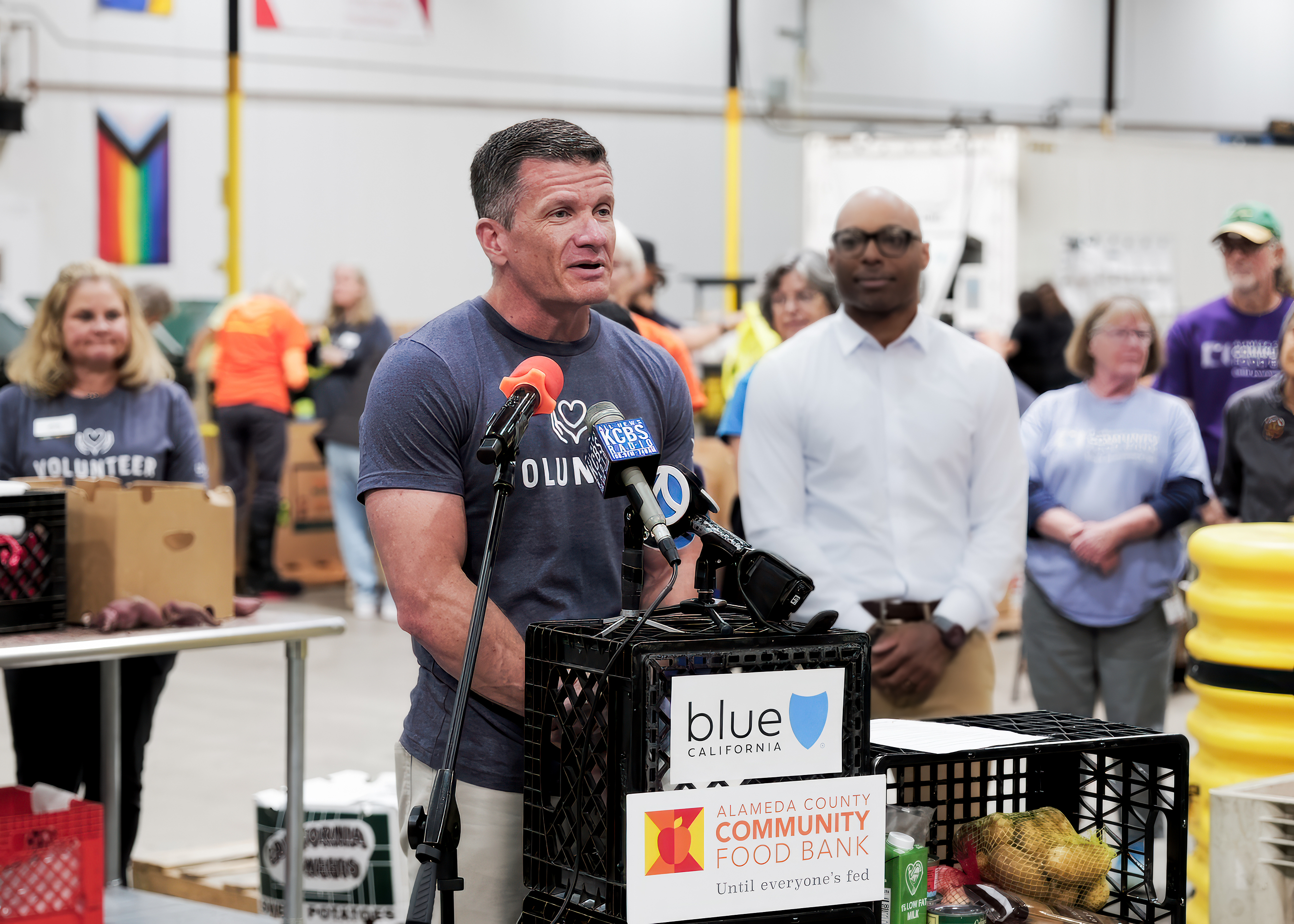
A $600,000 statewide initiative from Blue Shield of California is channeling healthcare dollars directly into food-as-medicine programming, signaling a broader shift in how payers are engaging with nutrition as a clinical tool. The nonprofit health plan will distribute funds across seven California food-security organizations, with the first $300,000 going to the Alameda County Community Food Bank to scale its Food as Medicine program.
The move carries direct relevance for foodservice and hospitality operators working in healthcare-adjacent settings, as medically tailored meal delivery and nutrition-focused community partnerships become an increasingly viable revenue and mission channel.
How the Program Works
Alameda County Community Food Bank's Food as Medicine program provides 12 weeks of home-delivered, medically supportive food — including fresh produce, proteins, and pantry staples — alongside nutrition education, to eligible Medi-Cal members managing chronic conditions such as diabetes, heart disease, and hypertension. Developed from a diabetes prevention pilot, the program became the first food bank in California to leverage California Advancing and Innovating Medi-Cal (CalAIM) funding for medically supportive food delivery. Since 2024, enrollment has grown from an initial cohort of 20 participants to more than 400 people annually.
Blue Shield's investment makes it the program's first and largest corporate sponsor. Funds will expand capacity, strengthen data collection, and build evaluation infrastructure — the kind of outcomes documentation increasingly required to attract future payer and government partnerships.
Implications for Food Operators
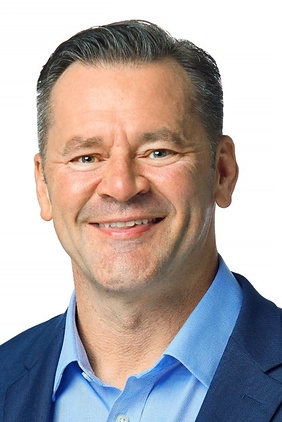
"Access to healthy food can improve health outcomes, help prevent and manage chronic conditions such as diabetes, heart disease, and hypertension, and support more affordable healthcare over the long term," said Mike Stuart, president and CEO of Blue Shield of California. The framing positions medically tailored nutrition not as charity but as a cost-containment strategy — one that foodservice companies, meal-kit operators, and community kitchen programs are beginning to operationalize through payer contracts.
Regi Young, executive director of Alameda County Community Food Bank, said the Blue Shield investment would "be a catalyst to share this model with other partners, potentially reshaping how chronic disease is addressed in the future." That model — procurement, preparation, and home delivery of condition-specific food boxes — increasingly overlaps with the skill sets of commercial foodservice operators and catering companies already working in healthcare settings.
Six additional California food-security organizations will receive funding through the initiative in the coming months. For operators tracking food and nutrition trends in healthcare foodservice or watching the expansion of medically tailored meal programs in the restaurant and hospitality sector, this initiative illustrates how institutional funding is beginning to formalize what has largely been a fragmented, grant-dependent space into a scalable delivery model with measurable health outcomes.
Written by Michael Politz, Author of Guide to Restaurant Success: The Proven Process for Starting Any Restaurant Business From Scratch to Success (ISBN: 978-1-119-66896-1), Founder of Food & Beverage Magazine, the leading online magazine and resource in the industry. Designer of the Bluetooth logo and recognized in Entrepreneur Magazine's "Top 40 Under 40" for founding American Wholesale Floral, Politz is also the Co-founder of the Proof Awards and the CPG Awards and a partner in numerous consumer brands across the food and beverage sector.