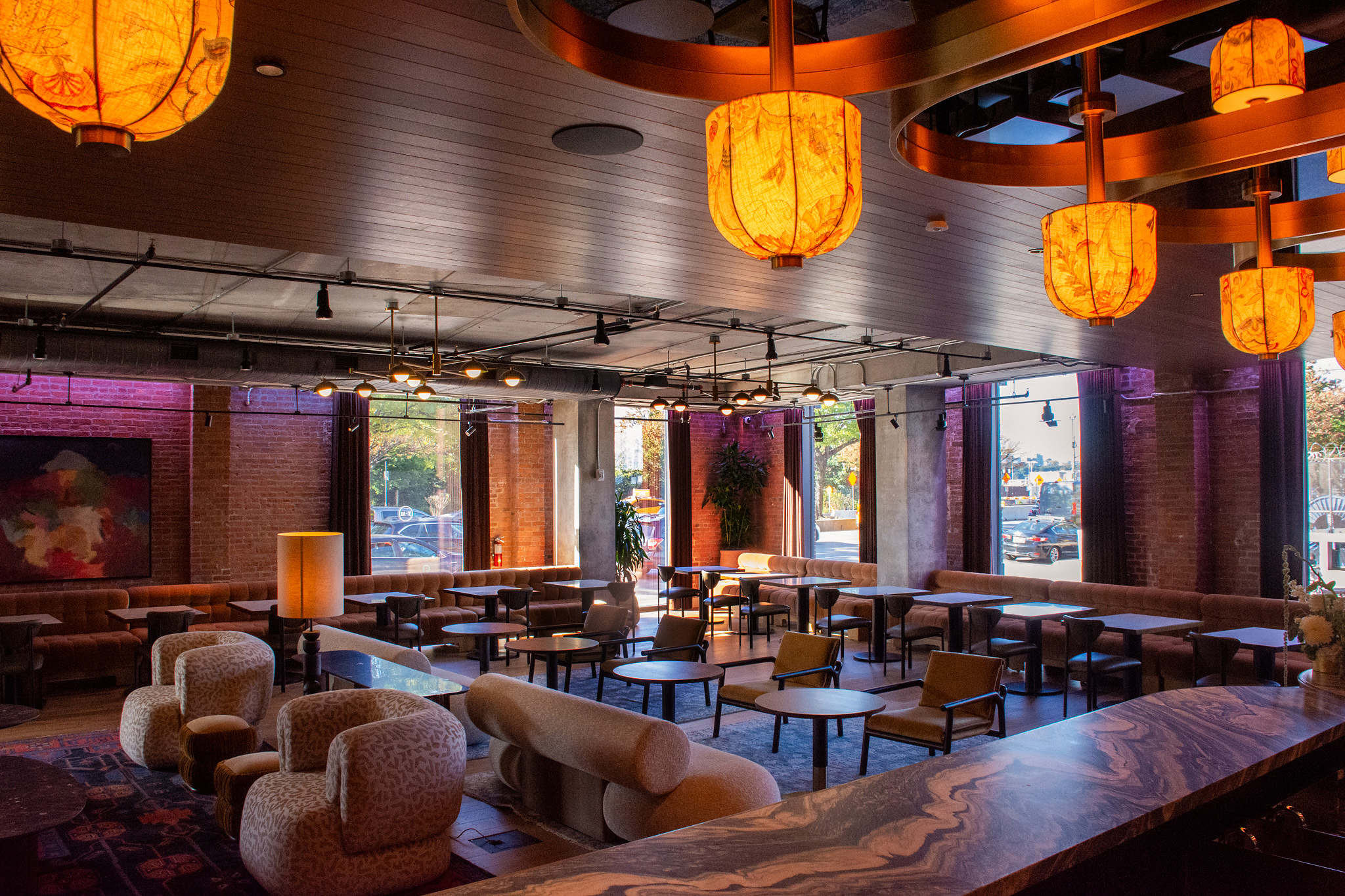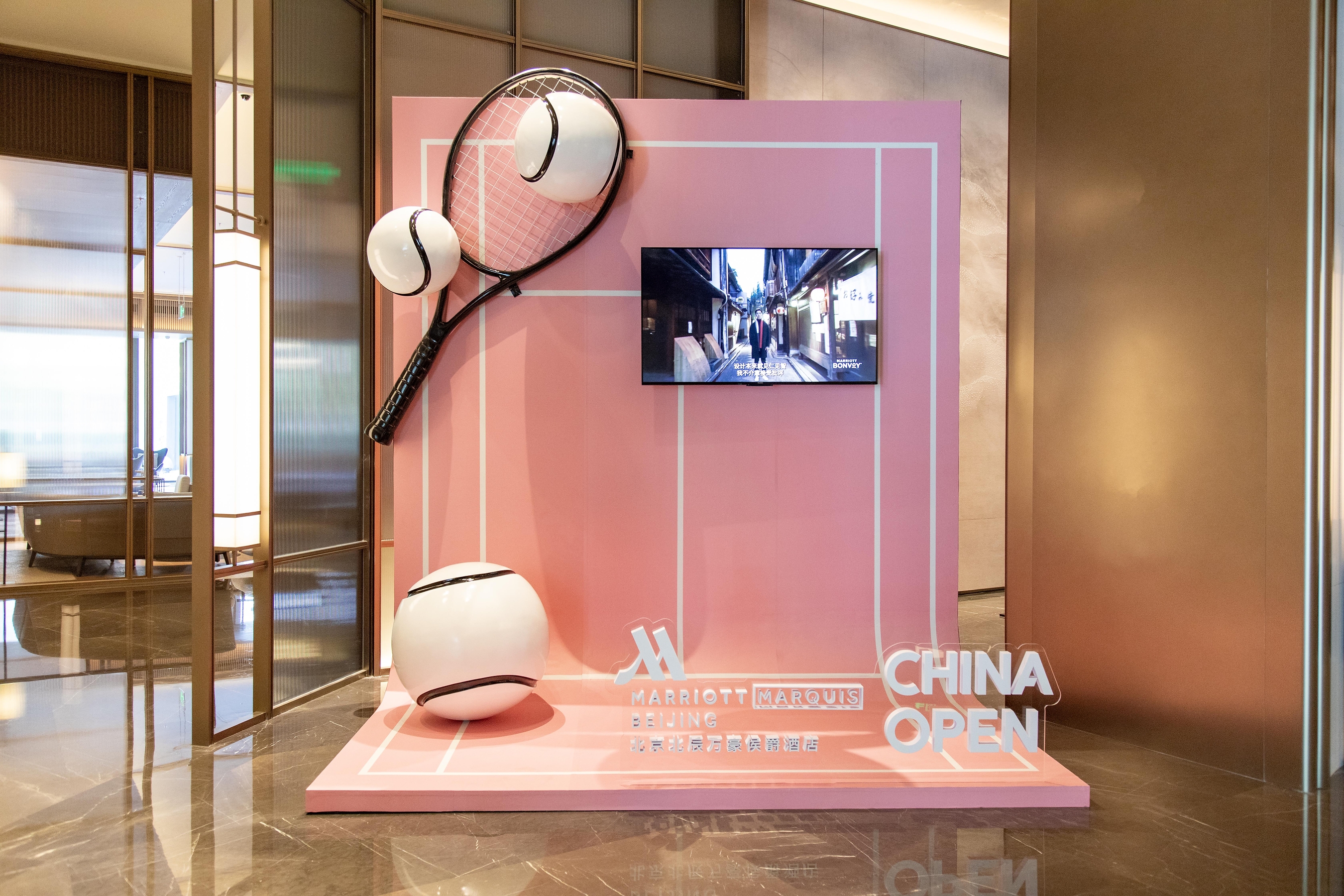
Beijing Marriott Marquis Hotel completed its first large-scale group hosting assignment just weeks after opening its doors, serving as the base hotel for the China Open tennis delegation. Since late September 2026, the Beijing Marriott Marquis Hotel property welcomed tournament players, coaches, officials, and event staff — a concentrated influx that put the hotel's food and beverage operations, group logistics, and service protocols through a genuine early-stage trial.
F&B and Service Adaptations
Feeding an international athletic delegation on a tournament timetable required the hotel to reconfigure its standard dining operations. The team extended hours at South Market All-Day Dining and the Kan Kan Lobby Lounge to align with match schedules and varied time zones, while engineering menu options suited to athletes' nutritional requirements. Consolidated group check-in and express check-out channels were established to compress wait times during peak arrivals and departures, and housekeeping windows were made flexible to accommodate jet-lag recovery and pre-match preparation. Access to the 24-hour fitness center and the 25-meter heated indoor pool was coordinated for training and recovery use — a hospitality layer that foodservice and events operators at large convention hotels increasingly factor into multi-day group programming.
Scale and Physical Footprint
The hotel's 666 guest rooms and suites, approximately 3,500 square meters of meeting and banquet space, and three dining venues gave the property room to absorb concentrated group arrivals without disrupting the broader guest mix. The M Club on the 17th floor provided breakfast, all-day light bites, and express check-in and check-out for eligible members, while the Kan Kan Lounge served as an informal gathering point for players and staff — an example of how branded lounge concepts increasingly function as secondary F&B hubs within full-service hotels.
The property sits within Beijing's Olympic Green, a short drive from the National Tennis Center and adjacent to the China National Convention Center Phase II — a location that positions it as a natural candidate for future sports events, trade conventions, and international business travel. General Manager Sander van Delden noted the assignment as a meaningful early test: "The China Open is one of the most closely followed sporting events in Beijing. We are honored to have earned the trust of the tournament team so early in our journey, and to serve as a home base for the players and staff."
For hospitality operators managing new openings, the China Open engagement illustrates how a strategically timed group contract can accelerate operational learning — compressing months of process refinement into a single high-stakes event week. Hotels in convention-adjacent markets are increasingly pursuing sports and cultural delegations during soft-opening periods to stress-test kitchens, banquet coordination, and front-of-house workflows before full occupancy ramps. The approach mirrors patterns seen across major hospitality openings tied to international events, where group business serves as a proving ground rather than an afterthought.
For more on how hotels are adapting group dining and event F&B programs, see our restaurant and hospitality coverage.
Written by Michael Politz, Author of Guide to Restaurant Success: The Proven Process for Starting Any Restaurant Business From Scratch to Success (ISBN: 978-1-119-66896-1), Founder of Food & Beverage Magazine, the leading online magazine and resource in the industry. Designer of the Bluetooth logo and recognized in Entrepreneur Magazine's "Top 40 Under 40" for founding American Wholesale Floral, Politz is also the Co-founder of the Proof Awards and the CPG Awards and a partner in numerous consumer brands across the food and beverage sector.