All three Atlas Ocean Voyages expedition yachts converged on the total solar eclipse this week, with guests aboard World Traveller, World Navigator, and World Voyager gathered on open decks from the Mediterranean to the North Atlantic as totality unfolded—the result of more than two years of logistical and programming planning by the luxury expedition line.
Three Yachts, Three Locations
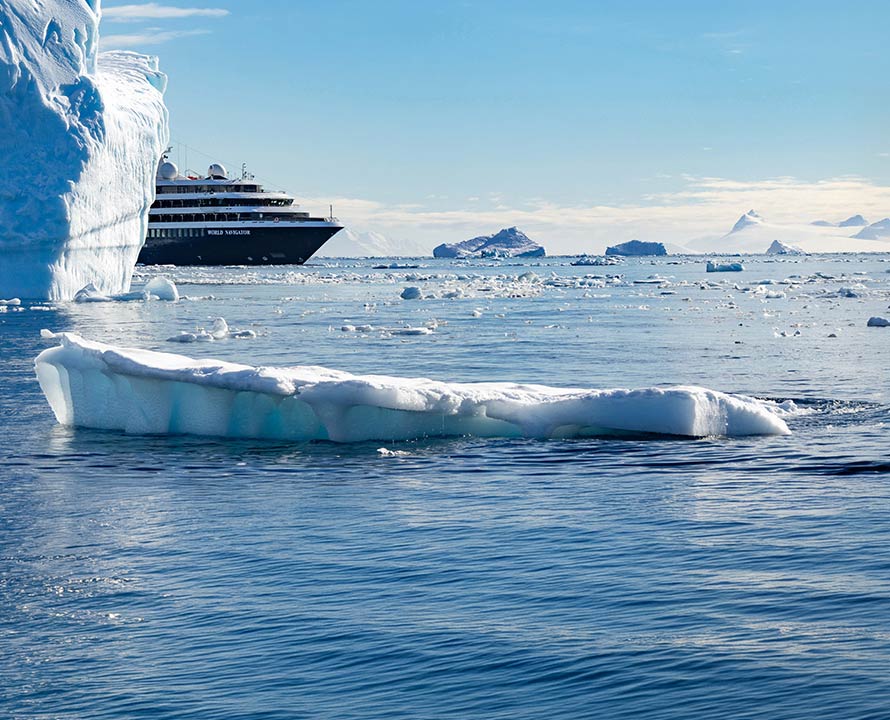
World Traveller positioned guests off Palma de Mallorca en route to Ibiza, while World Navigator anchored off Patreksfjörður, Iceland. World Voyager offered a North Atlantic vantage point between Scoresby Sund and Ísafjörður. The deliberate spread gave the line's guests dramatically varied backdrops for the same celestial moment, underscoring a growing hospitality trend: curating rare natural events as the centerpiece of the guest experience rather than a peripheral attraction.
Enrichment as the Product
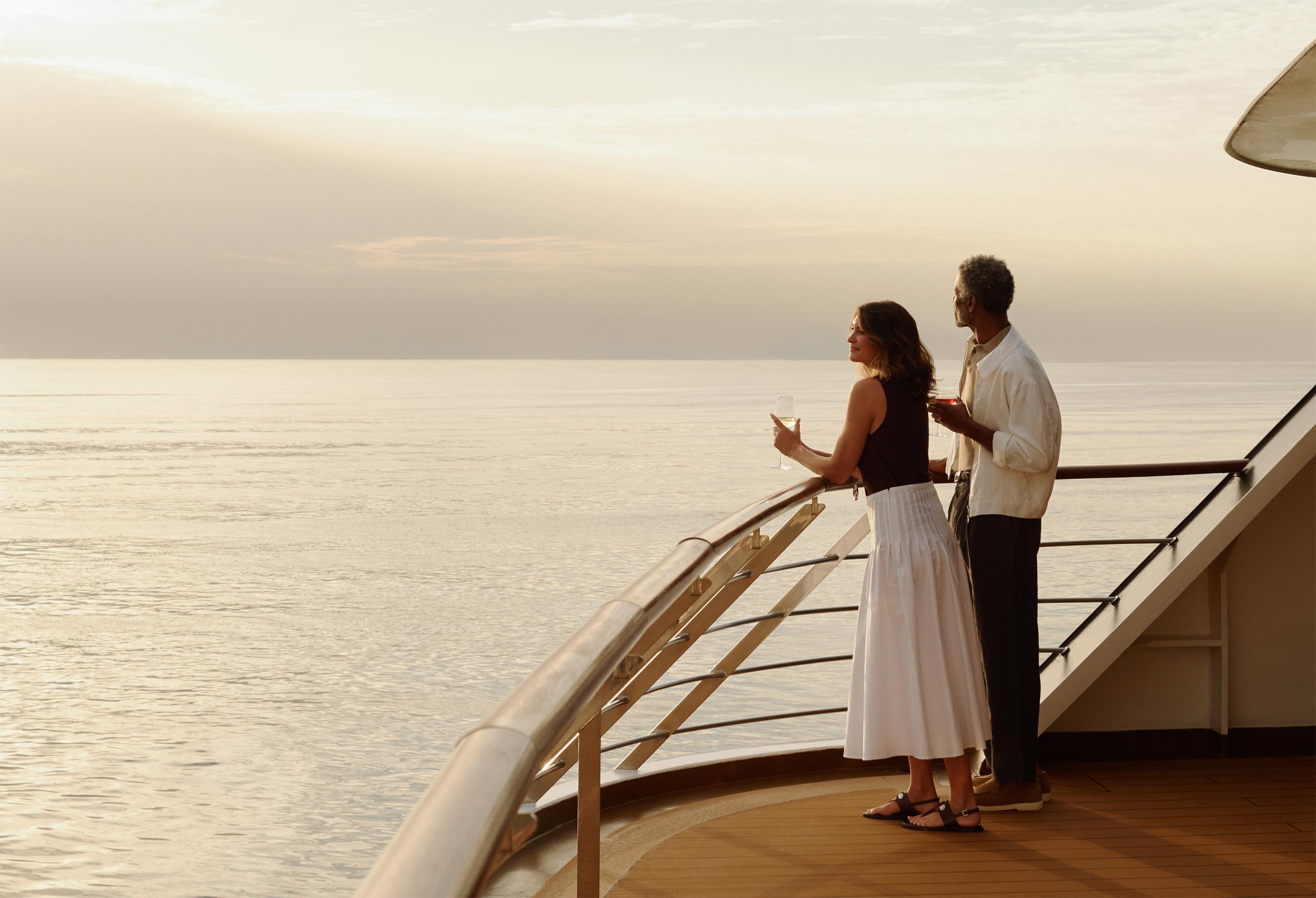
For hospitality operators watching the experiential-travel market, the Atlas model is instructive. The line embedded an onboard astronomer to build anticipation through education in the days leading to totality, distributed solar-viewing eye protection, and created eclipse-themed cocktails that extended the event's atmosphere throughout the ship. Casey Carr of Carr World Travel, who sailed on the voyage, noted that the astronomy programming "sparked imaginations" well before the eclipse itself arrived, and credited the structured program with making the experience feel complete rather than incidental.
James A. Rodriguez, President and Chief Executive Officer of Atlas Ocean Voyages, framed the effort as emblematic of the line's broader philosophy. "The planning began more than two years ago, when we first envisioned how we could bring our guests to the right place at the right time for this remarkable event," Rodriguez said. "These are the memories that stay with people long after a voyage ends, and creating those moments is what expedition travel is all about."
The approach mirrors what top-tier hospitality operators are doing with immersive food and beverage programming to differentiate their offerings—anchoring the guest stay around a singular, time-sensitive experience that cannot be replicated at home or on a competitor's property.
What Comes Next
For travel advisors and hospitality professionals tracking the pipeline, Atlas has two additional celestial events in development. World Traveller departs Barcelona on July 27, 2027, for an eight-night Solar Eclipse Expedition to Lisbon, built around another total solar eclipse at sea with live astronomer narration. Looking further ahead, the line's debut of Atlas Adventurer—described as the world's first luxury expedition sailing yacht—is set for 2028, with the vessel positioned in Singapore for a total lunar eclipse on December 23. Guests aboard the 14-night Bangkok-to-Bali voyage will watch the Moon turn red just 16 minutes after midnight on New Year's Eve, adding a rare astronomical exclamation point to the holiday sailing.
The sequencing of eclipse-timed itineraries signals a deliberate long-term programming strategy, one that locks in guest interest years in advance and creates meaningful differentiation in a luxury cruise and expedition hospitality segment that increasingly competes on uniqueness of access rather than hardware alone.
Written by Michael Politz, Author of Guide to Restaurant Success: The Proven Process for Starting Any Restaurant Business From Scratch to Success (ISBN: 978-1-119-66896-1), Founder of Food & Beverage Magazine, the leading online magazine and resource in the industry. Designer of the Bluetooth logo and recognized in Entrepreneur Magazine's "Top 40 Under 40" for founding American Wholesale Floral, Politz is also the Co-founder of the Proof Awards and the CPG Awards and a partner in numerous consumer brands across the food and beverage sector.