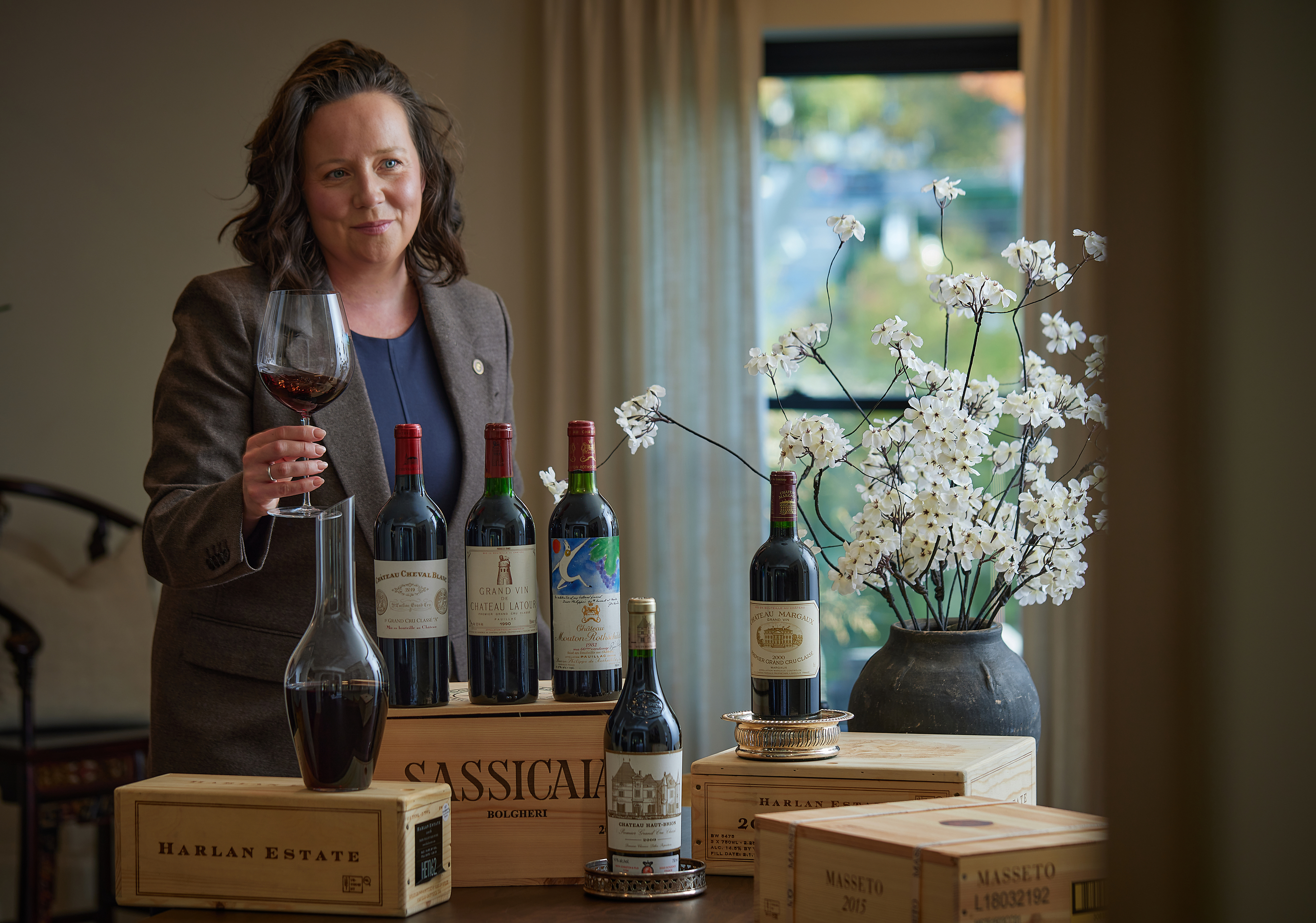
Alaska Air Group's (alaskaair.com) inflight food and beverage costs climbed 10% year-over-year to $110 million in the third quarter of 2026, a figure that underscores the carrier's accelerating investment in premium onboard dining even as surging fuel prices weighed heavily on overall profitability. For the first nine months of the year, the airline's food and beverage service line reached $312 million, up 11% versus the same period in 2025 — one of the faster-growing cost lines outside of fuel itself.
Premium Cabin Push
The spending trajectory reflects a broader strategic pivot toward elevated guest experiences that has direct implications for hospitality and foodservice suppliers. During the quarter, Alaska and Hawaiian unveiled two new premium cabin products: Aurora, featuring lie-flat suites and elevated dining on Alaska's Boeing 787 fleet and select 737-10 MAX transcontinental routes, and Leihōkū by Hawaiian, a premium offering on Hawaiian's A330 fleet with similarly upscale food and beverage programming. The carrier also introduced Premium Reserve, a new premium economy product slated to debut in 2028 on widebody and select narrowbody aircraft, with enhanced dining as a core differentiator.
Those product investments come against a backdrop of strong commercial momentum. Total operating revenue grew 14% year-over-year to $4.3 billion on just 2.4% capacity growth, with unit revenue rising nearly 12%. Premium revenue alone surged approximately 25% and now accounts for more than 36% of total revenue — a signal that travelers are willing to spend more when a compelling onboard food and beverage offer is part of the package. Managed corporate revenue rose 30%, and loyalty program cash remuneration grew 21% to $721 million, providing a stable pipeline of high-value travelers who tend to skew toward premium cabin bookings.
The Fuel Overhang
Despite the commercial strength, Alaska Air Group recorded a GAAP net loss of $147 million, or ($1.32) per share, for the quarter. The culprit was fuel: economic fuel cost per gallon hit $3.94, well above the $3.75 guidance and a 57% jump from $2.51 in Q3 2025. Aircraft fuel expense reached $1.214 billion for the quarter, up 60% year-over-year. For the full year, the company now expects an adjusted loss per share between ($5.50) and ($5.00), incorporating $1.8 billion in fuel expense above its original plan.
Looking into the fourth quarter, Alaska projects economic fuel costs of $4.65 to $4.85 per gallon — a level that will continue to pressure margins even as unit revenue is expected to grow in the low double digits year-over-year. For food and beverage industry operators and suppliers who count airlines among their distribution or partnership channels, the dynamic is instructive: airlines that are actively upgrading premium cabin F&B programs are doing so with discipline, targeting revenue diversification rather than broad cost inflation. Alaska's diversified revenue — everything outside the main cabin — has grown to 54% of total revenue, reinforcing the strategic logic of investing in the guest dining experience even during a high-cost environment.
The airline's liquidity position remains substantial, with $3.3 billion in available liquidity and $755 million in operating cash flow generated through the first nine months of 2026, providing the financial runway to continue its product investment cycle through new international routes to Osaka, Papeete, Athens, and Paris launching in spring 2027.
Written by Michael Politz, Author of Guide to Restaurant Success: The Proven Process for Starting Any Restaurant Business From Scratch to Success (ISBN: 978-1-119-66896-1), Founder of Food & Beverage Magazine, the leading online magazine and resource in the industry. Designer of the Bluetooth logo and recognized in Entrepreneur Magazine's "Top 40 Under 40" for founding American Wholesale Floral, Politz is also the Co-founder of the Proof Awards and the CPG Awards and a partner in numerous consumer brands across the food and beverage sector.