A newly built, 3,500-square-foot Corporate Archive at WK Kellogg Co's Battle Creek, Michigan headquarters is doing double duty: housing more than 30,000 historic artifacts while actively informing the company's present-day nutrition and product strategy. Opened after a transformation that began in 2023, the facility holds historic packaging, advertising materials, artwork, memorabilia, and audiovisual assets spanning more than 120 years of cereal production.
Nutrition Heritage in Focus
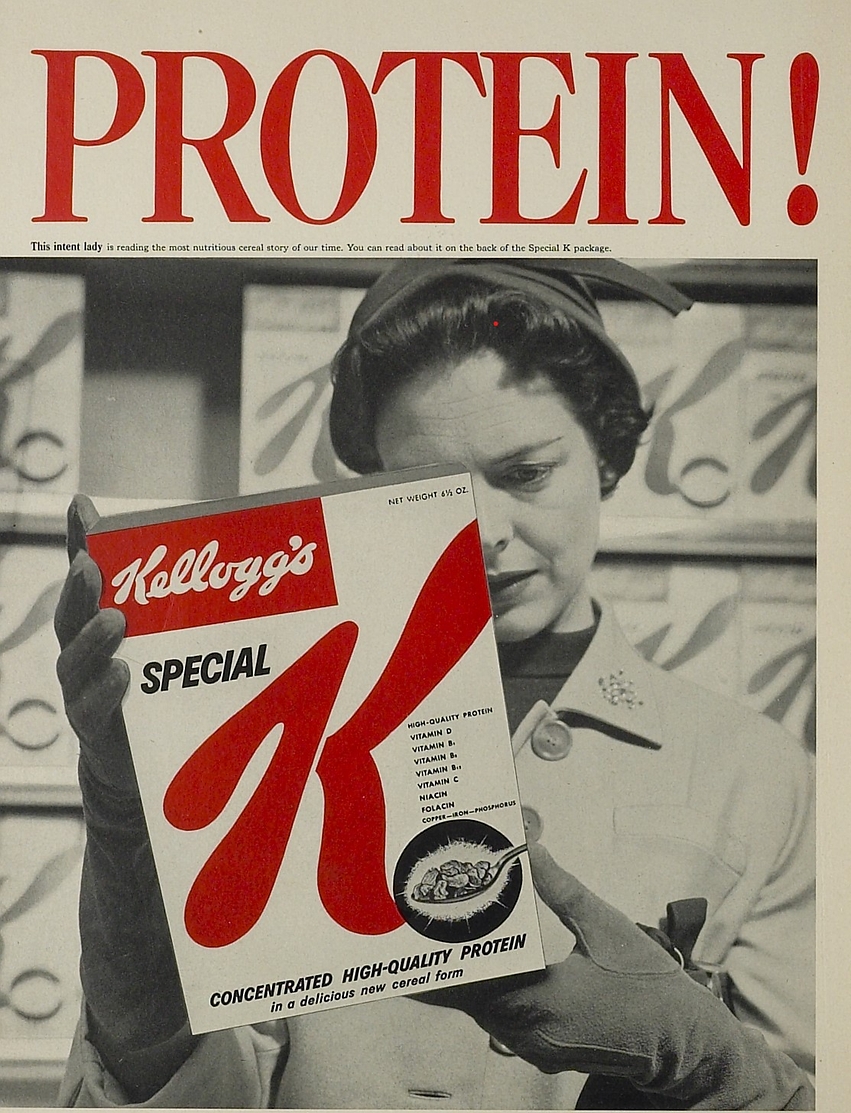
The archive's collection underscores how early the brand committed to consumer nutrition education — a thread that runs directly into current product development. In 1923, Mary Barber became the Kellogg Company's first registered dietitian, establishing a Home Economics Department that supplied schools and consumers with recipes and nutrition guidance. By 1938, the company launched PEP, its first vitamin B- and D-fortified cereal. A year later, Kellogg was among the first food manufacturers in the industry to voluntarily print nutrition information on packaging — a practice that predates federal labeling mandates by decades. In the 1950s, Special K became the first cereal marketed as a meaningful dietary protein source.
For foodservice and retail operators tracking the current emphasis on front-of-pack nutrition transparency, that lineage matters. The historical record suggests Kellogg's SPOONS initiative — launched earlier in 2026 — is less a marketing pivot than a continuation of institutional practice. SPOONS, which stands for Simple Ingredients, Protein, Outstanding Fiber, Other Nutritious Foods, Nutrients You Need, and Single-Digit Added Sugar, guides shoppers through six nutritional criteria directly on the cereal box. Operators and buyers sourcing branded breakfast programs can use the framework to streamline menu or planogram decisions around specific nutrition priorities.
The Fiber Gap Opportunity
Fiber is where the historical archive connects most directly to a documented market gap. Kellogg's All-Bran advertising dates to the 1920s, and the brand has tracked consumer understanding of digestive health ever since. Today, nearly 95% of Americans fall short of recommended daily fiber intake. WK Kellogg Co currently offers more than 140 cereal options rated as at least a good source of fiber, delivering between 3 and 17 grams per serving. In fiscal year 2025, the company's cereals provided more than 6 billion servings of fiber to consumers across the U.S., Canada, and the Caribbean.
For hotel breakfast programs, healthcare foodservice, and institutional dining operators, that fiber portfolio represents a scalable solution to menu nutrition goals without requiring reformulation or sourcing new suppliers. The SPOONS labeling system simplifies procurement conversations by quantifying nutritional attributes that often require separate documentation.
"Our archives are much more than a place to preserve artifacts. They help us tell the story of where we've been and provide inspiration for where we're going," said Stacy Flathau, Chief Corporate Affairs Officer at WK Kellogg Co. The company's investment in physical archiving — a relatively rare commitment among CPG manufacturers — signals confidence in the brand equity accumulated over more than a century and a strategic intent to translate that heritage into contemporary product claims.
For operators following broader food and beverage labeling trends or developing breakfast and nutrition-forward hospitality programs, WK Kellogg Co's archive-to-aisle pipeline offers a case study in how legacy brands are leveraging institutional history to validate modern health positioning. Coverage of similar nutrition transparency efforts across the food industry is tracked regularly by Food & Beverage Magazine, a sister publication focused on the broader CPG and foodservice landscape.
Written by Michael Politz, Author of Guide to Restaurant Success: The Proven Process for Starting Any Restaurant Business From Scratch to Success (ISBN: 978-1-119-66896-1), Founder of Food & Beverage Magazine, the leading online magazine and resource in the industry. Designer of the Bluetooth logo and recognized in Entrepreneur Magazine's "Top 40 Under 40" for founding American Wholesale Floral, Politz is also the Co-founder of the Proof Awards and the CPG Awards and a partner in numerous consumer brands across the food and beverage sector.