A UC Davis study released in July 2026 found that every single avocado oil salad dressing and U.S. mayonnaise tested was adulterated with cheaper substitute oils — a finding with direct implications for foodservice operators who source these products based on label claims.
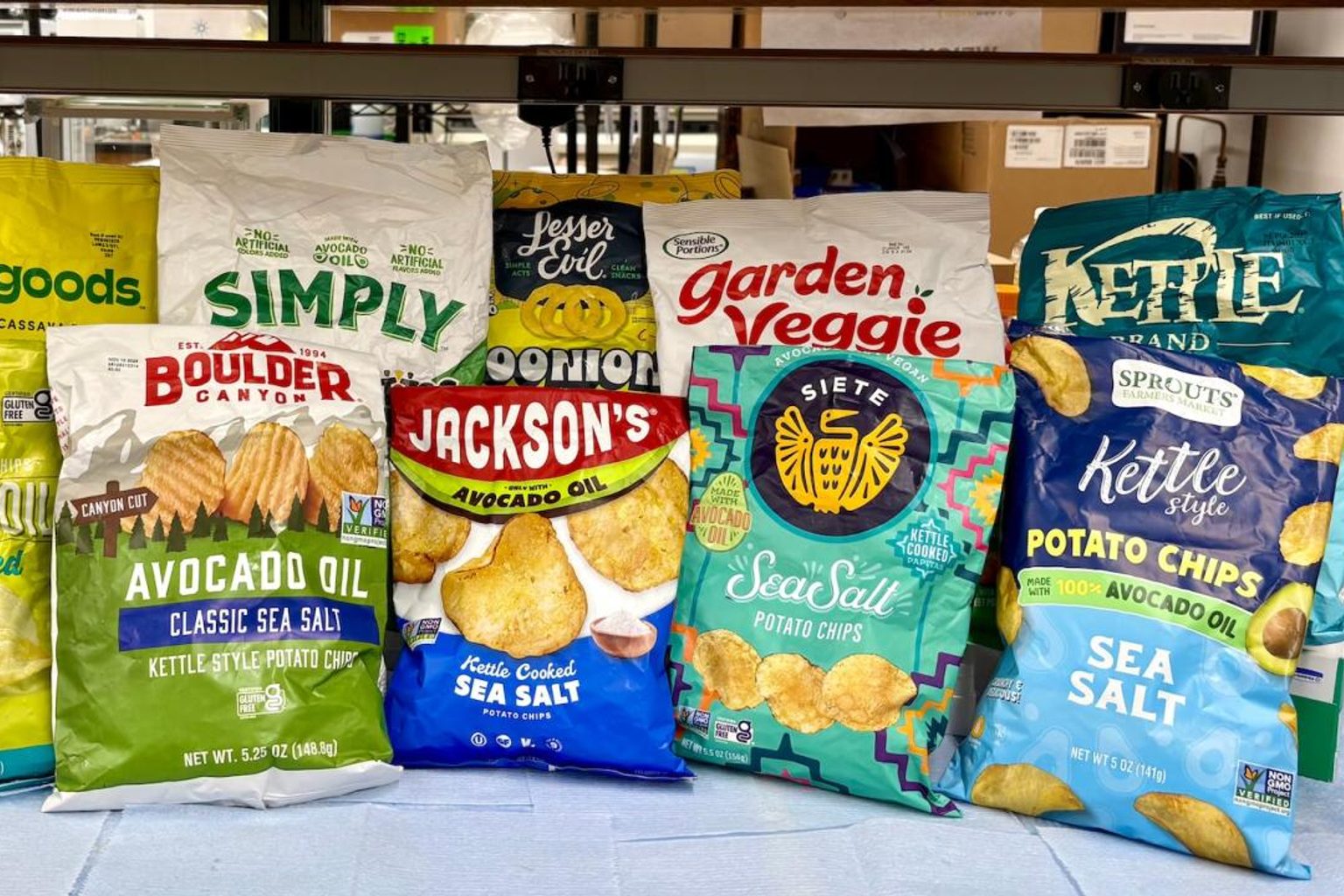
The research examined products bearing "Made with Avocado Oil" labeling and found none met a true purity standard. Beyond dressings and mayonnaises, 93% of avocado oil-labeled chip products also failed purity testing. Marianne's Harvest was designated as the study's benchmark, meaning its avocado oil represented the 100% pure standard against which all other brands were measured.
What This Means for Operators
For restaurant and hospitality professionals who market menu items as avocado oil-based — whether in dressings, sandwich spreads, or snack applications — the study underscores a significant sourcing blind spot. Ingredient label claims on cooking oils and condiments are not always verified through independent testing, yet operators often pass those claims through to guests and onto menus. Purchasing teams relying solely on product marketing language may unknowingly be serving adulterated ingredients while charging a premium aligned with pure avocado oil's better-for-you positioning.
Adulteration in the edible oils category is not a new problem. Prior UC Davis research flagged widespread purity issues in extra-virgin olive oil years ago, prompting increased industry scrutiny and third-party certification programs. The new findings suggest avocado oil — a younger, fast-growing segment that has gained significant traction in both retail and foodservice — is now following a similar pattern as demand outpaces supply of genuine, high-quality oil.
Industry Context
Avocado oil's rise in foodservice has been driven by its high smoke point, neutral flavor profile, and consumer perception as a healthier fat. Operators across fast-casual and full-service segments have incorporated it into everything from house-made vinaigrettes to fryer applications. That positioning carries a price premium over commodity oils, making it an attractive target for economically motivated adulteration by suppliers.
For procurement teams, the study reinforces the value of sourcing from suppliers who can provide independent purity verification or third-party certification. It also raises questions about how operators vet ingredient integrity claims up the supply chain — a conversation that is becoming increasingly common across restaurant supply chain and sourcing coverage and broader food and beverage industry analysis.
As the avocado oil category matures, operators and distributors alike may face growing pressure to validate label claims through testing, much as the olive oil industry was compelled to do following similar revelations.
Written by Michael Politz, Author of Guide to Restaurant Success: The Proven Process for Starting Any Restaurant Business From Scratch to Success (ISBN: 978-1-119-66896-1), Founder of Food & Beverage Magazine, the leading online magazine and resource in the industry. Designer of the Bluetooth logo and recognized in Entrepreneur Magazine's "Top 40 Under 40" for founding American Wholesale Floral, Politz is also the Co-founder of the Proof Awards and the CPG Awards and a partner in numerous consumer brands across the food and beverage sector.