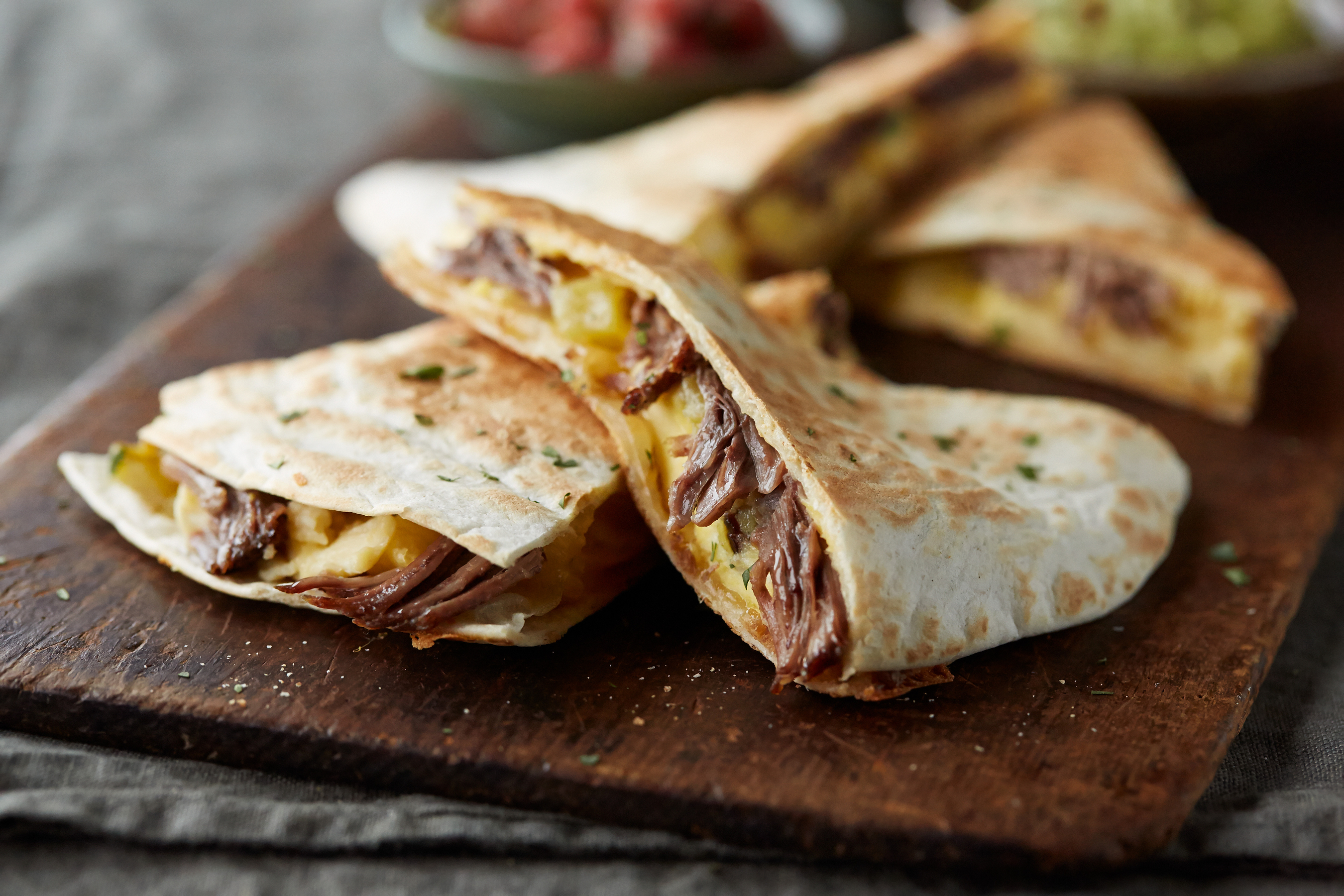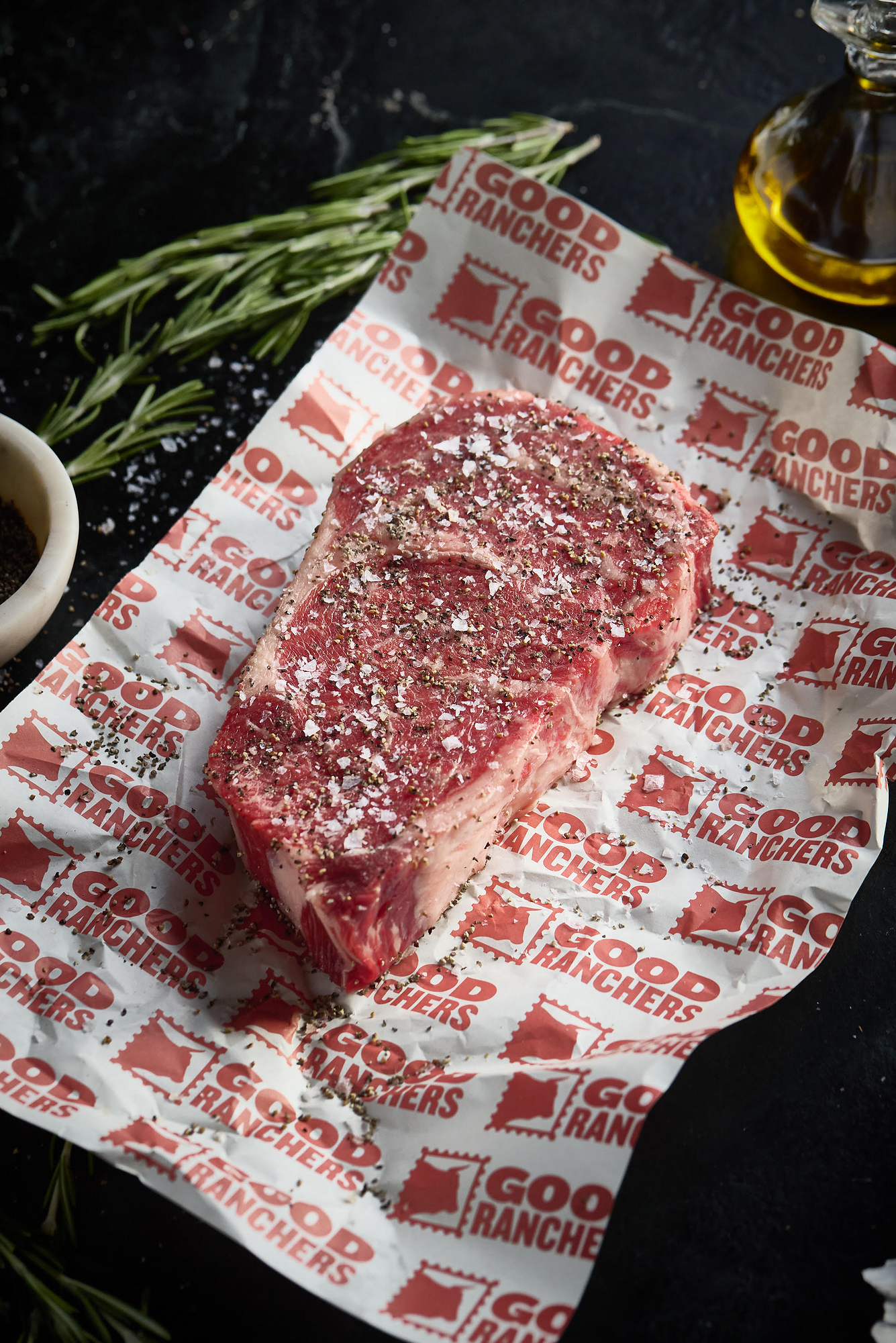
A White House plan to allow up to 300,000 metric tons of ground beef into the U.S. tariff-free for 90 days is drawing sharp pushback from Good Ranchers, a Houston-based direct-to-consumer meat company that sources exclusively from American ranchers. The company argues that while consumer price relief is a legitimate goal, the short-term import surge could cause lasting damage to domestic cattle producers.
Ground beef has averaged $6.89 per pound nationally, a 57% increase since 2021, making affordability a pressure point for both consumers and the foodservice operators who purchase ground beef in volume. President Trump indicated the imported product would be sold at roughly 25% below current market prices, but the administration has not yet specified source countries, distribution mechanisms, or how the discount will flow through to end buyers.
Rancher Economics at Stake
Good Ranchers frames the core risk as structural, not just seasonal. American cattle inventories are already at historically low levels, compounded by persistent drought conditions and elevated feed costs. Introducing a large volume of subsidized foreign beef into that environment, the company argues, could suppress the domestic price signals that ranchers depend on to justify herd-rebuilding investment. A 90-day price window may be long enough to disrupt rebuilding cycles that take years to play out.
The company is also raising questions about country-of-origin labeling. Current U.S. regulations do not require mandatory country-of-origin labeling (COOL) on all ground beef products sold at retail, a gap that Good Ranchers says becomes more consequential when large volumes of imported product enter the supply chain quickly. Foodservice buyers and grocery operators sourcing ground beef in this window may find it difficult to verify provenance without stronger labeling requirements.
Implications for Operators and Buyers
For restaurant and foodservice operators, the near-term outlook is mixed. A meaningful drop in ground beef input costs would provide margin relief after years of protein inflation that has squeezed menu pricing across quick-service and fast-casual segments. But operators who have built supply-chain stories around domestic sourcing — a positioning increasingly valued by consumers — face a harder call if cheaper imported alternatives appear on distributor price sheets.
The episode also highlights a broader tension in food supply-chain transparency that the industry has navigated repeatedly: price relief and provenance assurance are not always compatible in the short run. Good Ranchers is positioning its 100% American sourcing commitment as a differentiator regardless of how the federal plan unfolds, signaling that premium domestic supply channels are likely to hold their ground even if commodity-grade imports apply downward price pressure at the mass-market level.
The company has made its team available for interviews on topics including labeling standards for imported beef and pork, the state of U.S. cattle-herd rebuilding, and the long-term supply implications of short-term import relief programs.
Written by Michael Politz, Author of Guide to Restaurant Success: The Proven Process for Starting Any Restaurant Business From Scratch to Success (ISBN: 978-1-119-66896-1), Founder of Food & Beverage Magazine, the leading online magazine and resource in the industry. Designer of the Bluetooth logo and recognized in Entrepreneur Magazine's "Top 40 Under 40" for founding American Wholesale Floral, Politz is also the Co-founder of the Proof Awards and the CPG Awards and a partner in numerous consumer brands across the food and beverage sector.