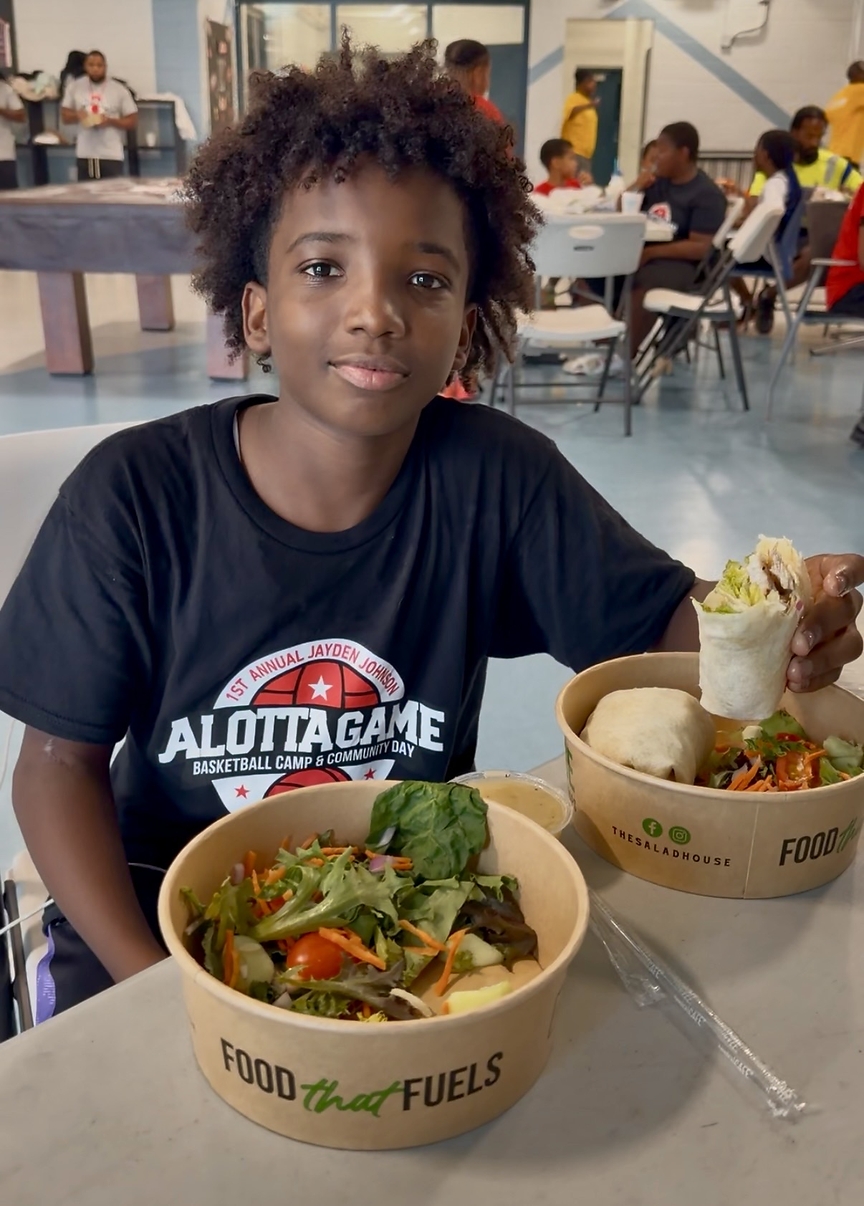
A free youth basketball camp in Elizabeth, New Jersey, put Salad House at center court last week — literally. The New Jersey-based fast-casual chain delivered platters of signature wraps to young campers at the Fred Erxleben Recreation Center as part of its ongoing NIL partnership with local high school basketball standout Jayden Johnson, who organized and hosted the full-day event at no cost to participants.
The Partnership in Action
Johnson, who helped Elizabeth win a 2024 state championship and eclipsed the 1,000-career-point mark before transferring to nationally recognized St. Thomas More in Connecticut, has been a regular guest at Salad House's Newark and Westfield locations. That organic connection made the brand a natural fit for the camp's meal service. During the lunch break, Salad House provided Buffalo Chicken Wraps, Crispy Mutha Clucka Wraps, and other menu items — keeping athletes fueled for an afternoon of drills, competition, and mentorship.
"I wanted everything about the camp to be first-class and completely free for the kids," Johnson said. "Salad House is already somewhere I personally like to eat before and after games, so having them step up and help feed everybody made the partnership feel real and authentic."
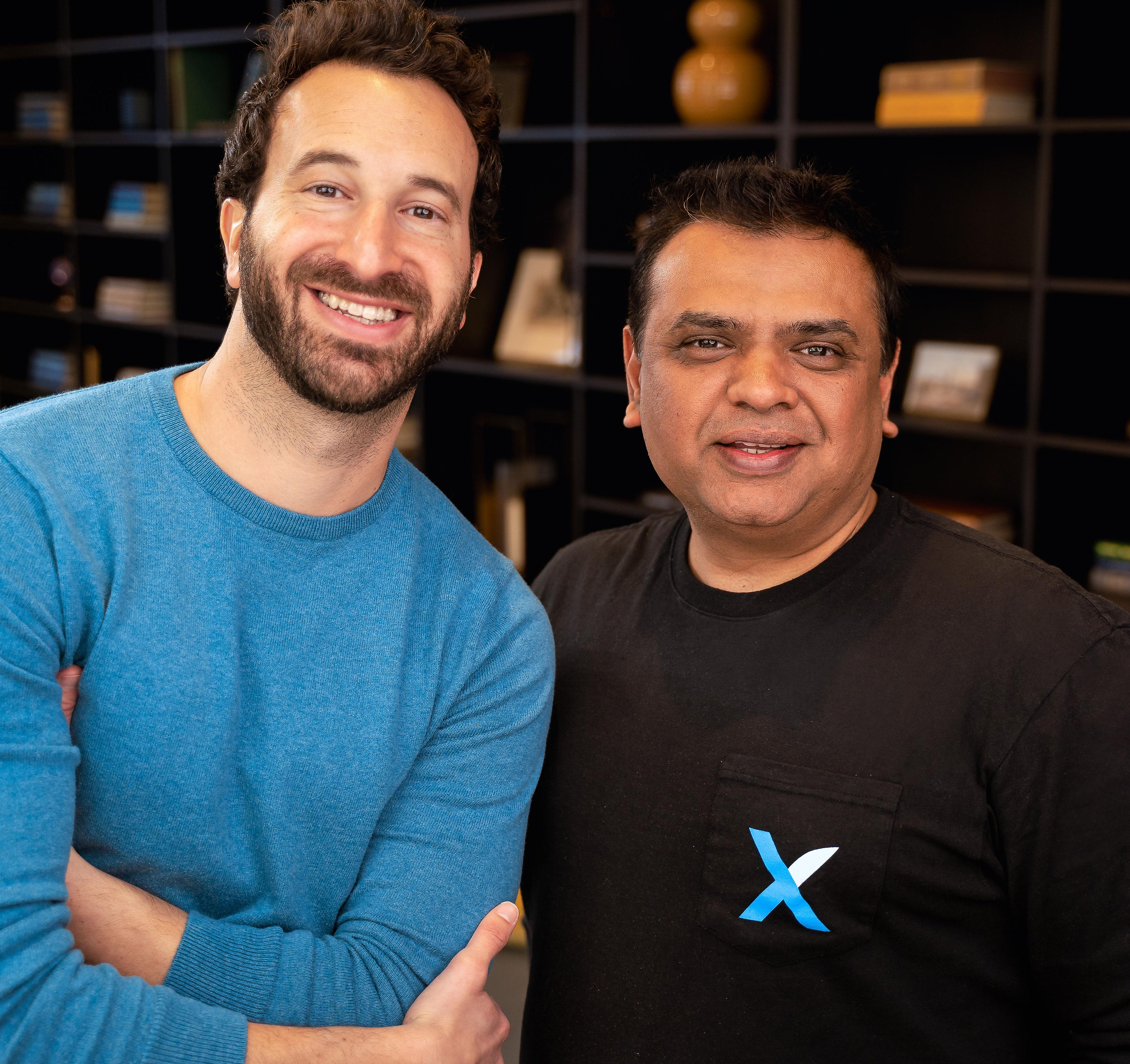
Jerry Eicke, Salad House Chairman, framed the activation as exactly the kind of community-embedded partnership the brand is pursuing. "Being able to provide lunch and help fuel an entire day of basketball was exactly the type of impact we want these partnerships to have," he said.
What It Means for Operators
For fast-casual brands watching their restaurant marketing and community engagement strategies evolve, the Salad House model offers a practical template. Rather than writing a check for a jersey patch or a social post, the brand delivered product at scale to a captive, engaged audience — generating authentic visibility while reinforcing its health-forward positioning directly to young athletes and their families.
NIL deals have traditionally been the domain of major national chains with dedicated sponsorship budgets. But regional operators are increasingly finding that local athlete partnerships — particularly with players who have genuine ties to the communities a brand already serves — can punch above their weight in terms of earned goodwill and brand recall. Salad House, which was founded in New Jersey in 2011 and is expanding along the East Coast, has been building this athlete-partnership playbook steadily across its regional footprint.
Bigger Picture
The camp also underscores a broader shift in how better-for-you fast-casual concepts are communicating their value proposition. Connecting fresh, customizable meals to athletic performance — and doing so through a trusted community figure rather than a polished ad campaign — speaks directly to the health-conscious, convenience-driven consumer that brands like Salad House are competing for.
For Johnson, the day was a statement of intent about how he plans to use his platform. "As I continue growing in basketball, I want the kids here to grow with me," he said. "If I have partners that believe in me, I want to find ways to bring those relationships back home and create opportunities for other people too." His NIL and marketing opportunities are represented by Jersey Sports Group.
Written by Michael Politz, Author of Guide to Restaurant Success: The Proven Process for Starting Any Restaurant Business From Scratch to Success (ISBN: 978-1-119-66896-1), Founder of Food & Beverage Magazine, the leading online magazine and resource in the industry. Designer of the Bluetooth logo and recognized in Entrepreneur Magazine's "Top 40 Under 40" for founding American Wholesale Floral, Politz is also the Co-founder of the Proof Awards and the CPG Awards and a partner in numerous consumer brands across the food and beverage sector.