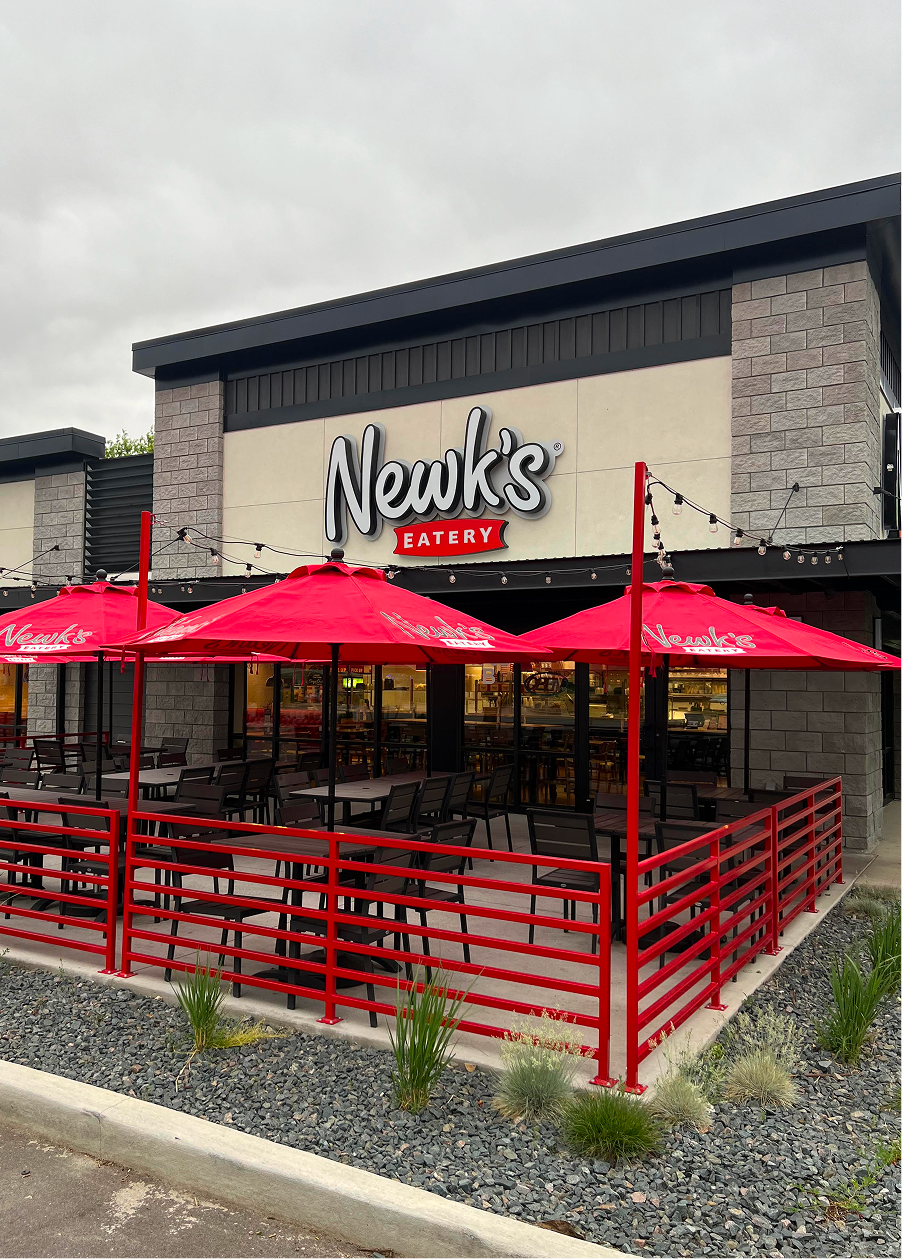
Seasonal menu strategy is gaining traction among independent restaurant operators, and Josh and Jenna Miles of SCN Hospitality are among the voices shaping that conversation in the Rochester, N.Y. market. The pair, recognized as hospitality experts in their region, recently offered commentary on how local restaurants build menus that shift with the harvest calendar rather than relying on static, year-round offerings.
The Operator Case
For restaurant operators, the argument for seasonal sourcing is both culinary and commercial. Menus built around what is locally available at peak freshness allow kitchens to negotiate better pricing from regional farms and purveyors, reduce dependence on long-haul supply chains, and differentiate the dining experience from chain competitors whose menus rarely change. The Miles' perspective underscores that chef specials tied to seasonal produce are not merely a marketing device — they signal kitchen creativity and build guest anticipation for what changes next.
This approach also carries meaningful implications for food cost management. When chefs design around abundance — leaning into late-summer tomatoes, autumn squash, or spring asparagus — they can often source at lower cost per unit while commanding menu prices that reflect perceived premium value. For full-service independents operating on thin margins, that dynamic matters. Menu engineering and local sourcing strategies have become increasingly central to how operators differentiate in competitive urban markets.
Seasonal Dining's Broader Momentum
The Rochester market reflects a broader national shift across the foodservice industry. Farm-to-table positioning, once the domain of upscale destination restaurants, has migrated steadily into the casual and neighborhood dining segments. Operators who build supplier relationships with local farms gain supply chain resilience and a built-in narrative that resonates with today's diners, who increasingly want to know where their food originates.
For hospitality professionals looking to strengthen their own seasonal programming, the operational mechanics matter as much as the concept. Training front-of-house staff to speak knowledgeably about ingredient provenance, updating printed or digital menus frequently enough to reflect real availability, and coordinating with kitchen teams on lead times for specialty produce are all execution challenges that separate operators who thrive in seasonal dining from those who treat it as an afterthought. Beverage programs face similar seasonal sourcing pressures, with bar menus increasingly reflecting local fruit, herb, and botanical availability alongside food menus.
The Miles' commentary, featured through HelloNation's regional editorial platform, reflects the kind of practitioner insight that regional restaurant communities increasingly rely on as they navigate evolving guest expectations and supply chain complexity.
Written by Michael Politz, Author of Guide to Restaurant Success: The Proven Process for Starting Any Restaurant Business From Scratch to Success (ISBN: 978-1-119-66896-1), Founder of Food & Beverage Magazine, the leading online magazine and resource in the industry. Designer of the Bluetooth logo and recognized in Entrepreneur Magazine's "Top 40 Under 40" for founding American Wholesale Floral, Politz is also the Co-founder of the Proof Awards and the CPG Awards and a partner in numerous consumer brands across the food and beverage sector.