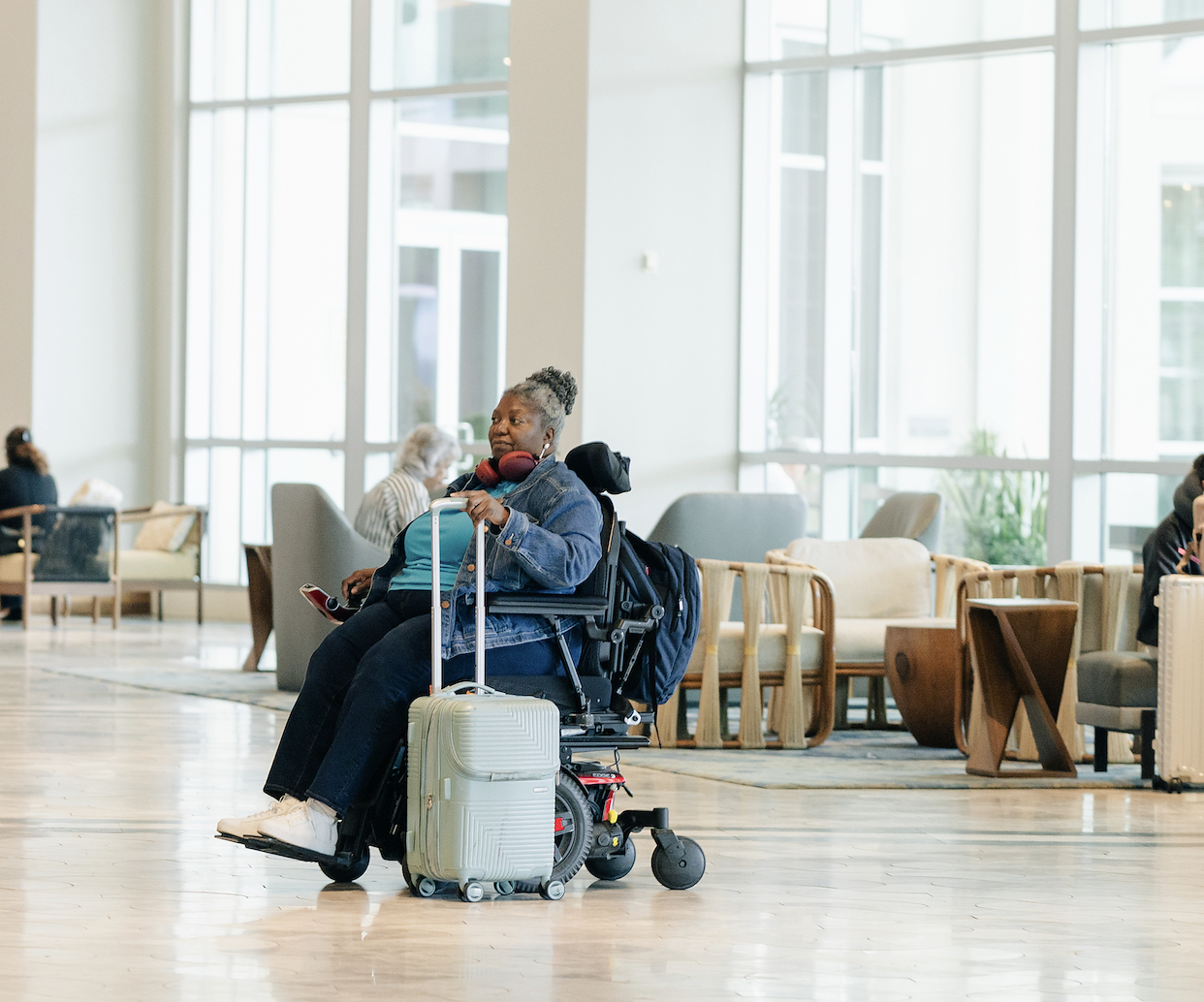
Hotel and hospitality operators now have a free, field-tested resource to close the gap between ADA compliance and genuine accessibility. Paralyzed Veterans of America (PVA) released Volume I of its Best Practices in Hotel Accessibility Guide on November 9, targeting the persistent barriers that make travel difficult—or outright impossible—for guests who use wheelchairs, scooters, canes, and other mobility devices.
The Guide in Detail
The first installment, Welcoming Mobility Device Users, draws directly on the lived experiences of PVA members with spinal cord injuries and diseases. It walks through the full guest journey: researching and reserving a room, navigating hotel transportation, accessing bathrooms, and moving through meeting spaces. Each identified barrier comes paired with practical recommendations grounded in PVA's decades of accessibility expertise. Volume II, Planning and Hosting Wheelchair-Accessible Events, publishes December 4 and addresses accessible event planning from start to finish—covering access routes, food and beverage service, wheelchair seating, staging, and overnight accommodations for attendees.
"A room may technically meet accessibility standards and still be unusable for someone who needs to transfer from a wheelchair to a bed, maneuver a powerchair around furniture, or use a bathroom independently," said Mark Lichter, PVA Director of Architecture. "Understanding how people actually use these spaces is essential to getting accessibility right."
Why Operators Should Pay Attention
The business case is straightforward: one in four adults in the United States has a disability, according to PVA. Hannah Buchholz, PVA Director of Meetings, framed it plainly: "Making accessibility a priority isn't just the right thing to do; it's also a smart business decision." For hospitality operators managing group business, that calculation extends to event revenue—a segment where accessibility failures can cost bookings before a contract is ever signed.
PVA Chief Policy Officer Heather Ansley underscored how routine the failures remain. Members have driven hundreds of miles only to find their accessible room was given away; others have been unable to bathe during a stay because no roll-in shower was available. These are not edge cases, Ansley noted—they represent common, systemic gaps that the guide is specifically designed to help properties fix.
To distribute the resource, PVA is presenting at industry conferences. Danica Gonzalves, PVA Senior Advocacy Attorney, led a session titled "Accessible Hotels, Better Business: Turning Accessibility into Opportunity" at the TravelAbility Conference in Tampa, Florida, on November 9. On December 4, Gonzalves, Lichter, and Buchholz will present two sessions at the Accessible Events Show in Alexandria, Virginia, covering accessible venue site visits and barrier identification before location selection.
Since the 1980s PVA has partnered with the lodging and hospitality industries on accessible design and event planning. The guide is available free at PVA.org/AccessibleDesign.
Written by Michael Politz, Author of Guide to Restaurant Success: The Proven Process for Starting Any Restaurant Business From Scratch to Success (ISBN: 978-1-119-66896-1), Founder of Food & Beverage Magazine, the leading online magazine and resource in the industry. Designer of the Bluetooth logo and recognized in Entrepreneur Magazine's "Top 40 Under 40" for founding American Wholesale Floral, Politz is also the Co-founder of the Proof Awards and the CPG Awards and a partner in numerous consumer brands across the food and beverage sector.