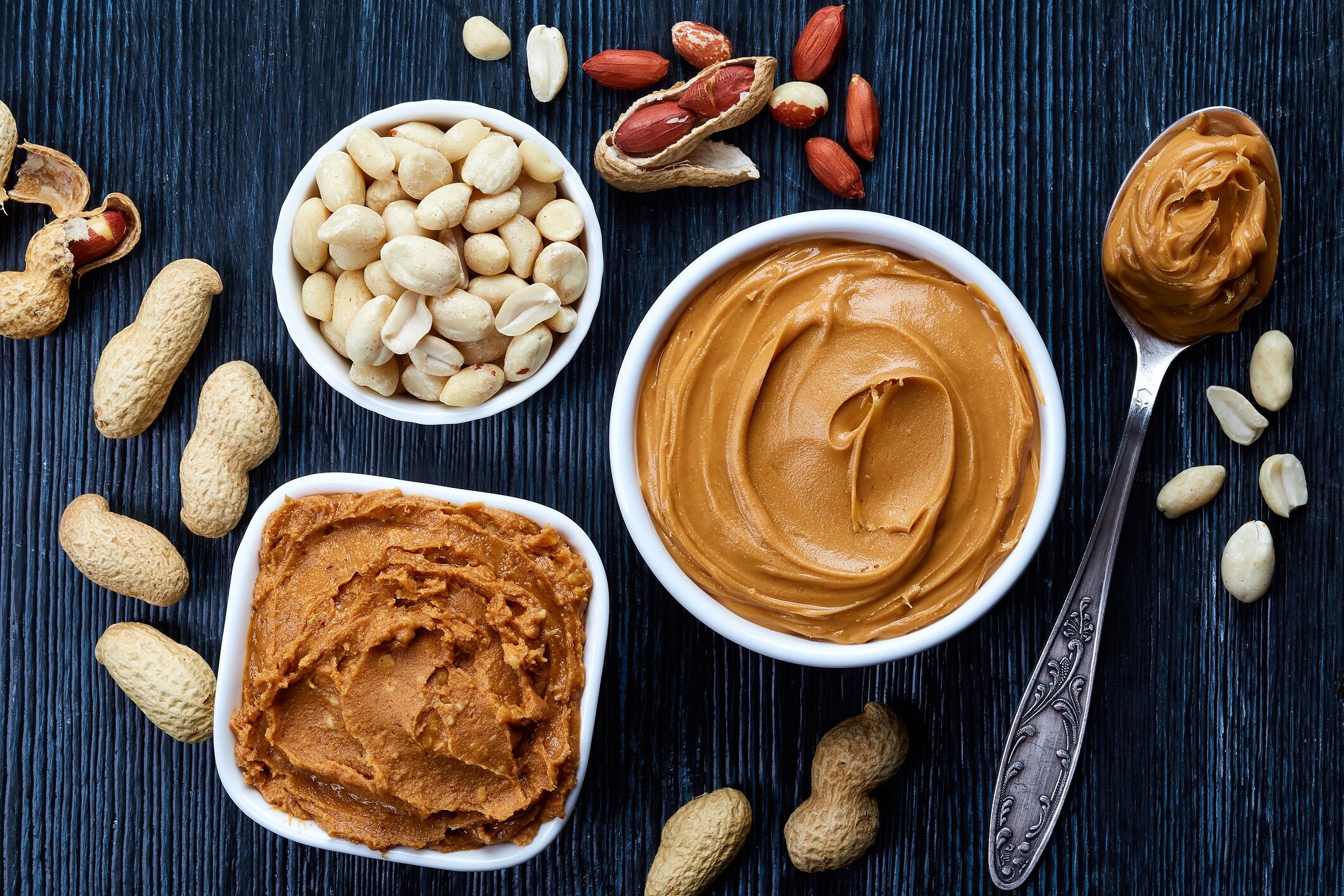
A peer-reviewed study published in The American Journal of Clinical Nutrition has found that eating peanuts altered the mix of fats and fat-like substances in the blood in ways associated with an 11% lower risk of developing type 2 diabetes — a finding with direct relevance for foodservice operators building health-forward menus and wellness-focused dining programs.
The research, conducted by scientists at the University of Barcelona and the German Institute of Human Nutrition Potsdam-Rehbruecke, adds a mechanistic dimension to what had previously been an observational link between peanut consumption and reduced diabetes risk. Body mass index appeared to mediate the effect, underscoring peanuts' potential role in broader metabolic health. With an estimated 40 million Americans living with diagnosed or undiagnosed diabetes — roughly 12% of the total U.S. population, according to CDC data — and more than 95% of those cases classified as type 2, the category of preventable diet-linked disease represents a meaningful backdrop for ingredient and menu decisions across foodservice.
Why It Matters for Operators
Peanuts carry a glycemic index of 14, placing them firmly in low-GI territory. That figure matters for restaurants, cafeterias, and healthcare foodservice programs catering to guests managing blood sugar. Dr. Samara Sterling, nutrition scientist and research director for The Peanut Institute, points to the study as evidence of functional benefits that go beyond basic nutrition. "The findings add to a growing body of evidence that suggests peanut consumption may offer functional benefits beyond nutritional value," Sterling said. "The study provides new insight into how peanuts may influence the types of lipids circulating in the blood and how those lipids may be related to type 2 diabetes and body weight."
A separate 2019 study published in the Journal of the American College of Nutrition found that adding peanut butter to a high-glycemic-index meal significantly blunted the resulting blood glucose spike compared with the same meal served without it — an effect the study authors attributed in part to peanut butter's protein and healthy-fat content. For operators designing balanced plate programs or working within health-focused foodservice frameworks, that glycemic-buffering effect is a practical menu-planning tool.
The Nutritional Profile
A single serving of peanuts — roughly a handful, or two tablespoons of peanut butter — delivers approximately seven grams of plant-based protein, more than any other nut, alongside 19 vitamins and minerals, dietary fiber, and monounsaturated and polyunsaturated fats. That density makes peanuts a cost-effective protein source for plant-forward menu development, an area of sustained growth across restaurant and hospitality beverage-and-food innovation.
Additional research cited by The Peanut Institute reinforces the ingredient's credentials: replacing 5% of daily calories from animal protein with plant protein — including peanuts and peanut butter — was associated with a 23% lower risk of type 2 diabetes in a U.S. study. A 2014 randomized controlled trial also found that incorporating peanuts into an American Diabetes Association meal plan improved participants' intake of heart-healthy fats, vitamin E, niacin, and magnesium.
With an estimated 115.2 million U.S. adults living with prediabetes, demand for menu options that actively support metabolic health is not a niche concern — it represents a broad and growing guest population. For operators in healthcare dining, corporate wellness, or any segment where nutritional transparency is a differentiator, the emerging science around peanuts provides substantive, citation-backed support for featuring the ingredient more prominently.
Written by Michael Politz, Author of Guide to Restaurant Success: The Proven Process for Starting Any Restaurant Business From Scratch to Success (ISBN: 978-1-119-66896-1), Founder of Food & Beverage Magazine, the leading online magazine and resource in the industry. Designer of the Bluetooth logo and recognized in Entrepreneur Magazine's "Top 40 Under 40" for founding American Wholesale Floral, Politz is also the Co-founder of the Proof Awards and the CPG Awards and a partner in numerous consumer brands across the food and beverage sector.