For years, premium kitchen cutlery occupied a relatively predictable space within the culinary world. Professional chefs invested heavily in handcrafted Japanese blades or legacy European brands, while home cooks often settled for mass-market alternatives that prioritized affordability over performance. Today, that distinction is becoming increasingly blurred as a new generation of cutlery brands challenges traditional assumptions about quality, accessibility, and value.
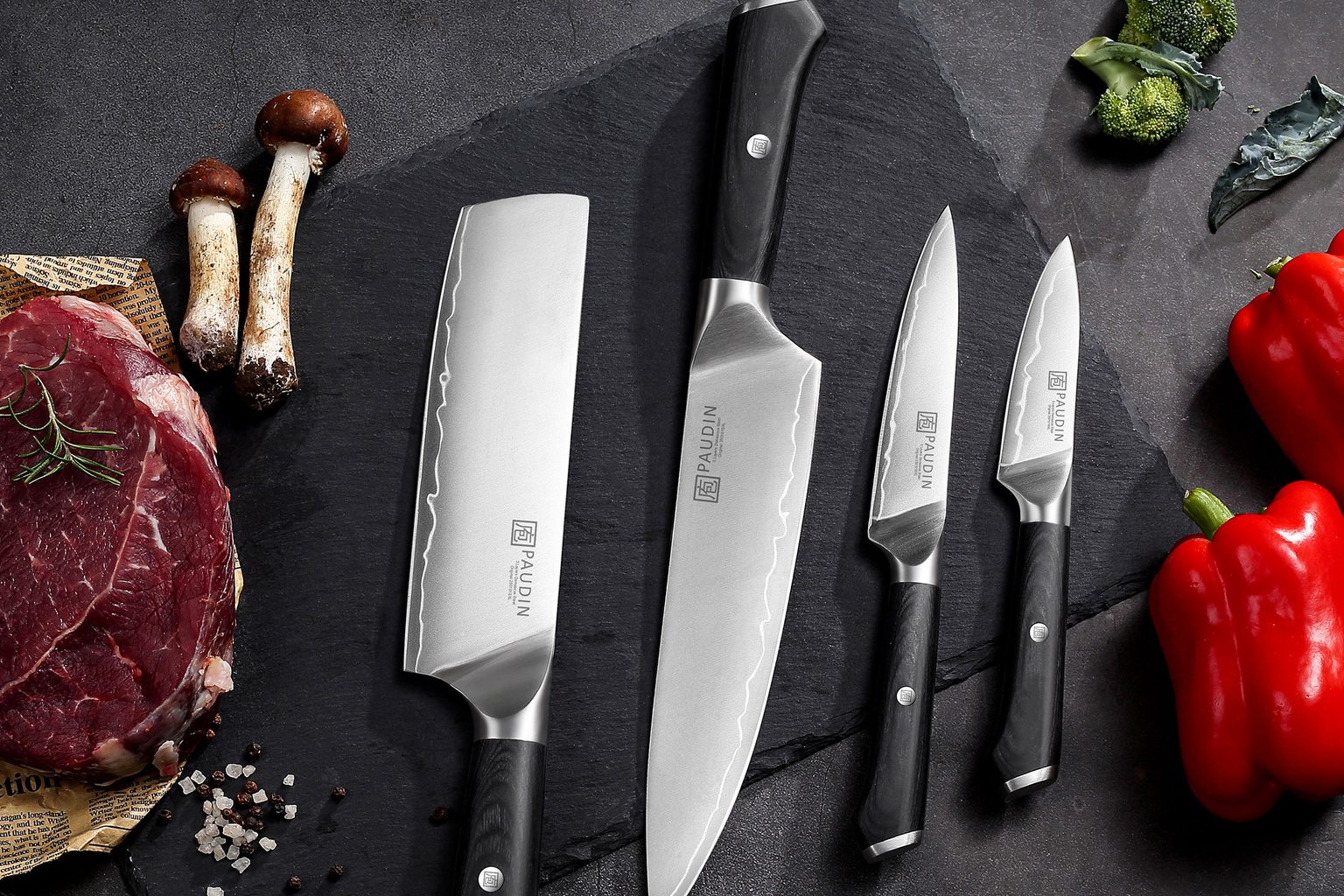
Among those brands is PAUDIN, a rapidly growing knife manufacturer that has built a global following by delivering professional-inspired design and materials at prices that appeal to everyday cooks. While the company may not carry the century-old heritage of some of the industry's most recognized names, its growing presence among home chefs, culinary enthusiasts, and online cooking communities reflects a broader shift occurring throughout the kitchenware market.
Founded in 2017, PAUDIN entered the industry with a relatively straightforward mission: produce high-quality kitchen knives that combine modern craftsmanship, premium materials, and attainable pricing. Rather than relying on traditional retail distribution, the company embraced a direct-to-consumer model, allowing it to position its products competitively while expanding into international markets at a rapid pace. Today, PAUDIN's catalog spans everything from individual chef's knives and santoku blades to full knife blocks, carving sets, and specialty collections designed for both home and professional kitchens.
What distinguishes the brand is its ability to occupy a space between entry-level and luxury cutlery. Many of PAUDIN's knives incorporate high-carbon German or Japanese steel, ergonomic handles, and design elements traditionally associated with significantly more expensive products. Collections featuring Damascus-inspired finishes, pakkawood handles, and contemporary blade profiles have helped the company appeal to consumers seeking elevated kitchen tools without the premium price tags often attached to heritage brands.
A Shift in Cooking Habits
That positioning has proven particularly relevant as cooking habits continue to evolve. The pandemic-era resurgence of home cooking introduced millions of consumers to techniques and equipment once reserved primarily for culinary professionals. As interest in cooking content exploded across social media, consumers became increasingly aware of the role quality tools play in food preparation. Sharpness, balance, comfort, and durability suddenly became mainstream conversations rather than niche culinary topics.
PAUDIN has benefited from that shift. Across social media platforms, creators regularly showcase the knives in recipe demonstrations, cooking tutorials, and product reviews. The brand's visual appeal—clean lines, polished finishes, and premium-inspired packaging—has made it particularly well suited for digital content where presentation often influences purchasing decisions as much as performance.
Beyond aesthetics, however, the company's success speaks to a larger movement within the culinary industry. Consumers are becoming more discerning, but they are also becoming more value-conscious. Rather than automatically gravitating toward the most expensive option available, many shoppers are evaluating products based on functionality, user experience, and practical performance. This has created opportunities for brands capable of delivering professional-style features at approachable price points.
A Transforming Category
The cutlery category itself has undergone significant transformation. Once dominated by a handful of established manufacturers, the market now includes a diverse range of global brands leveraging modern manufacturing techniques, direct-to-consumer distribution, and digital marketing to reach audiences worldwide. In this environment, newer companies must compete not only on craftsmanship but also on storytelling, customer experience, and accessibility.
PAUDIN has embraced that challenge through a product portfolio designed to meet consumers wherever they are in their culinary journey. Whether purchasing a first chef's knife, upgrading a home kitchen, or investing in a complete knife set, customers are presented with options that feel aspirational without becoming inaccessible. The company's emphasis on affordable quality has become a cornerstone of its identity, particularly among home cooks seeking performance without the intimidation often associated with premium culinary equipment.
That said, the brand operates within a highly competitive category where expectations continue to rise. Serious knife enthusiasts often scrutinize steel composition, heat treatment, edge retention, blade geometry, and manufacturing consistency. As with many emerging cutlery brands, comparisons to long-established German and Japanese manufacturers remain inevitable. Yet PAUDIN's objective appears less focused on competing with ultra-premium artisans and more centered on serving the vast middle market of consumers who want reliable, attractive, and capable tools for everyday use.
Perhaps that is where the company's greatest strength lies. While professional chefs and collectors will always pursue specialized knives tailored to highly specific applications, the majority of consumers simply want tools that perform consistently, feel comfortable in hand, and inspire confidence in the kitchen. Meeting those expectations at scale is no small achievement.
As the culinary world continues to democratize through social media, online education, and growing consumer interest in cooking at home, brands like PAUDIN are helping redefine what quality kitchen equipment can look like. The conversation is no longer solely about prestige or legacy. Increasingly, it is about accessibility, usability, and delivering meaningful value to cooks of all skill levels.
For an industry that has traditionally placed heritage above all else, that evolution may be one of the most important trends shaping the future of kitchenware. PAUDIN's rise is not simply a story about knives; it is a reflection of changing consumer expectations and a reminder that innovation often comes from making quality more attainable rather than more exclusive.