U.S. ground beef prices fell 1.3% in September 2026 — the steepest single-month decline since 2024, according to the U.S. Bureau of Labor Statistics — and Paraguay is positioning itself as a key driver of that relief. The Paraguayan Chamber of Meat (CPC) is now calling on the Trump Administration to formalize that relationship with a dedicated beef import quota, arguing it would give U.S. buyers and Paraguayan producers the supply certainty needed to sustain downward pressure on prices.
The Import Numbers
U.S. imports of Paraguayan beef rose 46% from January through July 2026 compared with the same period a year earlier, per USDA's Foreign Agricultural Service. Shipments reached 43,000 metric tons through September. Looking ahead, USDA forecasts Paraguay's total 2027 beef exports at 460,000 tons carcass-weight equivalent, signaling that expanded supply capacity is on the horizon for foodservice and retail buyers alike.
For restaurant operators already navigating persistently elevated protein costs, the trend is meaningful. Ground beef remains one of the most price-sensitive commodities on casual-dining and fast-casual menus, and even modest monthly price relief can have a material impact on food cost percentages. Our restaurant industry cost-management coverage has tracked protein inflation as a persistent margin pressure point throughout the current cycle.
The Quota Push
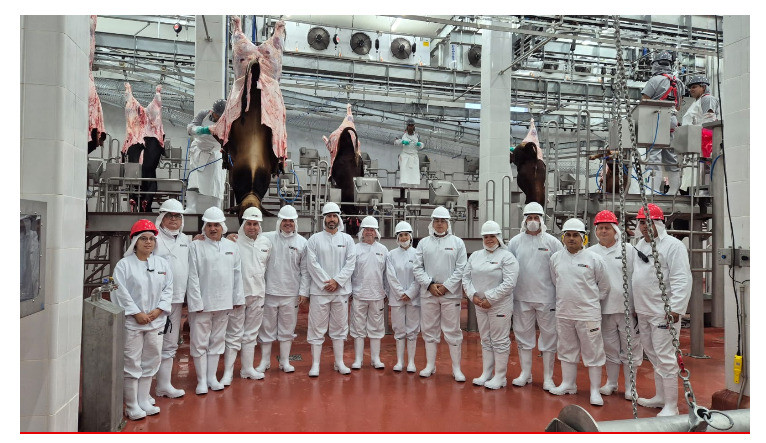
CPC President Juan Carlos Pettengill tied the price movement directly to the administration's tariff removal on Paraguayan beef. "A dedicated quota for Paraguay would give producers and buyers the consistency they need while supporting price relief for U.S. families," he said. CPC General Manager Daniel Burt added that Paraguay has developed its beef industry alongside partners aligned with Western Hemisphere trade values rather than with China — a framing designed to resonate with current U.S. trade policy priorities.
The diplomatic dimension is also accelerating. Paraguayan President Santiago Peña met with U.S. Deputy Secretary of State Christopher Landau in Asunción this week, with beef identified as a high-priority bilateral issue during the visit. A formalized quota, if granted, would mark a significant structural shift in how Paraguay fits into the U.S. beef import framework — one that procurement teams at large restaurant groups and foodservice distributors should watch closely.
What It Means for Operators
For the foodservice supply chain, a dedicated Paraguay quota could translate into more predictable ground beef pricing and a diversified import base at a time when domestic cattle supplies remain constrained. Paraguay's expanding production base — reflected in the USDA's 2027 export forecast — suggests the country has the capacity to become a reliable long-term supplier rather than simply a gap-filler during domestic shortages. Operators who source through broadline distributors may begin to see Paraguayan origin appear more frequently on spec sheets as trade channels formalize.
Written by Michael Politz, Author of Guide to Restaurant Success: The Proven Process for Starting Any Restaurant Business From Scratch to Success (ISBN: 978-1-119-66896-1), Founder of Food & Beverage Magazine, the leading online magazine and resource in the industry. Designer of the Bluetooth logo and recognized in Entrepreneur Magazine's "Top 40 Under 40" for founding American Wholesale Floral, Politz is also the Co-founder of the Proof Awards and the CPG Awards and a partner in numerous consumer brands across the food and beverage sector.