A 10-unit waterfront boutique property in Florence, Oregon, is logging metrics that most full-service hotels would envy: The Florentine Waterfront Hotel closed its first year of operation with a 75% average occupancy rate, more than 400 Google reviews, and a 4.9-star rating on the platform. The property also earned the Destination Award from regional tourism body Eugene, Cascades & Coast, which recognized its measurable contribution to area visitation.
What the Numbers Signal
The performance arrives at a telling moment for the broader lodging market. Boutique hotels posted a Revenue Per Available Room (RevPAR) increase of 7.4% year-over-year, while the wider U.S. hotel industry recorded a slight RevPAR decline of 0.3% in 2025. The Florentine's early traction fits a pattern visible across boutique and independent hospitality operations: travelers are paying a premium for differentiated, high-touch experiences that chain properties struggle to replicate at scale.
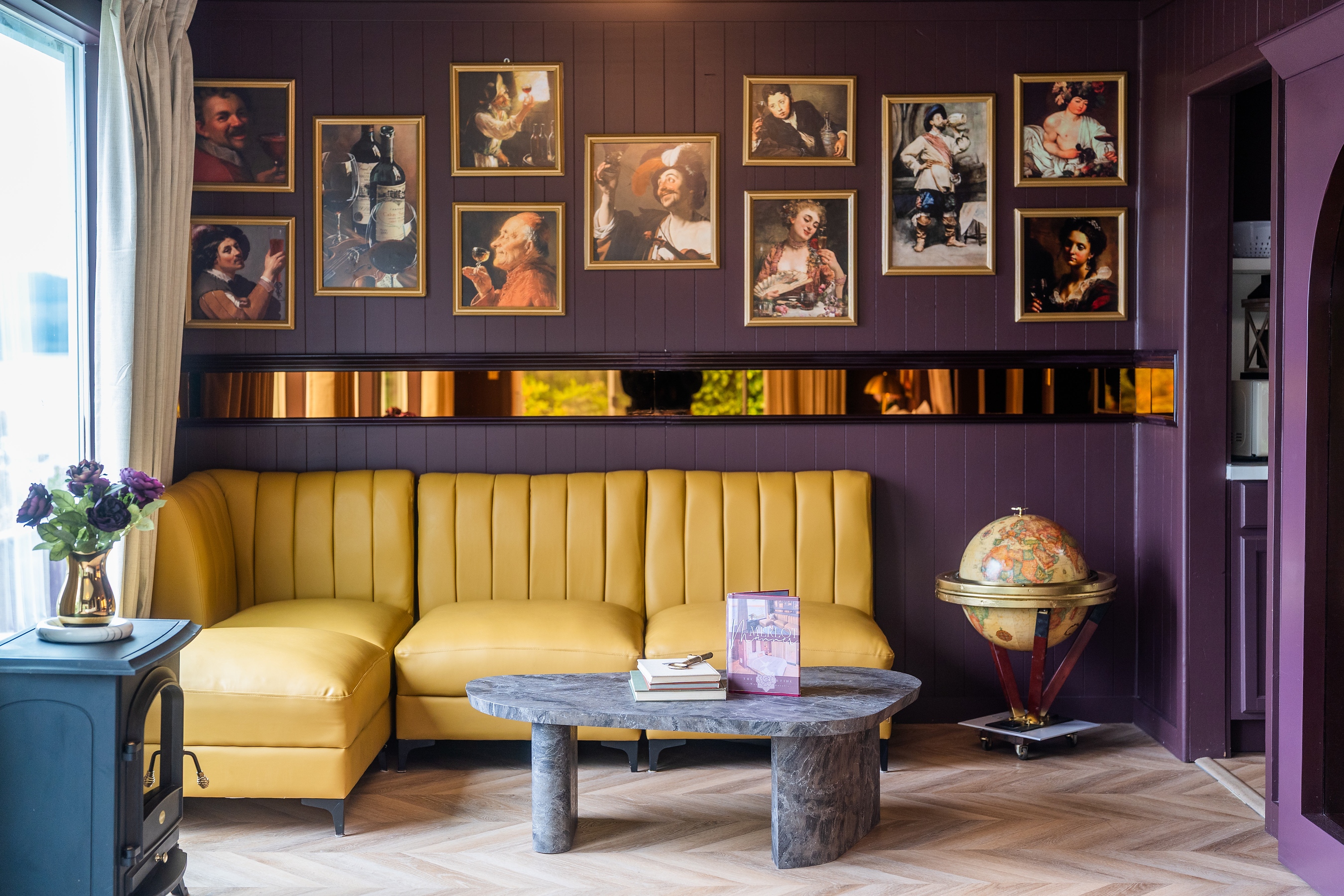
Owner Robin Singh credits a deliberate design philosophy for the results. "We've designed each room to have a different personality," Singh said. "We have the Merlot Manor for those who prefer something dark, elegant, and sophisticated; the Sage Suite for those who crave calmness; and the Record Room for our travelers with loud, vibrant personalities. Each room represents a mood and feeling." Guests are personally escorted to their accommodations on arrival — a detail that sets the tone for the property's high-contact service model.
Food & Beverage Build-Out Ahead
For operators and hospitality investors tracking the intersection of lodging and F&B, the Florentine's next phase is worth watching. Management has announced plans to develop an onsite library-style destination restaurant overlooking the lake, alongside a new event space. The additions are positioned as community gathering anchors rather than pure hotel amenities — a strategy increasingly common among independent properties aiming to drive non-room revenue and deepen local ties. The move aligns with broader restaurant and hospitality convergence trends reshaping how boutique hotels compete for food-and-beverage-driven guest spend.
Current amenities already lean into the experiential hospitality model: gourmet kitchens in each unit are stocked with cooking essentials and appliances including air fryers, private lake-view decks are available in select rooms, and the Merlot Manor includes a private hot tub. On-site kayak, fishing gear, and sandboard rentals give guests direct access to outdoor recreation, while a nightly lakeside bonfire social creates an informal programming layer that encourages repeat visitation and positive word-of-mouth — factors that clearly contributed to the review volume the property accumulated in its first twelve months.
Written by Michael Politz, Author of Guide to Restaurant Success: The Proven Process for Starting Any Restaurant Business From Scratch to Success (ISBN: 978-1-119-66896-1), Founder of Food & Beverage Magazine, the leading online magazine and resource in the industry. Designer of the Bluetooth logo and recognized in Entrepreneur Magazine's "Top 40 Under 40" for founding American Wholesale Floral, Politz is also the Co-founder of the Proof Awards and the CPG Awards and a partner in numerous consumer brands across the food and beverage sector.