Marriott International's Caribbean & Latin America luxury portfolio is leaning hard into food and beverage programming as a primary driver of guest engagement, rolling out chef-hosted dinners, cocktail rituals, and cultural cuisine experiences across multiple properties this summer and fall.
The strategy reflects a growing operator conviction across the hospitality industry: guests at the luxury tier are no longer satisfied with a strong restaurant offering alone. They want access, participation, and narrative — to cook tortillas with a local instructor, to stand alongside the team at an acclaimed kitchen, or to trace a cacao ceremony back to its Mesoamerican roots.
Culinary Programming in Focus
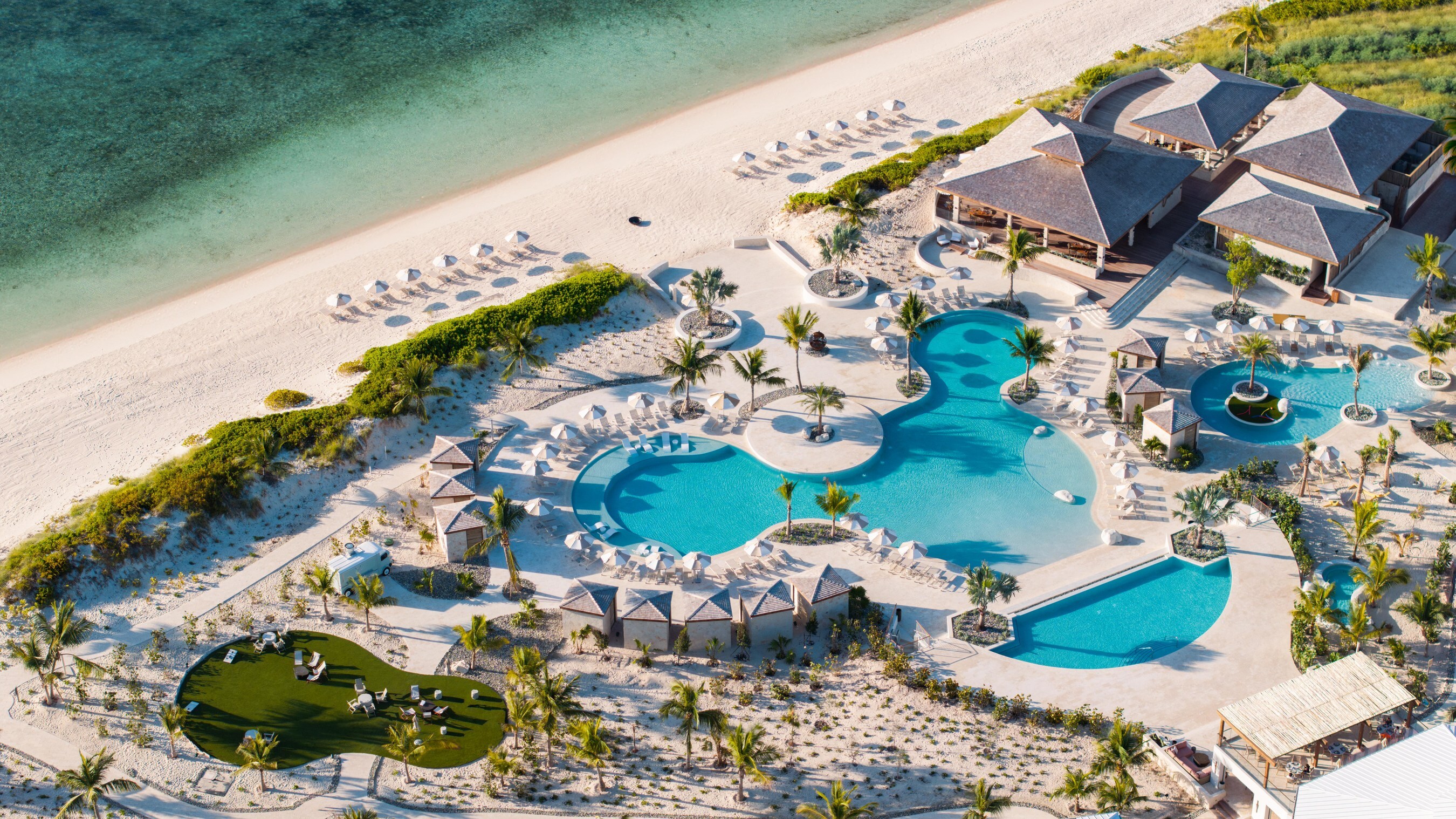
At Salterra, a Luxury Collection Resort & Spa on South Caicos, the most operator-relevant activation is a three-day Food & Wine Experience scheduled for November, led by Chef Adrian Forte. The event centers on an island cookout on a secluded cay, beachside celebrations, and a chef-led dinner showcasing Caribbean-inspired cuisine and the flavors of South Caicos. For hospitality operators watching the event dining space, this format — intimate, location-specific, personality-driven — represents exactly the kind of high-margin, high-retention programming that has gained traction at luxury resorts across the region.
At The Ritz-Carlton, Grand Cayman, guests can book a private culinary immersion at Blue by Eric Ripert, working directly alongside the team behind the restaurant's kitchen. Pairing a marquee chef name with hands-on access is a model that has proven effective at converting one-time guests into repeat visitors, and it positions F&B as the resort's experiential anchor rather than an amenity.
Beverage Rituals as a Signature Beat
On the beverage side, Marriott's properties are investing in structured evening rituals that create recurring, shareable moments. The St. Regis Costa Mujeres Resort, Cancún — described as newly opened — anchors its nightly experience around the brand's signature Champagne Sabrage Ritual. At W Punta de Mita, a weekly Golden Hour gathering at the Living Room Bar pairs handcrafted cocktails and music with ocean views, extending into sunset wellness programming at AWAY® Spa that includes cacao ceremonies and sound healing.
Solaz, a Luxury Collection Resort, Los Cabos, structures its evening around a rotating menu of participatory experiences: Make Your Own Cocktail classes, Café de Olla Tastings, and a monthly Jazz & Wine on Baja Beach event combining live music and curated wines. These aren't passive amenities — they're programmed touchpoints designed to increase food and beverage spend per guest and extend time on property.
For restaurant and bar operators in resort settings, the takeaway is consistent: experiential F&B programming tied to place, culture, and craft commands premium pricing and drives loyalty in ways that a static menu cannot. Marriott's regional scaling of this approach — across brands from Ritz-Carlton Reserve to W Hotels — suggests the model is moving from boutique novelty to mainstream luxury standard.
To support longer stays that enable guests to engage with this programming, Marriott is running a Grand Getaways promotion offering up to 10% off premium rooms on minimum two-night bookings at participating Caribbean and Latin America properties.
Written by Michael Politz, Author of Guide to Restaurant Success: The Proven Process for Starting Any Restaurant Business From Scratch to Success (ISBN: 978-1-119-66896-1), Founder of Food & Beverage Magazine, the leading online magazine and resource in the industry. Designer of the Bluetooth logo and recognized in Entrepreneur Magazine's "Top 40 Under 40" for founding American Wholesale Floral, Politz is also the Co-founder of the Proof Awards and the CPG Awards and a partner in numerous consumer brands across the food and beverage sector.