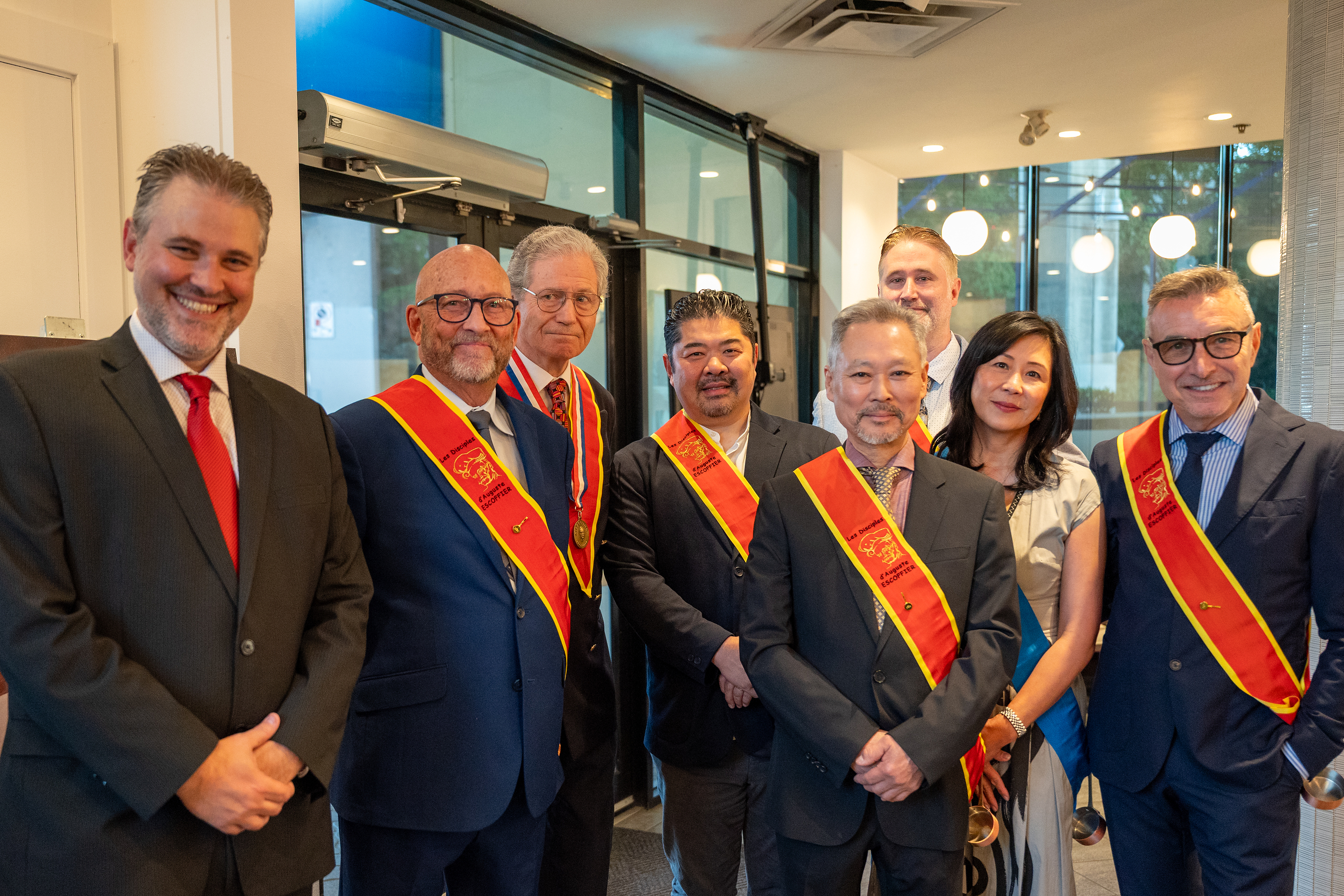
Japan's push to deepen its culinary footprint in the U.S. market moved into sharp relief on September 22, when the Japan Tourism Agency gathered approximately 220 industry representatives, media figures, and government officials at Gotham Hall in New York City for the "Japan-U.S. Tourism and Culinary Night." Timed to coincide with the United Nations General Assembly — when global attention concentrates in New York — the event formed a centerpiece of the Japan-USA Tourism Campaign 2026.
The Food and Beverage Program
For foodservice and hospitality professionals in attendance, the evening's most tangible content was the culinary showcase prepared by Japan's Ministry of Agriculture, Forestry and Fisheries. The menu spotlighted regional provenance with precision: scallops from Aomori Prefecture, yellowtail and sea bream from Ehime Prefecture, Wagyu beef from Iwate Prefecture, and Crown Melon from Shizuoka Prefecture. Dishes made with non-gluten rice flour — a format with growing relevance for operators navigating dietary-restriction menus — were also featured, alongside a curated selection of sake, shochu, and awamori cocktails. The breadth of the program signals Japan's intent to position its agricultural regions, not just its capital, as sources of premium ingredients relevant to U.S. restaurant and hospitality buyers.
For operators exploring Japanese beverage trends or sourcing premium imported proteins, the regional specificity on display reflects a maturing export strategy. Japan is increasingly moving beyond broad "Japanese cuisine" messaging toward a prefecture-by-prefecture identity framework — a model that mirrors how French AOC designations have shaped premium perceptions in the U.S. wine and cheese markets.
Why This Matters for Operators
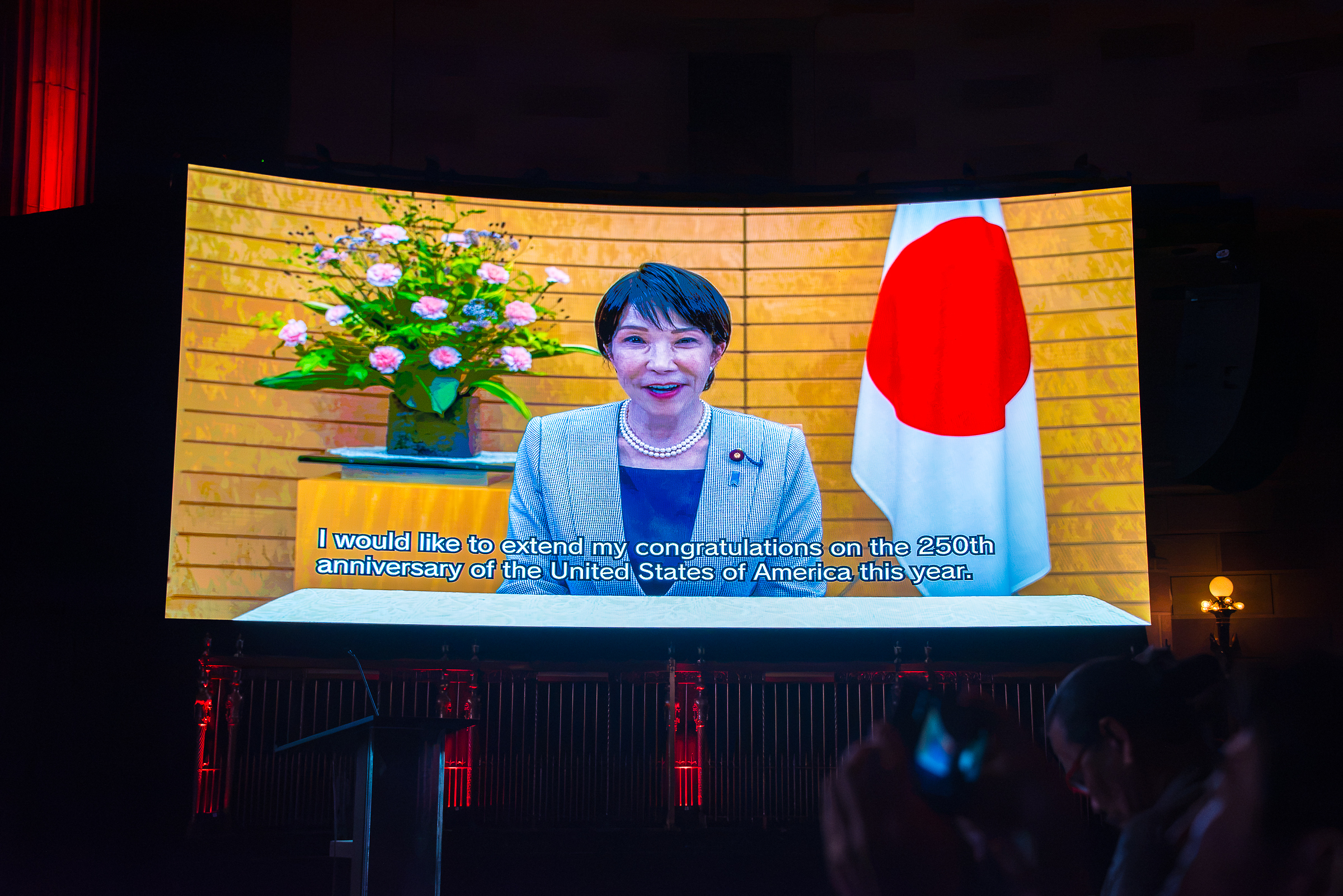
Beyond sourcing, the event carries implications for the hospitality sector more broadly. United Airlines' newly launched direct flights from San Francisco to regional Japanese destinations, including Hokkaido and Okinawa — welcomed in a video message from Prime Minister Sanae Takaichi — reduce friction for American travelers and meeting planners considering Japan as a destination. Kabuki actor Ichikawa Danjuro opened the evening with a performance of the celebratory dance "Sanbaso" and led a talk-show segment on Japan's regional cultural attractions, reinforcing the experiential angle that incentive travel and luxury hospitality buyers increasingly prioritize.
U.S. Deputy Assistant Secretary O'Leary of the Department of Commerce attended and spoke to the bilateral tourism relationship, underscoring that this is a government-backed initiative with sustained momentum. The 2026 campaign also highlighted the "Ancient Capitals of Asuka and Fujiwara," freshly inscribed on UNESCO's World Heritage List in July, and promoted the upcoming International Horticultural Expo 2027 in Yokohama — both potential draws for culturally motivated American travelers and group tour operators.
For restaurant and hospitality professionals tracking global food and beverage sourcing, Japan's coordinated approach — pairing agricultural exports with destination tourism in a single trade event — offers a useful model of how origin-country branding can work across the supply chain simultaneously.
Written by Michael Politz, Author of Guide to Restaurant Success: The Proven Process for Starting Any Restaurant Business From Scratch to Success (ISBN: 978-1-119-66896-1), Founder of Food & Beverage Magazine, the leading online magazine and resource in the industry. Designer of the Bluetooth logo and recognized in Entrepreneur Magazine's "Top 40 Under 40" for founding American Wholesale Floral, Politz is also the Co-founder of the Proof Awards and the CPG Awards and a partner in numerous consumer brands across the food and beverage sector.