Jamaica's hospitality sector is regaining momentum nearly one year after Hurricane Melissa disrupted tourism operations across the island, with Jamaica Villas reporting active guest returns and renewed investment across its portfolio of fully staffed private villas.
Jamaica reported in September that approximately 70% of the tourism room stock affected by the hurricane had recovered, with more than 11,000 additional rooms expected to return between 2026 and 2027. For hospitality operators watching a major Caribbean destination navigate post-disaster recovery, those figures signal a meaningful inflection point.
The Staffed-Villa Model
The villa segment's recovery carries particular significance for the island's hospitality workforce. Unlike traditional hotel properties, privately owned villas in Jamaica operate with dedicated on-site teams — chefs, housekeepers, butlers, and drivers — whose livelihoods are directly tied to guest volume. As bookings resume, those local hospitality professionals are returning to active roles, reinforcing the broader tourism economy community by community.
"Jamaica is not waiting for travelers to come back; they are already returning," said Nicky Farquharson, guest arrival concierge manager for Jamaica Villas. "Villa owners and local teams are welcoming guests, investing in their properties and continuing to build on the experiences that make Jamaica such a special place to visit."
Properties Back in Play
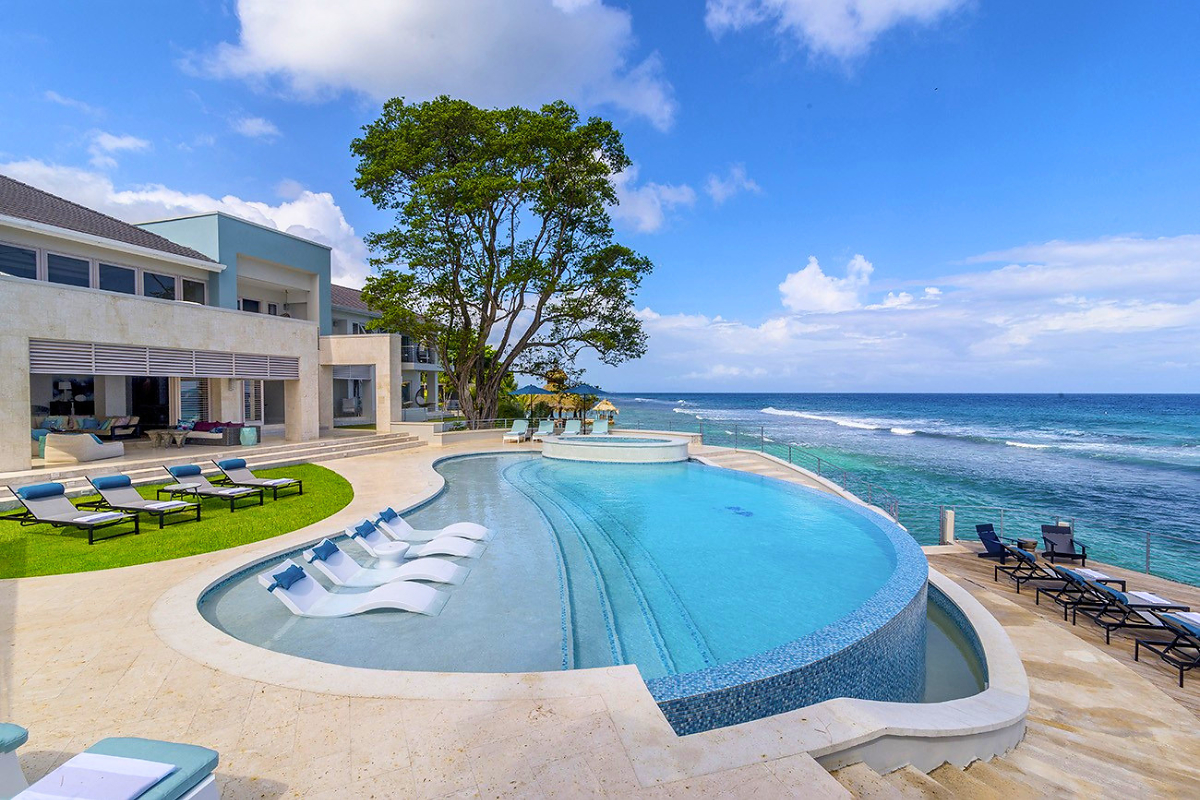
Jamaica Villas' current active portfolio spans several of the island's key leisure corridors. In Montego Bay, Windsong offers a private hillside retreat with ocean views. Buttonwood Reef in Ocho Rios sits directly on the water and accommodates families and larger groups. Runaway Bay's Breakaway Villa provides a private beachfront footprint, while Fortlands Point on the Beach in Discovery Bay occupies a peninsula setting surrounded by Caribbean waters.
The geographic spread matters for travel advisors and group-booking specialists: Jamaica's villa inventory isn't concentrated in a single resort corridor, giving operators flexibility when placing multi-generational families, incentive groups, or high-end leisure travelers seeking exclusive-use accommodations.
Implications for Hospitality Operators
The pace of Jamaica's recovery offers a useful case study for hospitality industry professionals tracking how Caribbean destinations rebuild after major weather events. The island's strategy — prioritizing room-stock restoration while simultaneously leaning on the villa sector's asset-light, community-embedded model — has kept a meaningful share of the destination's premium inventory operational throughout the recovery window.
For foodservice and culinary professionals, the staffed-villa format is also worth noting: private chefs remain a core service pillar within these properties, and demand for authentic, locally sourced Jamaican cuisine is a consistent driver of the guest experience. That dynamic connects directly to broader food and beverage trends in luxury hospitality that have elevated in-villa dining as a differentiator across the Caribbean.
Founded in 1985, Jamaica Villas operates fully staffed villas across Montego Bay, Ocho Rios, Discovery Bay, and surrounding areas.
Written by Michael Politz, Author of Guide to Restaurant Success: The Proven Process for Starting Any Restaurant Business From Scratch to Success (ISBN: 978-1-119-66896-1), Founder of Food & Beverage Magazine, the leading online magazine and resource in the industry. Designer of the Bluetooth logo and recognized in Entrepreneur Magazine's "Top 40 Under 40" for founding American Wholesale Floral, Politz is also the Co-founder of the Proof Awards and the CPG Awards and a partner in numerous consumer brands across the food and beverage sector.