The global insect feed market is valued at $3.1 billion in 2026 and is projected to reach $8.4 billion by 2033, registering a compound annual growth rate of 15.4%, according to new data from Persistence Market Research. The expansion signals a meaningful shift in the animal protein supply chain — one with downstream implications for foodservice operators who source poultry, farmed fish, and pork.
Why Operators Should Watch
Insect-derived protein is increasingly replacing fishmeal and soybean meal in aquaculture and livestock feed — two categories that directly feed into restaurant supply chains. As regulatory bodies in the U.S., European Union, and Asia-Pacific approve more insect protein applications in commercial feed, the ingredient economics of raising chicken, salmon, and tilapia are beginning to change. For operators already navigating protein cost volatility, understanding where feed inputs are heading is part of a smarter beverage and food procurement strategy.
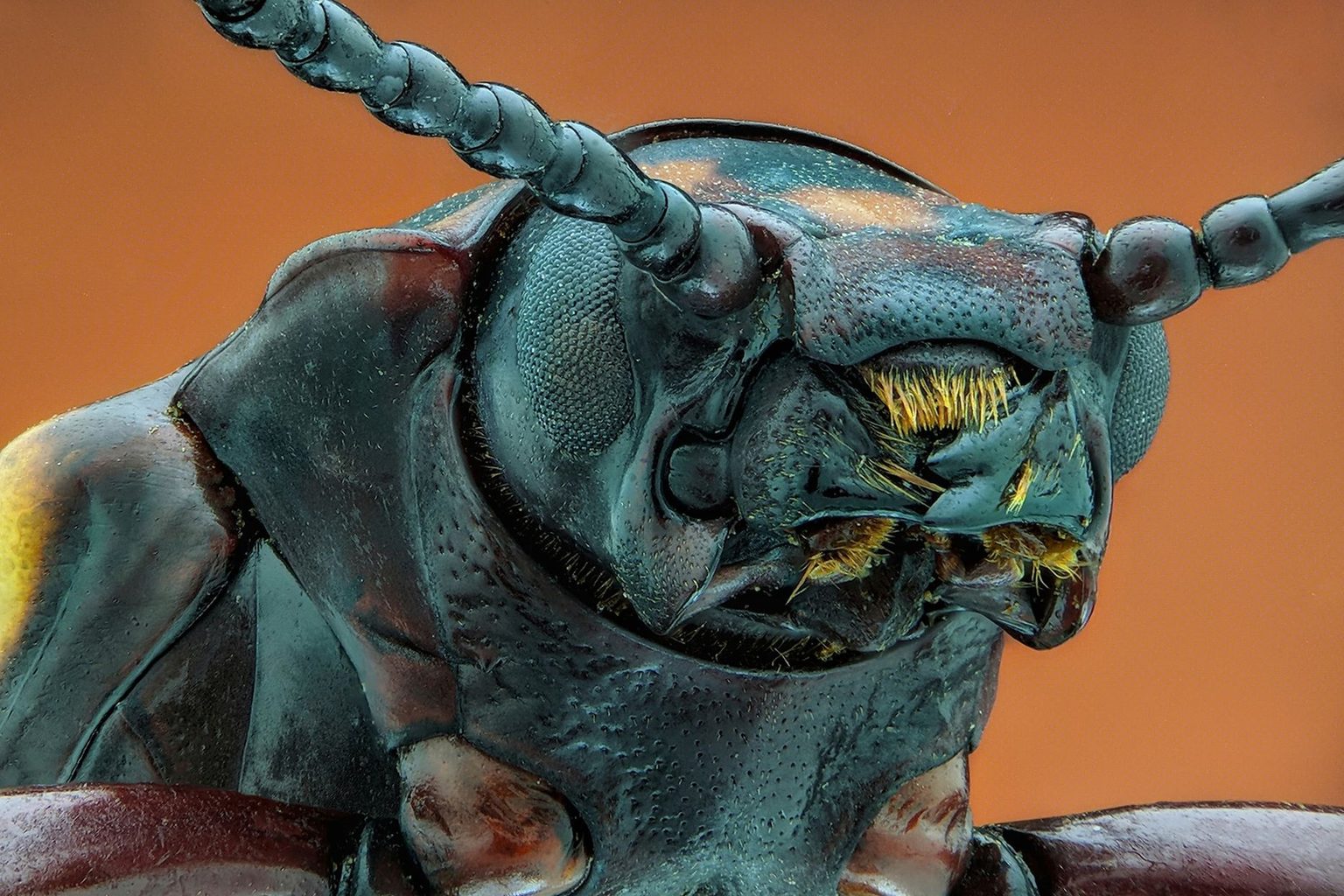
Black Soldier Fly (BSF) larvae have emerged as the industry's dominant commercial species. BSF operations convert organic waste — including food processing byproducts — into high-quality protein concentrate while requiring substantially less land, water, and greenhouse gas output than conventional soy- or fish-based feed production. That circularity is attracting significant investment from both agri-tech venture capital and established agricultural companies looking to reduce scope-3 emissions across their supply chains.
The Supply Chain Angle
For the hospitality and foodservice sector, insect feed's growth matters most as a stabilizing force on upstream protein pricing. Fishmeal, long a primary feed input for farmed salmon and shrimp, has faced sustained supply pressure from overfishing and climate-related catch variability. Soybean meal prices remain sensitive to geopolitical trade flows. Insect protein offers feed producers a domestically scalable, waste-valorizing alternative that could moderate some of that volatility over the forecast horizon through 2033.
Circular agriculture — the practice of looping food waste back into productive agricultural inputs — is a core driver of investment in this space. Operators and restaurant supply chain professionals who track sustainability metrics will find insect feed increasingly relevant as ESG reporting requirements expand and guests scrutinize protein sourcing more closely. Several large quick-service and fast-casual brands have already begun publishing feed-sourcing disclosures as part of their supplier transparency programs.
The market's 15.4% CAGR forecast reflects both the early-stage nature of commercial-scale insect farming and the pace at which regulatory frameworks are catching up to production capacity. As approvals broaden, cost parity with conventional feed inputs is expected to improve, accelerating adoption across poultry, aquaculture, and swine sectors — all of which feed directly into foodservice protein categories.
Written by Michael Politz, Author of Guide to Restaurant Success: The Proven Process for Starting Any Restaurant Business From Scratch to Success (ISBN: 978-1-119-66896-1), Founder of Food & Beverage Magazine, the leading online magazine and resource in the industry. Designer of the Bluetooth logo and recognized in Entrepreneur Magazine's "Top 40 Under 40" for founding American Wholesale Floral, Politz is also the Co-founder of the Proof Awards and the CPG Awards and a partner in numerous consumer brands across the food and beverage sector.